
Last updated November 24, 2026
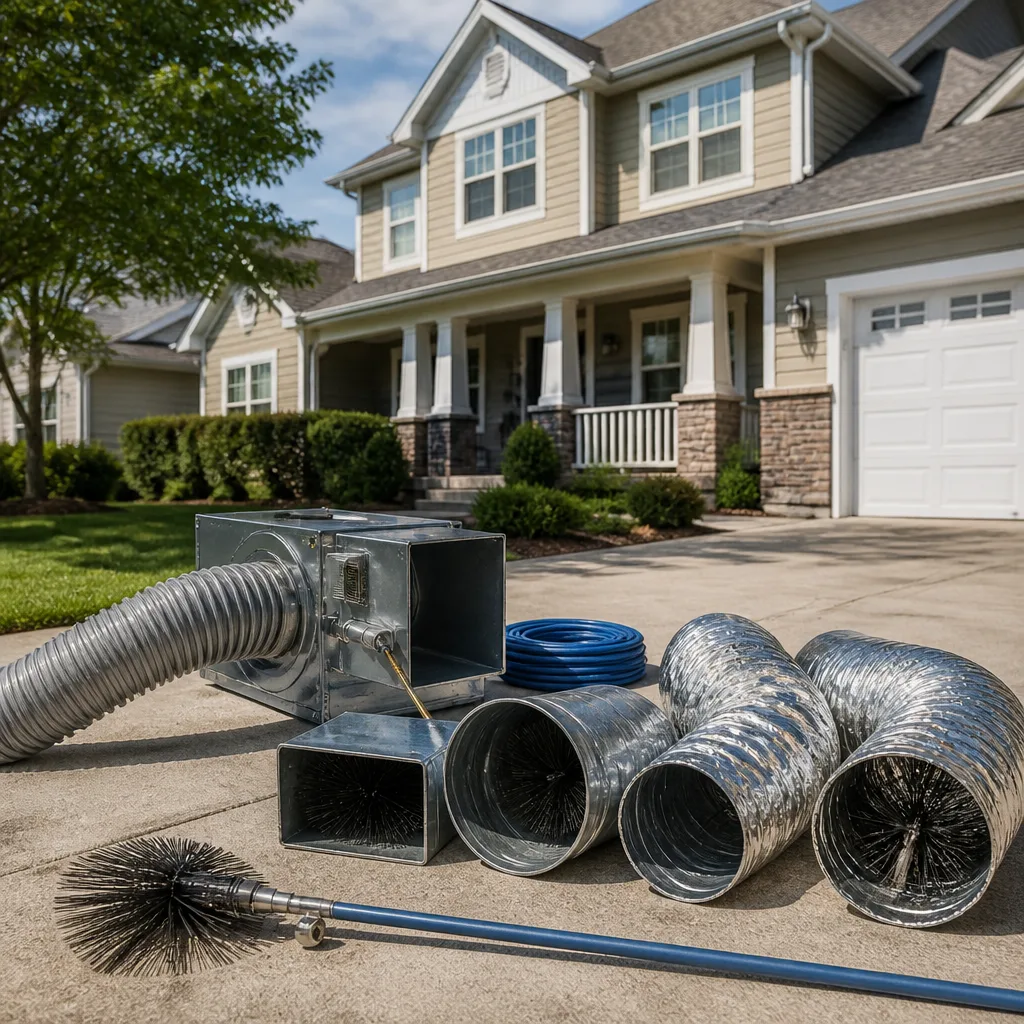 Whole-home duct cleaning
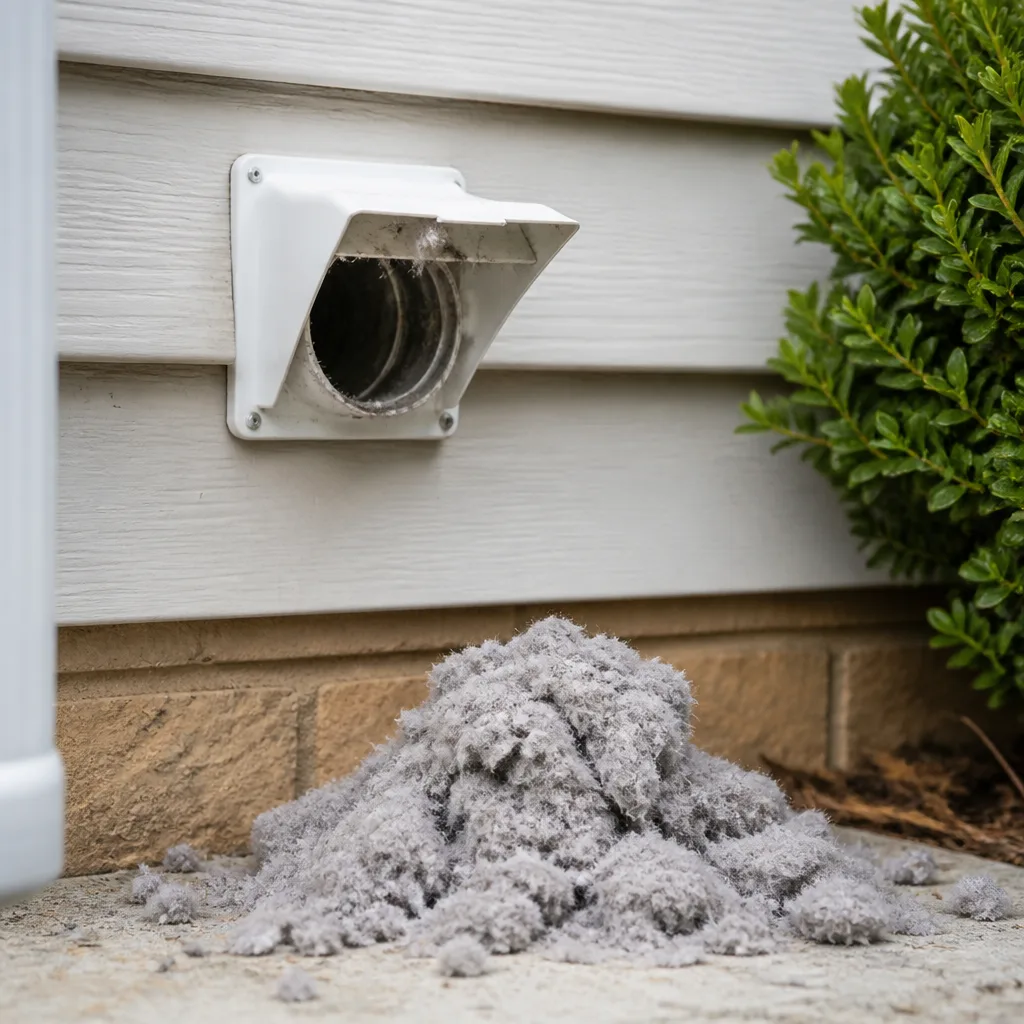 Dryer vent cleaning
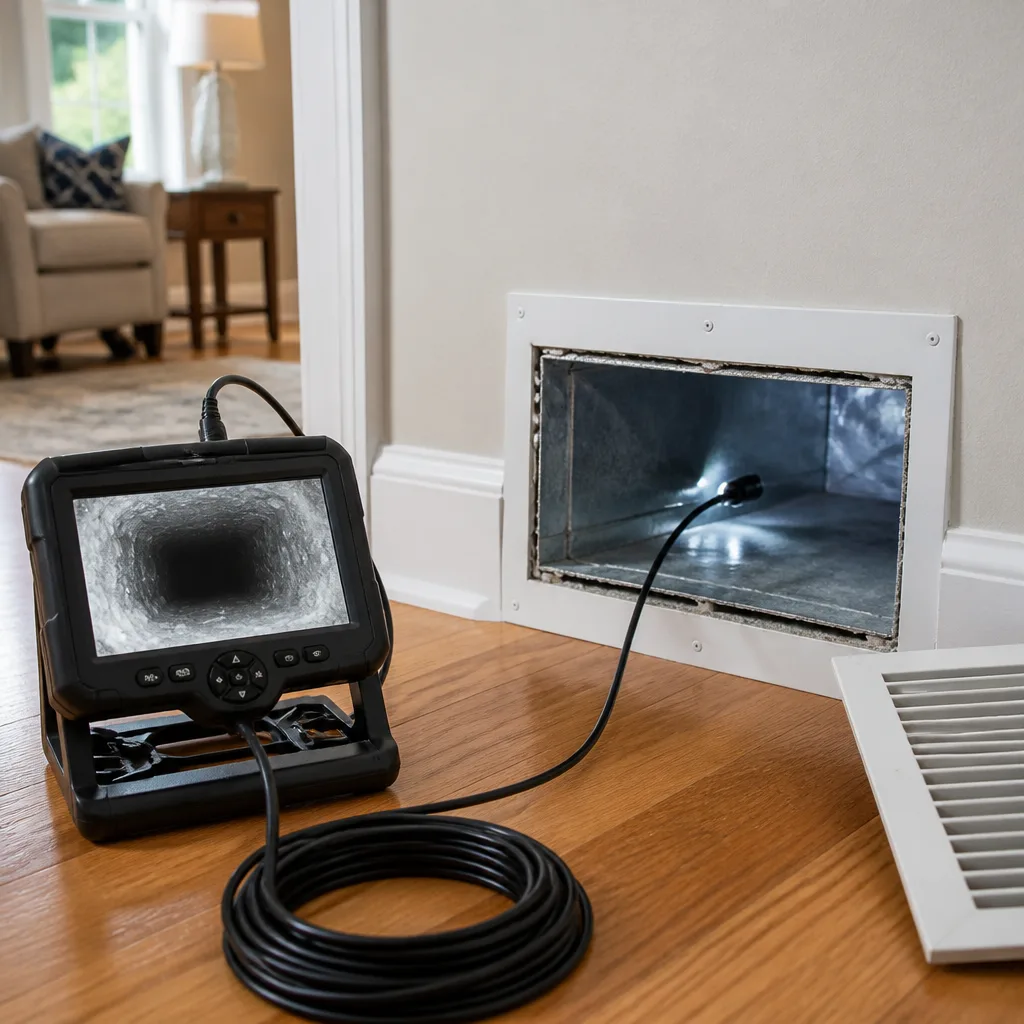 Camera inspection
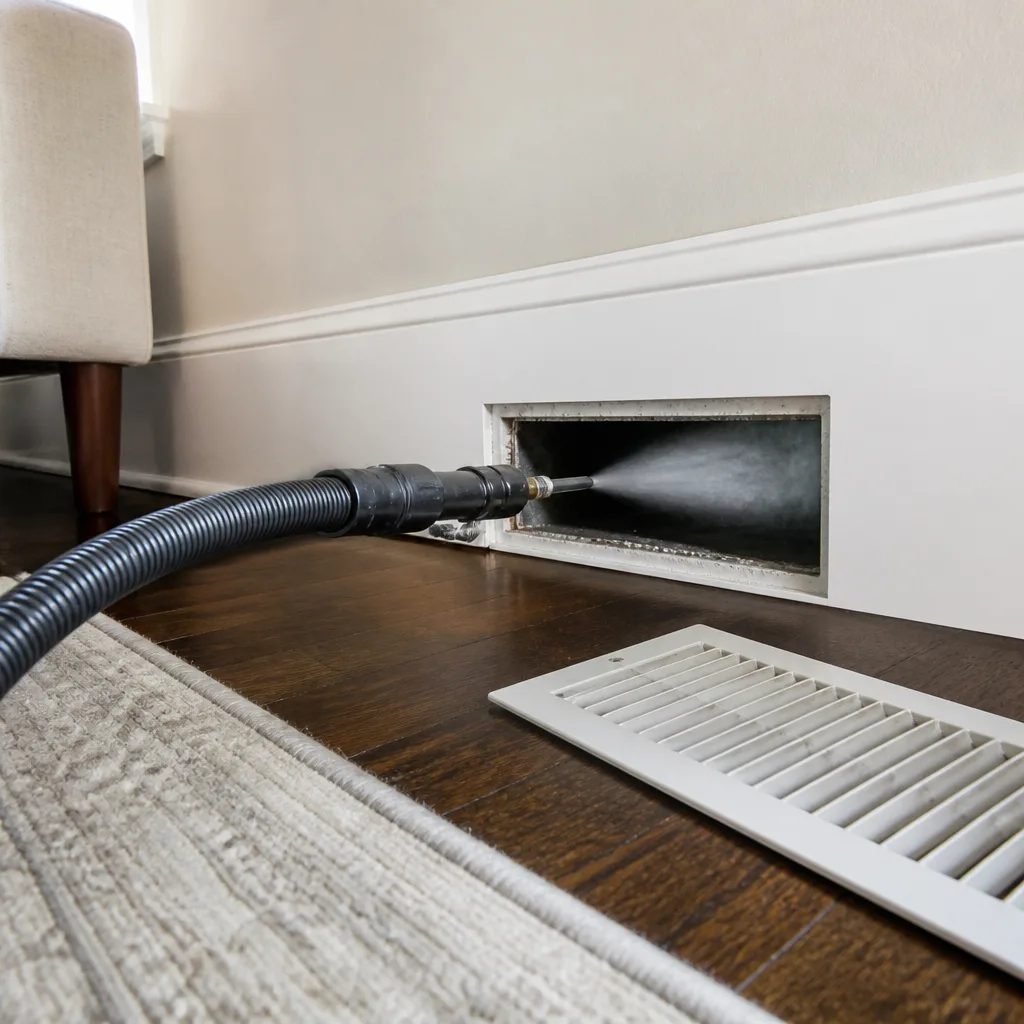 Sanitizing & deodorizing
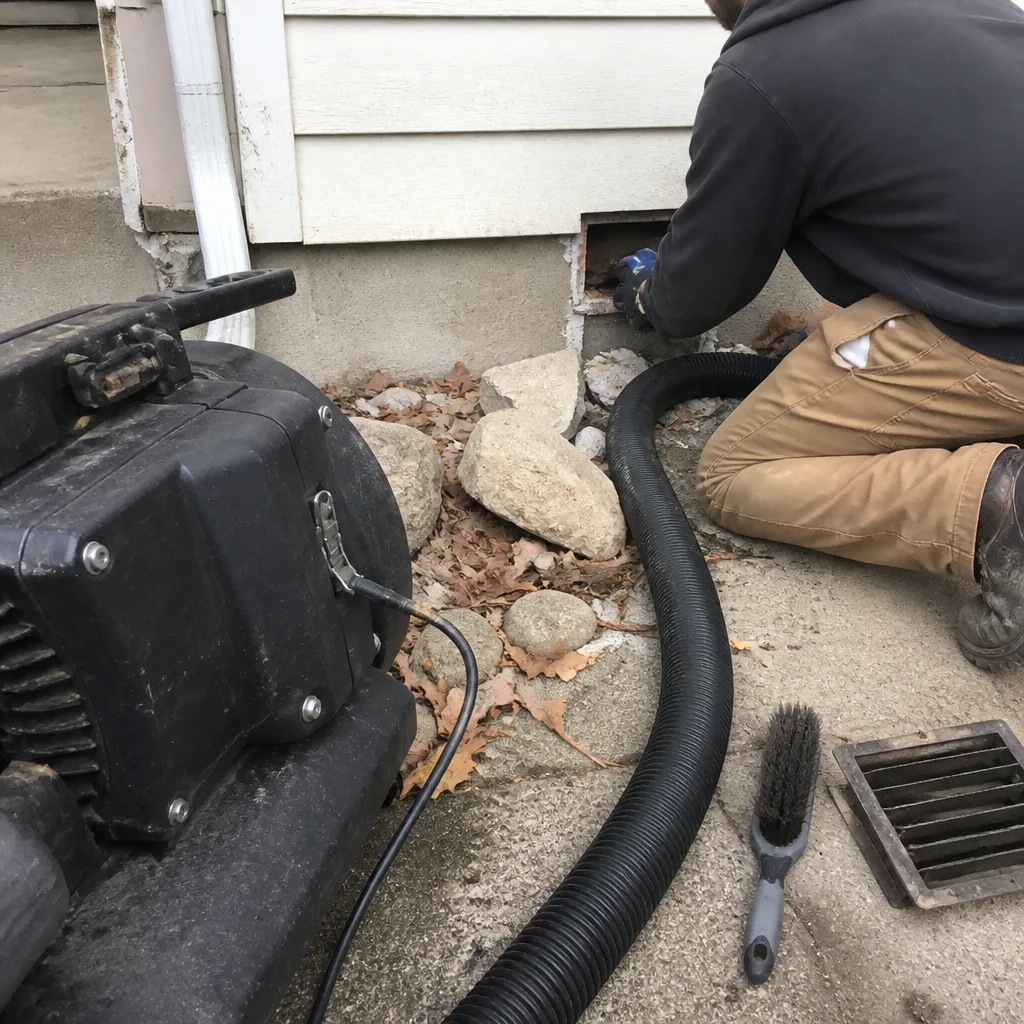
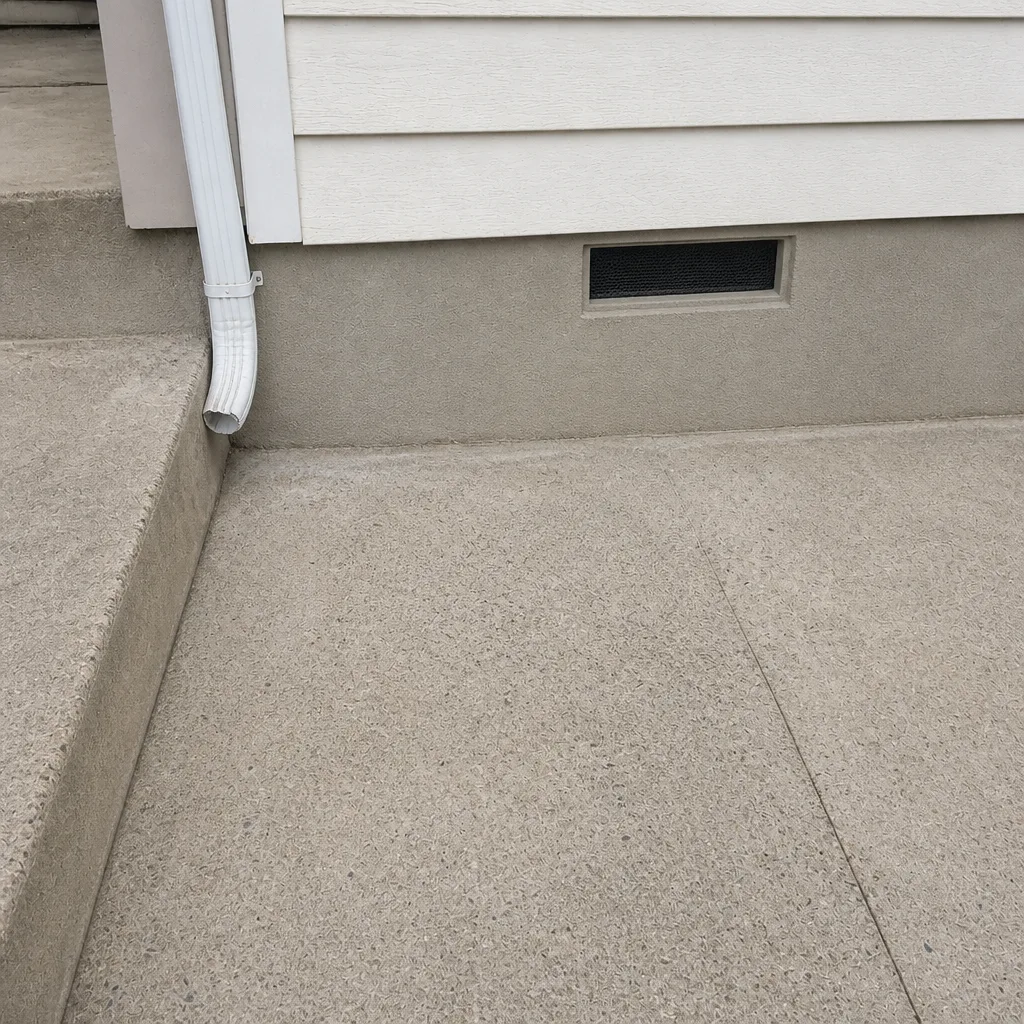
Whole-system duct and dryer vent check with before-and-after photos - you see exactly what came out of your vents
That "$99 whole-house special" is a bait ad - the real number appears once they are in your hallway, or the "clean" is a shop-vac at the register. We photograph the inside of your ducts before and after instead.
Air Duct Cleaning Warning Signs: A Murray Homeowner’s Reference Guide
Air duct cleaning warning signs in a Murray home usually show up disguised as something else. The musty smell that appears the first time you run the heat in October is a standing moisture condition somewhere in the duct system, and running the furnace without addressing it pushes that smell into every room. Uneven upstairs temperatures get blamed on an undersized furnace. A dusty film on the ceiling gets chalked up to living near the gravel pits. Most of what homeowners notice in Murray is real evidence, but it’s being read wrong. This guide teaches you to interpret what you’re actually seeing, smelling and hearing, then decide how quickly it needs attention.
Quick Answer
The warning signs that most often justify professional air duct cleaning in a Murray home are: a musty or stale odor that appears when the system starts, visible dark or fuzzy staining around supply registers, dust that returns within days of cleaning, uneven room temperatures that persist after filter changes, and a dryer that takes much longer to dry a load. Any one of these is worth a professional inspection; two or more together point to a system-level problem rather than a surface-dirt issue.
Styles & brands we work with
- Whole-home duct cleaning
- Dryer vent cleaning
- Camera inspection
- Sanitizing & deodorizing
Table of Contents
- The Symptom-to-Cause Matrix: What You’re Actually Observing
- Register Staining: Telling Dirt Buildup from Biological Growth
- Why Uneven Room Temperatures Point to Duct Sealing, Not Equipment Sizing
- After a Renovation: Drywall Dust, Adhesives and Disturbed Insulation
- How Murray’s High Desert and Winter Inversions Change What You Smell
- The Dryer Vent Signs Homeowners Overlook
- A Triage Framework: Same-Week Service vs. Scheduled Visit
- Filter Signals and What They Reveal About the Whole System
The Symptom-to-Cause Matrix: What You’re Actually Observing
Start here. Everything else in this guide is a closer look at one row of this table.
Odor that appears only when the system runs. A musty smell that shows up when the furnace kicks on, and fades when it stops, points to something in the duct system itself – standing moisture, biological growth, or debris that has been sitting against a wet surface. A smell that’s present even with the system off usually has a source outside the ducts: a wet crawlspace, a leak under a sink, or stored items in a closet. Note which one you have, because it changes the diagnosis entirely.
Odor that smells like dryer sheets or chemicals. Off-gassing from new building materials, adhesives or furniture. Usually resolves on its own over several weeks. If it persists, the duct system may be trapping the compounds instead of exhausting or diluting them.
Dust on horizontal surfaces that returns within a few days. Leaky return ducts pulling air from a crawlspace, attic, or wall cavity. You’re not seeing dust you generated; you’re seeing dust the system is drawing in from an unintended source.
Uneven temperatures from room to room. A pressure or duct sealing problem in most cases, not a furnace problem. More on this below.
Ticking, whistle, or whoosh at certain registers. A restriction, a loose damper, or a leak. Whistling generally means air is escaping somewhere; whooshing is often a register that’s too large for the branch feeding it; ticking is often a damper or debris caught in the duct.
Visible staining around the register or on the ceiling below a duct. Could be dust tracked by settled air (dark, dry, and uniform), could be moisture (yellowish ring, warped drywall), could be biological growth (fuzzy or speckled and often in a damp location). Each looks different and needs to be treated differently.
Taking a phone photo of each sign in the days before you call makes the diagnosis faster. A technician can read a photo of a nuisance dust pattern or a moisture stain the way a mechanic reads a dashboard light. That’s not overselling; it’s genuinely how the conversation goes. Murray homes tend to run high on the “dust returns quickly” signal because winter inversions trap fine particulates in the valley, which load up the filtration side of the system faster than homeowners expect. If you want to compare what we do against what you’re reading, the full Murray Air Duct Cleaning Co service overview covers the whole system approach.
Register Staining: Telling Dirt Buildup from Biological Growth
The color, texture and location of register staining tells you what kind of problem you have. Three common patterns:
- Dark, dry, and evenly distributed soot-like film. This is ordinary dirt buildup – dust, lint and fine clay-dust particulates that have deposited on the vanes of the register. It’s usually worse on returns than supplies because returns carry more volume. Not urgent, but it’s a reliable indicator that a full system cleaning is worth scheduling.
- Yellowish or brownish ring, drywall staining or paint bubbling around the register. Moisture. The duct system or the register boot is wet, which means condensation or a leak above. Address this reasonably soon, because moisture plus dust is the recipe for the third pattern.
- Fuzzy, speckled, or powdery growth in irregular patches, often concentrated near the register boot or in a bathroom or near the kitchen. Biological growth. This is what grows when moisture has been present long enough (weeks to months) for spores to colonize a surface. It’s not a job for a shop vac. air duct cleaning at a professional level, followed by sanitizing with equipment like Abatement Technologies air scrubbers – the same standard applied in abatement work – addresses both the contamination and its residue. If the growth is extensive, or if you can see it from inside a supply register with a flashlight, get it looked at this week.
Murray’s high-desert climate works in your favor here. The interior air is dry most of the year, which stunts biological growth. But two things break that pattern: a bathroom exhaust duct that terminates in the attic instead of venting outside (common in older Murray homes), which pushes moist air straight past the insulation; and a swamp cooler feeding moisture into the return in summer, which wets the return-side ducts in a way a standard air conditioner never does. If you cool the house with a swamp cooler and heat it with forced air, the same ducts see a wet season and a dry season, and the wet season is when growth starts.
Why Uneven Room Temperatures Point to Duct Sealing, Not Equipment Sizing
A room that’s 5 degrees cooler than the rest of the house, consistently, is almost never an undersized furnace. In most Murray homes – especially ranches and split-levels built from the 1950s through the 1980s – it’s a duct distribution problem. Here’s the reasoning.
Furnaces and air conditioners are usually sized generously for the homes they serve. When two rooms on the same system behave differently, the equipment is doing its job; the ducts between the furnace and the room are losing air on the way. The three most common causes:
- Leaky supply ducts in unconditioned space. A duct running through an attic loses heat to the attic in winter and gains it back in summer. The room at the end of that run gets a diminished version of what the furnace produced.
- Disconnected or crushed flex duct. Flex duct that has shifted, kinked or come off a collar behind a drywall ceiling or in a crawlspace sends air into the cavity instead of the room.
- Damper or balance issue. A branch damper left half-closed, or a system that was never balanced after an addition or a remodel.
Fixing this is a duct repair and sealing job, not a furnace replacement. In our experience, homeowners arrive at the uneven-temperature complaint through an HVAC sales call and leave with a quote for a new system. Before you buy equipment, have the ducts checked for leaks and disconnections. Sealing costs a fraction of replacing a furnace that wasn’t the problem. This is exactly the difference between cleaning and diagnosing – a duct system that gets cleaned but not sealed will usually return to its old behavior within a year, because the underlying leak is still pulling dirty air into the same space.
After a Renovation: Drywall Dust, Adhesives and Disturbed Insulation
Air quality almost always gets worse right after a renovation, and the duct system is the reason. Two things happen that homeowners rarely anticipate.
Drywall and sanding dust get pulled into the return. Sanding drywall creates a very fine, very mobile particulate. The return grille in the hallway pulls it straight into the system, and once it’s on the inside of the ducts, it settles on horizontal runs and behind grilles where a vacuum won’t reach it. A cleaning after a renovation is worth scheduling even if the home wasn’t past due, especially if the renovation included ceilings or floors.
Adhesives and finishes off-gas into circulation. New flooring, cabinets, paint and sealants release volatile compounds for weeks. A clean duct system carries them out through the air handler; a dirty one – especially one with a moist or biologically active surface – can trap and re-release them. If you notice a chemical smell that lingers weeks after the work is done, that’s the system, not the house.
Disturbed insulation. Loose-fill insulation in the attic, or fiberglass batts around duct runs, gets stirred up during construction and settles into open duct joints. You’ll see it as coarse fibrous dust on register faces or upstream in the return. That’s not a health problem per se, but it’s a sign that the ducts need both a cleaning and a joint-by-joint inspection, because if insulation can get in, so can attic air.
The right step after a renovation: wait until the final dust-generating work is done, then have the system cleaned. Cleaning before the last sanding is wasted money. Cleaning weeks after finish work means dust has settled and circulated. The week after final sanding, before furniture goes back in, is the window.
How Murray’s High Desert and Winter Inversions Change What You Smell
Murray sits at the foot of the Wasatch Range in a high-desert valley, and both of those facts show up in your duct system.
Winter inversions trap particulates. For several weeks each winter, a warm air layer sits above the valley floor and locks cold air, fine dust and vehicle exhaust near the ground. During a multi-day inversion, the air outside your home is dirtier than the air inside it. Your filtration system works harder, and the load of fine particulate that ends up in the duct system builds faster. If you change the filter and it’s grey within three weeks, that’s the inversion. A cleaning scheduled in early spring – after inversion season, before the cooling season – is often the most efficient use of the money.
The dry climate preserves dirt but changes how you notice it. Because the air is dry, dust doesn’t cling to surfaces the way it does in humid climates; it stays airborne longer, which is why Murray homeowners often report “dust on everything” rather than “dirty registers.” If your answer to “where’s the dust coming from” is “everywhere,” look at the return path first.
The cold snap pattern stresses the sealing. A hard freeze after a mild week, several times each winter, expands and contracts duct joints in unconditioned space. A duct run that was sealed five years ago and looked fine in October can open a small seam by January. If you notice a cold room that wasn’t cold last year, that’s the mechanism. It’s a five-minute inspection with a flashlight in the attic or crawlspace and a duct-sealing fix, not a new furnace.
None of these are reason to panic. They are reasons to know what you’re seeing when something changes, so the fix matches the cause. That’s the whole point of this guide. The HVAC cleaning side of the work handles the air handler and evaporator coil, which is where a lot of the moisture and dust from these climate patterns ends up.
The Dryer Vent Signs Homeowners Overlook
The dryer vent is the one warning sign in this guide where the stakes are highest. A clogged dryer vent is a documented residential fire hazard, and the signs are easy to learn.
- A load that used to dry in one cycle now takes two or three. That’s reduced airflow, and it’s the most reliable early indicator.
- The exterior flap doesn’t open fully when the dryer is running. Take a look outside while a load is going. If the flap barely lifts, the line is restricted.
- The top of the dryer or the wall behind it is warm to the touch. Heat that should be leaving the house is staying in the appliance and the wall cavity.
- Lint visible around the outside vent, or lint collecting behind the dryer. Lint is escaping before it should be. A small amount at the exterior vent hood is normal; a mat of lint is not.
- A smell of warm lint or a faint burning odor when the dryer runs. This is a same-week call, not a same-month call.
The mechanics are simple. Lint passes through the lint trap but some continues down the vent line. It clings to the interior wall of the duct, and each load adds another layer. In a long or flex-duct vent run, the buildup can reduce the diameter of the passage by half within a few years. The dryer has to work harder to move air, which means more heat stored in the duct wall itself. That’s the fire scenario, and it’s why dryer vent cleaning isn’t an add-on service – it’s the part of the work that has a safety credential behind it.
What a professional cleaning does: the vent line is cleaned end to end with a rotating brush on a flexible rod, and the exterior hood and flap are checked. If the vent is a long, poorly routed run, the technician will tell you that a re-route would help more than a cleaning. That’s a diagnosis, not an upsell.
A Triage Framework: Same-Week Service vs. Scheduled Visit
Not every warning sign is a same-week call. Needing to act is different from needing to act today, and misjudging the urgency is how homeowners get talked into things they don’t need or delay things they shouldn’t. A simple framework:
Same-week service (call today and book):
- Any burning or hot-lint smell associated with the dryer, or a dryer taking more than twice as long as it used to.
- Visible fuzzy or speckled growth in or around a register, especially in a bathroom or a swamp-cooler-served return.
- Yellowish or brownish staining around a register with paint bubbling or drywall warping – active moisture.
- A return that is clearly pulling air from an attic, crawlspace or garage rather than the living space. Air quality in the home becomes the crawlspace’s problem.
- Any suspicion of a disconnected supply or return duct behind a wall or in an unconditioned space – hot or cold air in unexpected places, or a room whose temperature has changed abruptly.
Scheduled visit (book when it fits the calendar, this month or next):
- Dust that returns within a few days of cleaning and no other symptom.
- Uneven room temperatures without an obvious structural change to the house.
- Dark, dry register staining with no moisture or growth.
- A general “the house feels dustier than it used to” perception, especially after renovation or during inversion season.
- An annual or two-year maintenance cleaning for a home that has had one before and no other issues.
The test between the two columns is moisture and combustion. If moisture is feeding growth, act this week. If combustion is the story (dryer, furnace), act this week. If it’s dry dust and distribution, schedule it. That framework catches almost every real case in a Murray home correctly.
Filter Signals and What They Reveal About the Whole System
Filters are the single best diagnostic window into the duct system. What the filter looks like when you pull it says a lot about what’s upstream and downstream.
A filter that’s collapsed or buckled in the middle. High static pressure – the system is pulling harder than the filter can pass. That usually means the returns are undersized for the blower, or the filter is the wrong MERV rating. Both are fixable. This matters because a lot of high-efficiency filter installs on older systems do more harm than good; a filter the blower can’t move air through forces the system to pull it from somewhere less desirable.
A filter that’s grey but uniformly dirty instead of caked on one side. Normal load. Good.
A filter that’s dirty on one half and clean on the other. The return duct feeding that side is leaking or blocked. Half the return path is doing all the work.
A filter that comes out with hair, pet fur and large debris on the face. There’s a gap in the return path or a missing grille. Something is getting in before the filter, which means it’s also getting into the ducts.
Working with Honeywell and Aprilaire filtration products means the technician can look at your filter setup and your duct static pressure and match the two – not just swap the filter. That’s the difference between treating the filter as a consumable and treating it as a signal. A knowledgeable homeowner can do the same thing: check the filter monthly, note the pattern, and take a photo before discarding. If the pattern changes, that’s the point to call.
Common Mistakes to Avoid
- Assuming the furnace is undersized because one room is cold. In most Murray homes the equipment is fine and the ducting is losing air; replacing the furnace first before checking duct sealing is a common way to spend several thousand on something that didn’t need to be spent.
- Cleaning the ducts before a renovation is finished. The last sanding job pulls dust into the system within hours. Clean after the final dust, not before.
- Treating a musty smell with an air freshener. The smell is the signal. Covering it hides the diagnostic and lets the underlying moisture condition – the actual problem – continue. That’s how a small moisture issue becomes a biological growth problem.
- Skipping the dryer vent because the dryer still dries. A dryer still dries long after the vent is dangerous. The fire hazard builds gradually and shows up as a slow increase in dry time, which homeowners adapt to without noticing.
- Buying the highest-MERV filter available. A restrictive filter on an older system can starve the air handler and cause more problems than it solves. The right filter for your system isn’t the same as the most expensive one.
- Trusting a duct cleaning estimate that quotes a per-vent price. A quoted per-vent number isn’t a system price; it’s a starting point for the number to grow once the technician is on site. Ask for one flat price for the whole system, written down, before work starts.
- Forgetting the return ducts when you think about cleaning. Returns carry as much or more dust than supplies and they’re often obscured behind a grille in a hallway or closet. A cleaning that touches only the supplies is half a cleaning.
See the difference
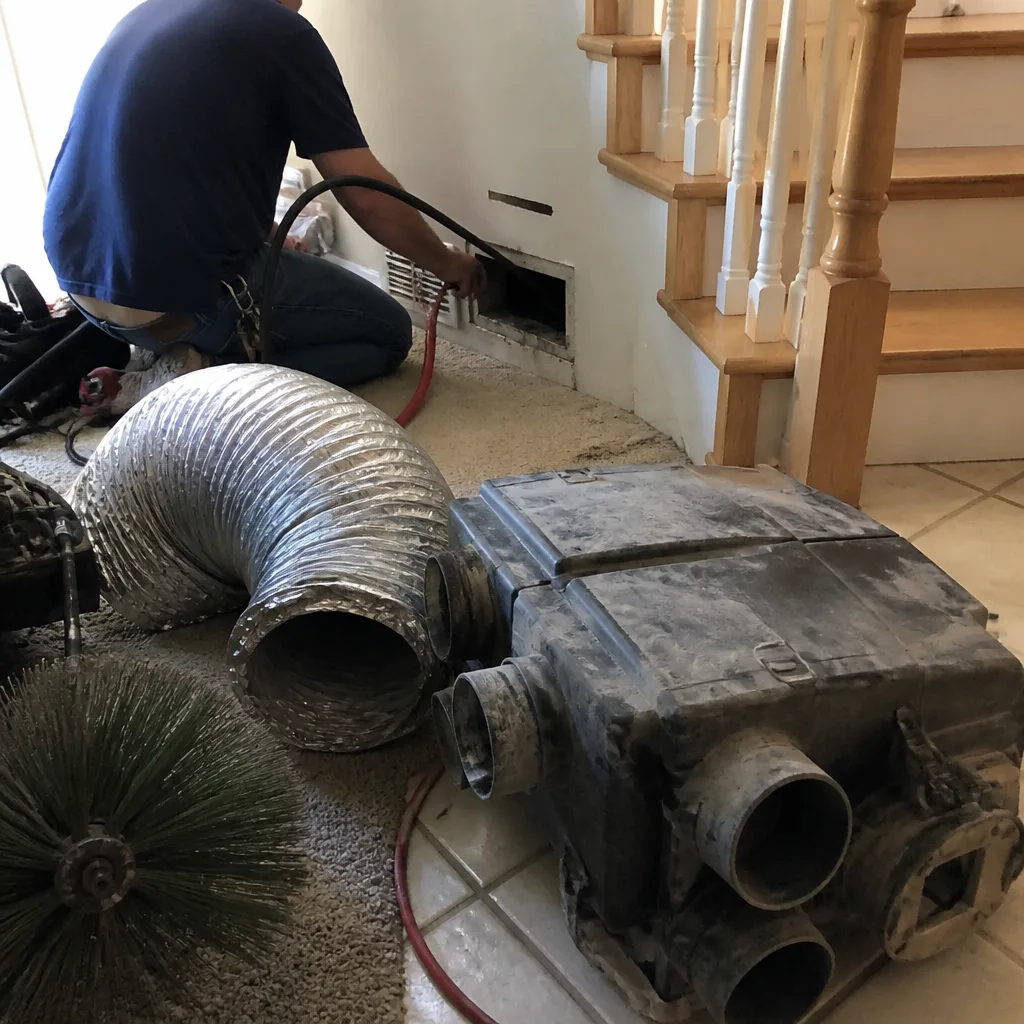 Before
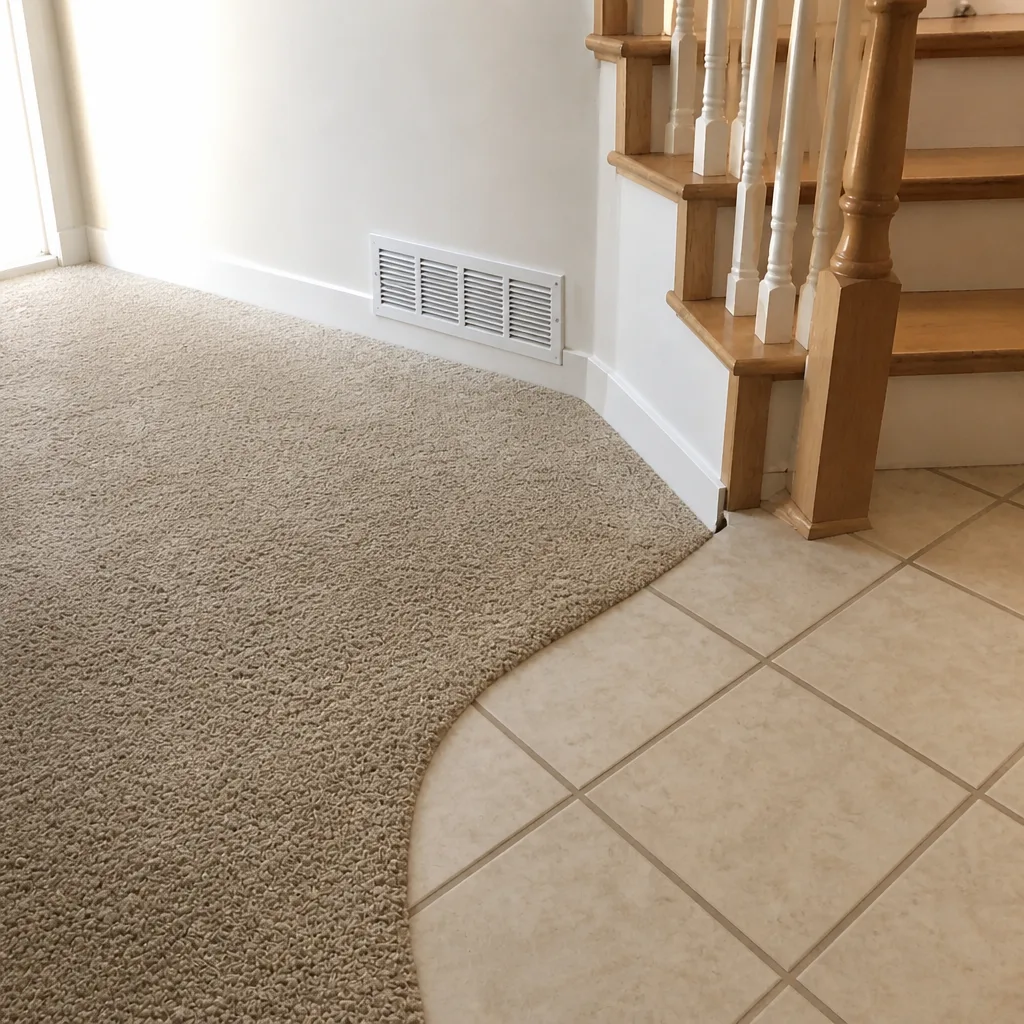 After
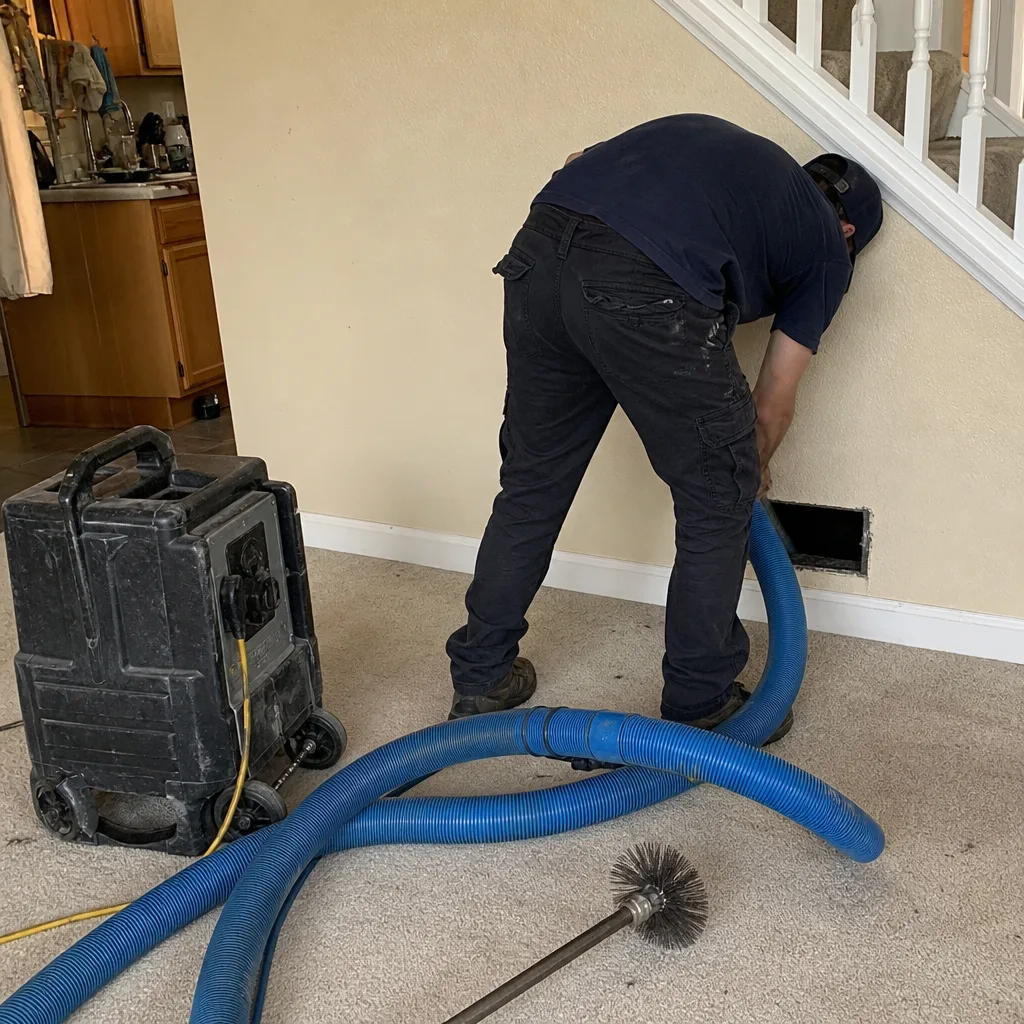 Before
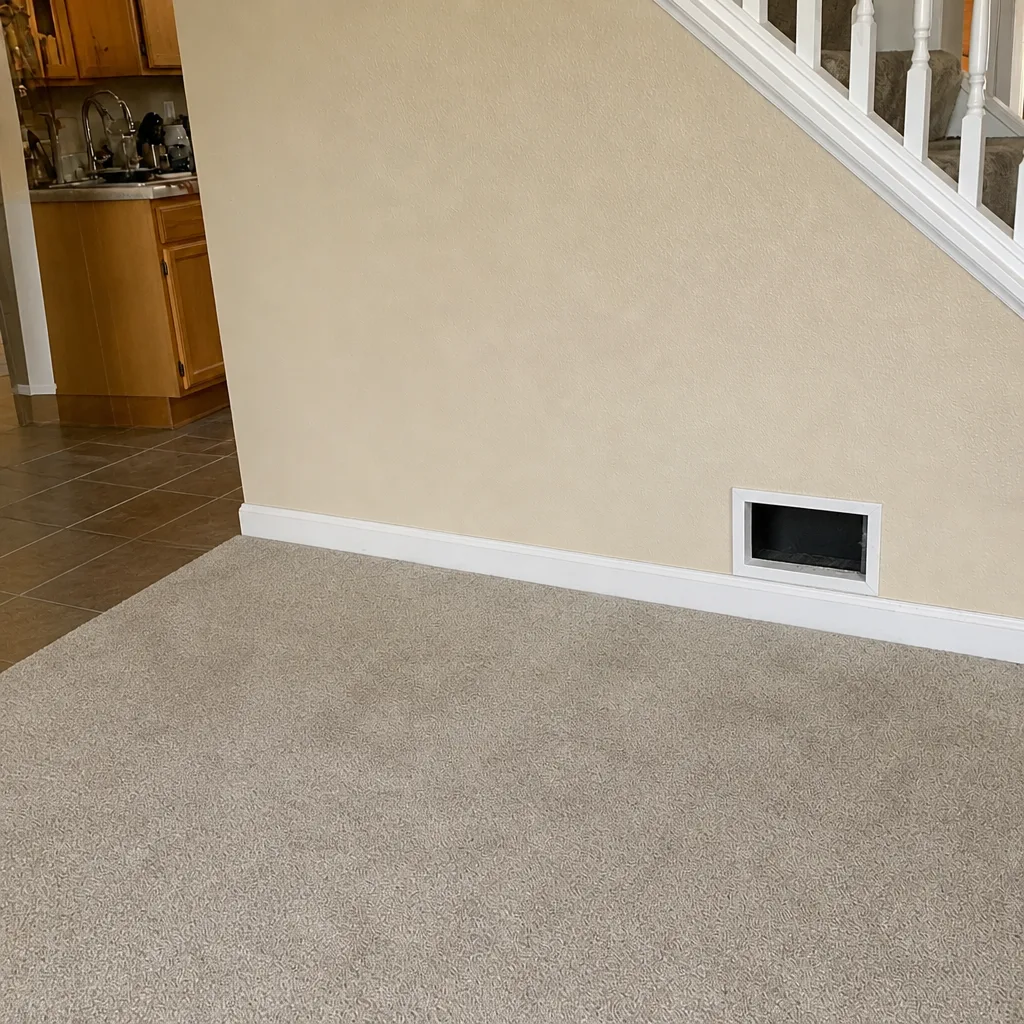 After
 Before
 After
When to Call a Professional
Call when you have two or more of the warning signs in this guide, when moisture or visible growth is anywhere in the duct system, when the dryer is showing any of the airflow or heat signs, or when a room’s temperature has changed without an obvious cause. Call before you replace a furnace, an air conditioner, or a filter system – a duct inspection is cheap compared to the wrong equipment. Call after any renovation that involved sanding, drywall, or insulation work. Call for an annual or two-year cleaning if you have pets, if you cool with a swamp cooler, or if the house is older and has flex duct running through an attic. All of those are routine, and none of them require panic. Murray Air Duct Cleaning Co offers free estimates in Murray. Call (833) 984-2965. We answer 24/7. Fast dispatch from 7am to 7pm, Sunday through Friday.
Frequently Asked Questions
The most common are musty odor when the system starts, dust that returns within days of cleaning, uneven room temperatures, dark staining around registers, and longer dryer cycles. Two or more together usually means a system-level condition rather than surface dust. Call (833) 984-2965 for a free estimate and we’ll tell you what the signs point to.
Whole-system air duct cleaning in Murray typically runs in the range of a written estimate based on the number of registers, the accessibility of the ducts, and whether sealing or sanitizing is needed. The cost isn’t a per-vent number; it’s one flat price for the whole system, agreed before work starts. Call (833) 984-2965 for an exact quote – estimates are free.
Cheaper quotes are usually priced per vent, exclude the return ducts or the air handler, and rely on consumer-grade equipment that scrapes the surface of the duct instead of cleaning it. The low number gets replaced once the technician is on site and “recommends” the additional work. Ask every contractor for one flat price per system and before-and-after photos of your own ducts. Call (833) 984-2965 for a written estimate that doesn’t change.
Before-and-after photos of your own ducts, taken at the same locations, are the clearest proof. A technician using professional-grade equipment like a Rotobrush or Nikro system can photograph the interior of the return and supply before and after cleaning and show you the difference. Ask for that on any estimate. Call (833) 984-2965 to schedule with us – we bring the photos back to you.
Every two to three years for most Murray homes, sooner with pets, after renovation, or if you cool with a swamp cooler that feeds the return. Homes with heavy dust load and a visible dryer-vent issue benefit from an annual check of the vent line even if the ducts themselves can wait. Call (833) 984-2965 for an honest recommendation on timing.
A duct system that’s carrying biological growth, renovation dust, or attic particulate is a plausible contributor to allergy symptoms – particularly the morning pattern of congestion when the system first runs. The right next step is a diagnostic inspection, not an immediate cleaning. Call (833) 984-2965 and we’ll tell you what the signs point to before anything is scheduled.
It means there’s a moisture condition somewhere in the duct system that’s being activated by the airflow and heat. It’s not a furnace issue and air fresheners won’t fix it. Cleaning plus sanitizing – with equipment like Abatement Technologies air scrubbers – addresses growth that’s established; a duct repair seals the moisture source. Call (833) 984-2965 to have it identified this week.
The Bottom Line
Warning signs in a duct system are usually accurate. They’re just misread – a musty odor read as a furnace issue, uneven temperatures read as an equipment sizing problem, a dryer that takes two cycles read as an aging appliance. This guide gives you the interpretation so you can decide, accurately, what needs attention and how quickly. The two columns that matter: moisture, growth and combustion belong to the same-week list; dry dust and distribution belong to the scheduled one. Call before you replace equipment. Call after a renovation. Call for the dryer vent even if the dryer still dries. Our technicians have up to 13 years of experience reading these signs in Murray homes, and the equipment list is strong: Rotobrush and Nikro cleaning systems, Honeywell and Aprilaire filtration, Abatement Technologies sanitizing. If something feels ambiguous, that’s what a free estimate is for. Call (833) 984-2965. We answer 24/7. Fast dispatch from 7am to 7pm, Sunday through Friday.
Written by the team at Murray Air Duct Cleaning Co.