
Last updated November 24, 2026
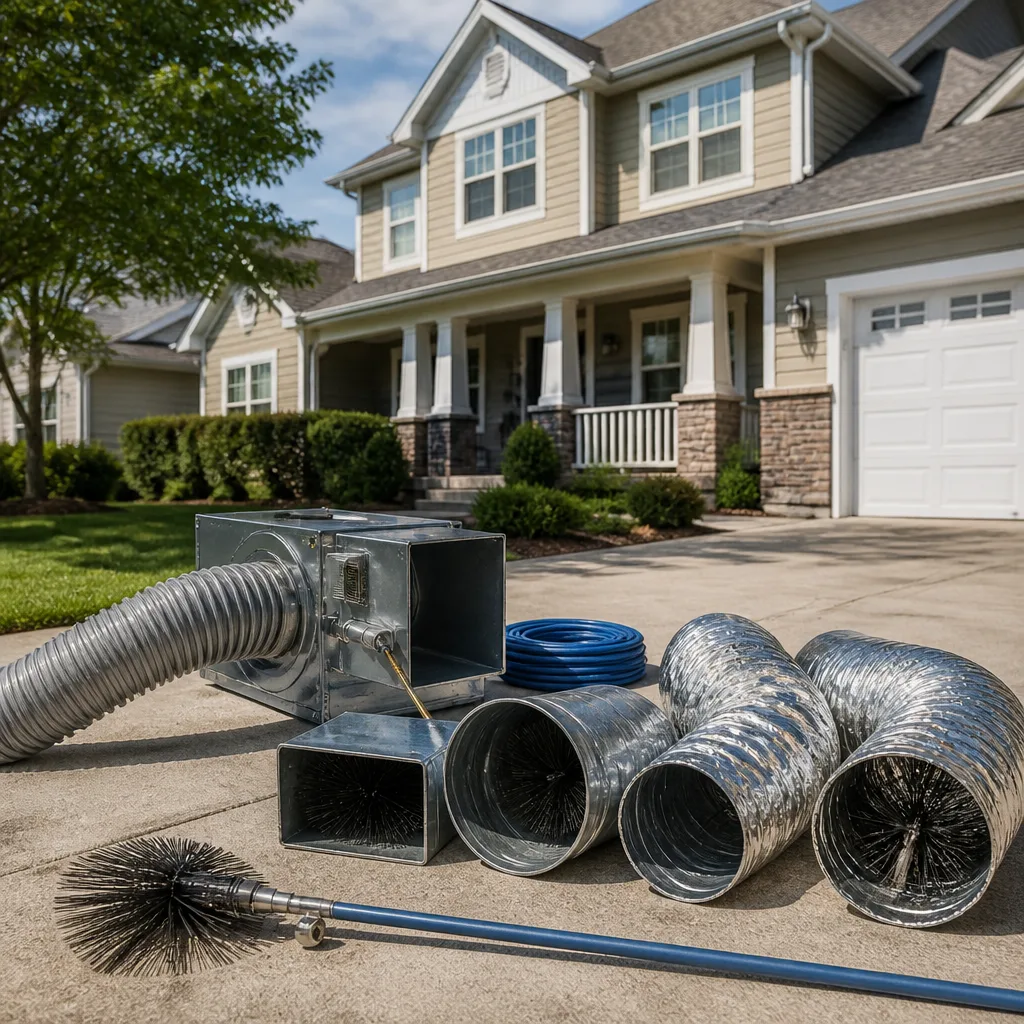 Whole-home duct cleaning
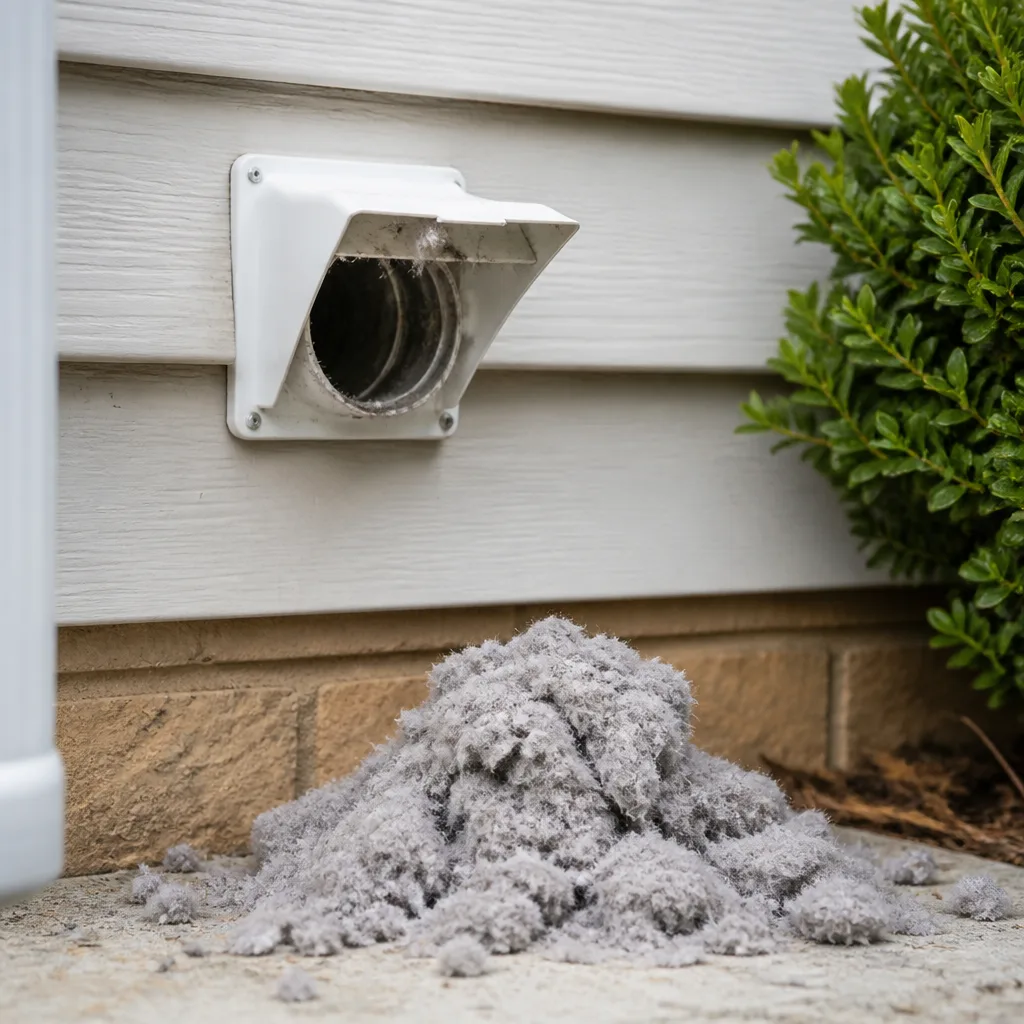 Dryer vent cleaning
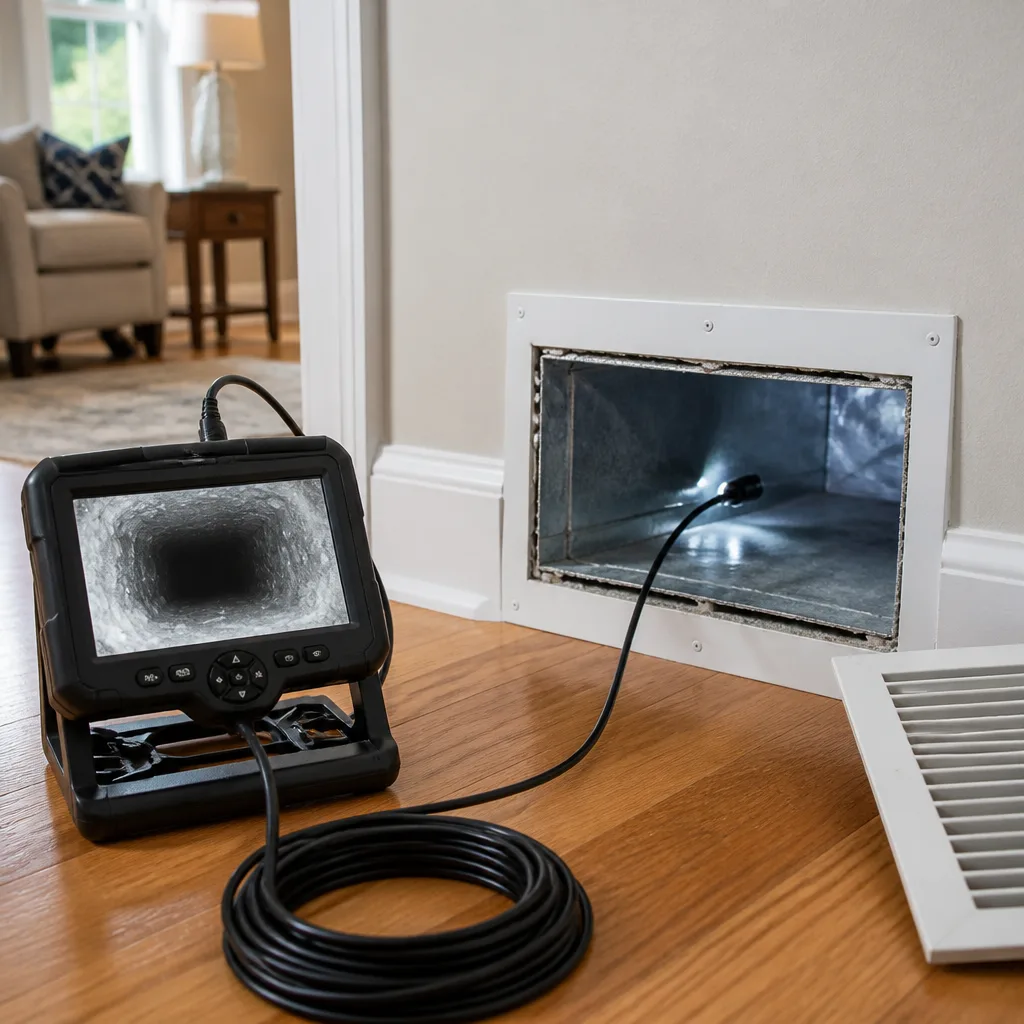 Camera inspection
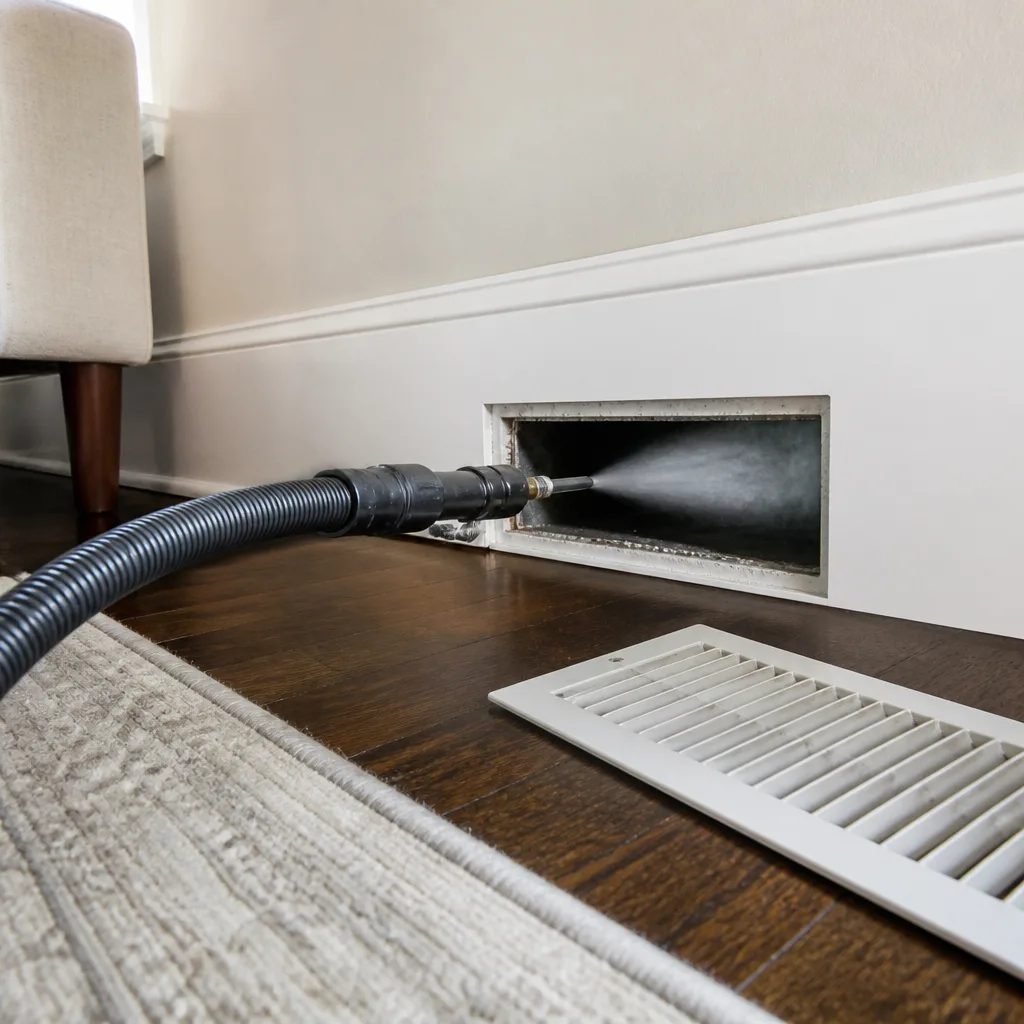 Sanitizing & deodorizing
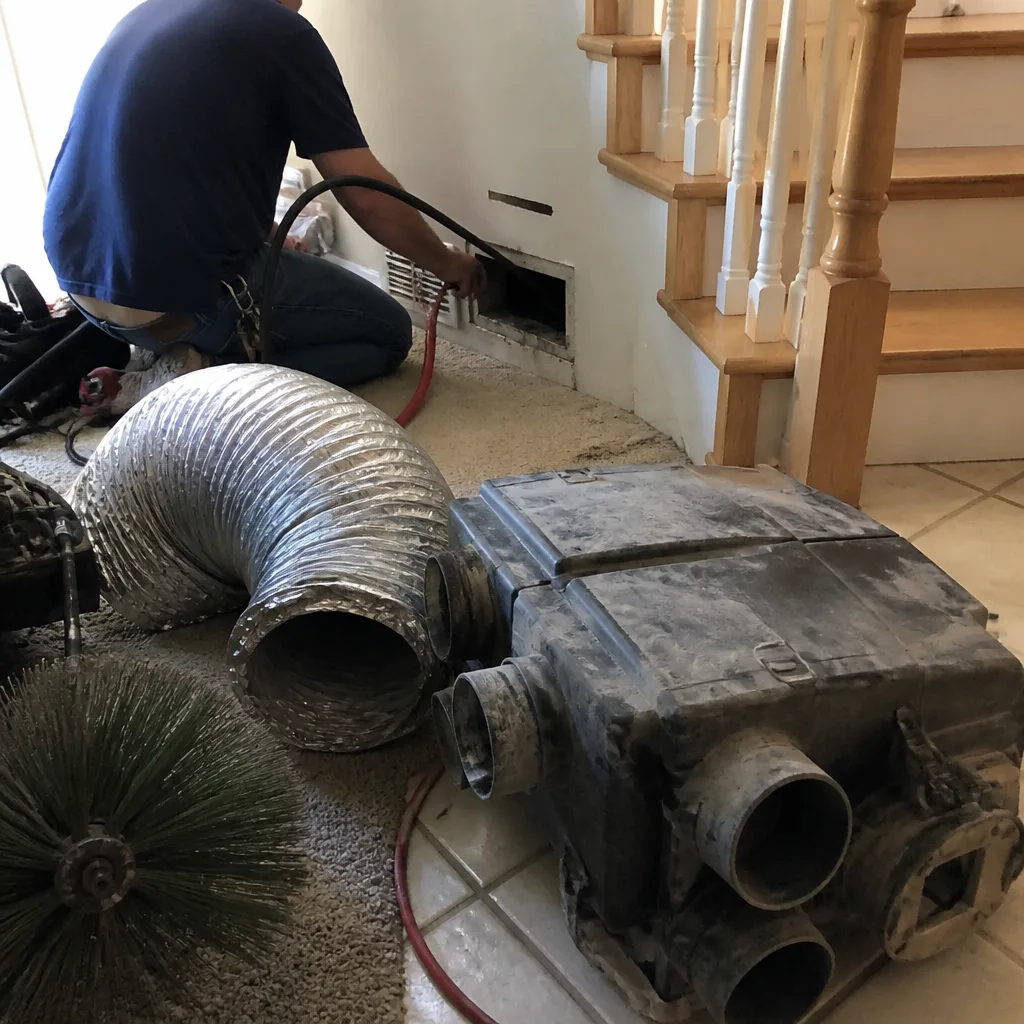
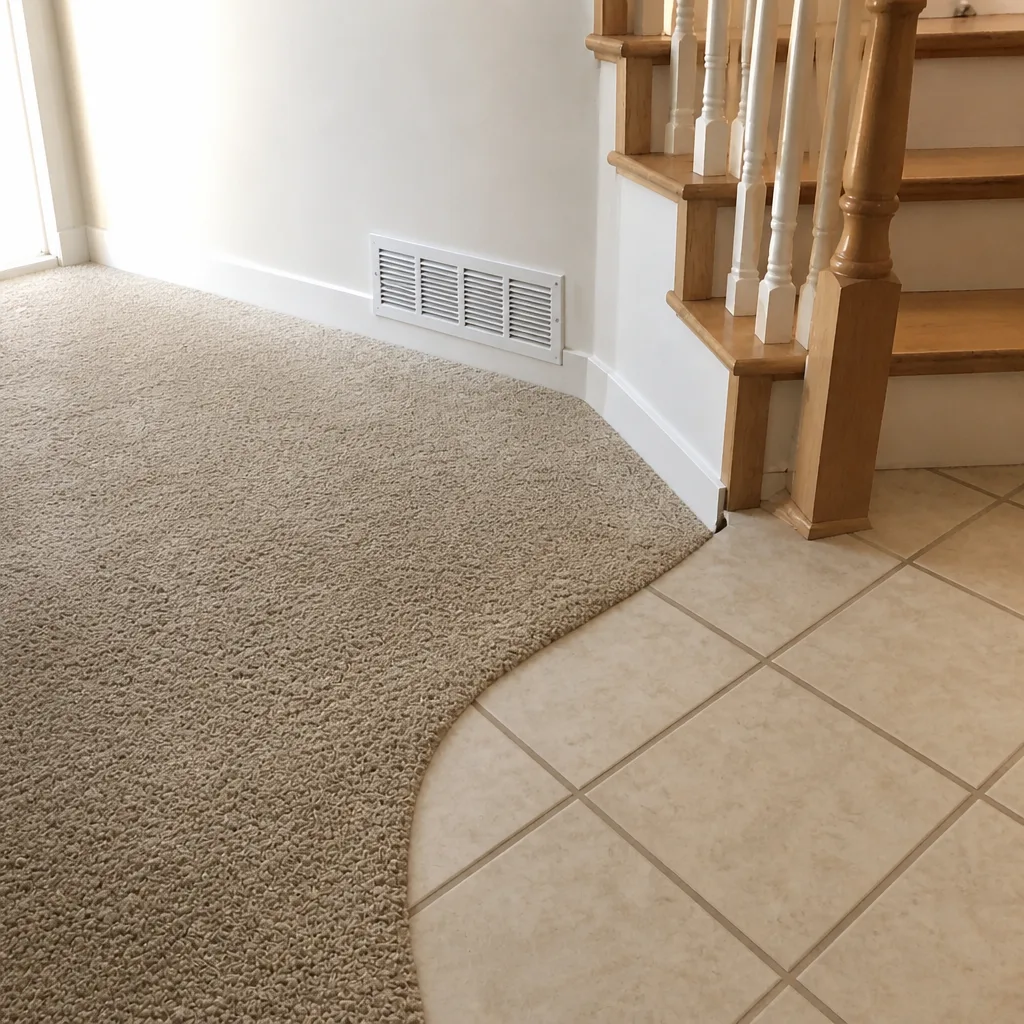
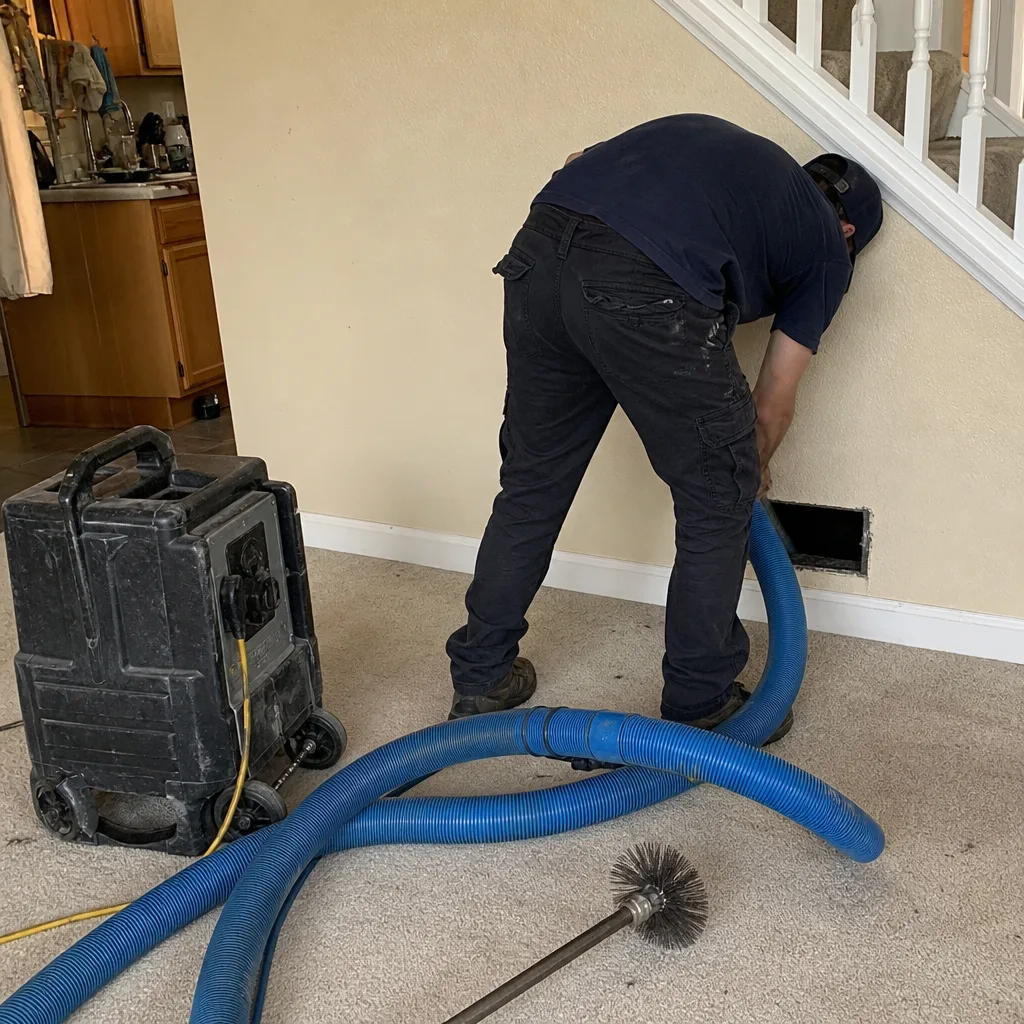
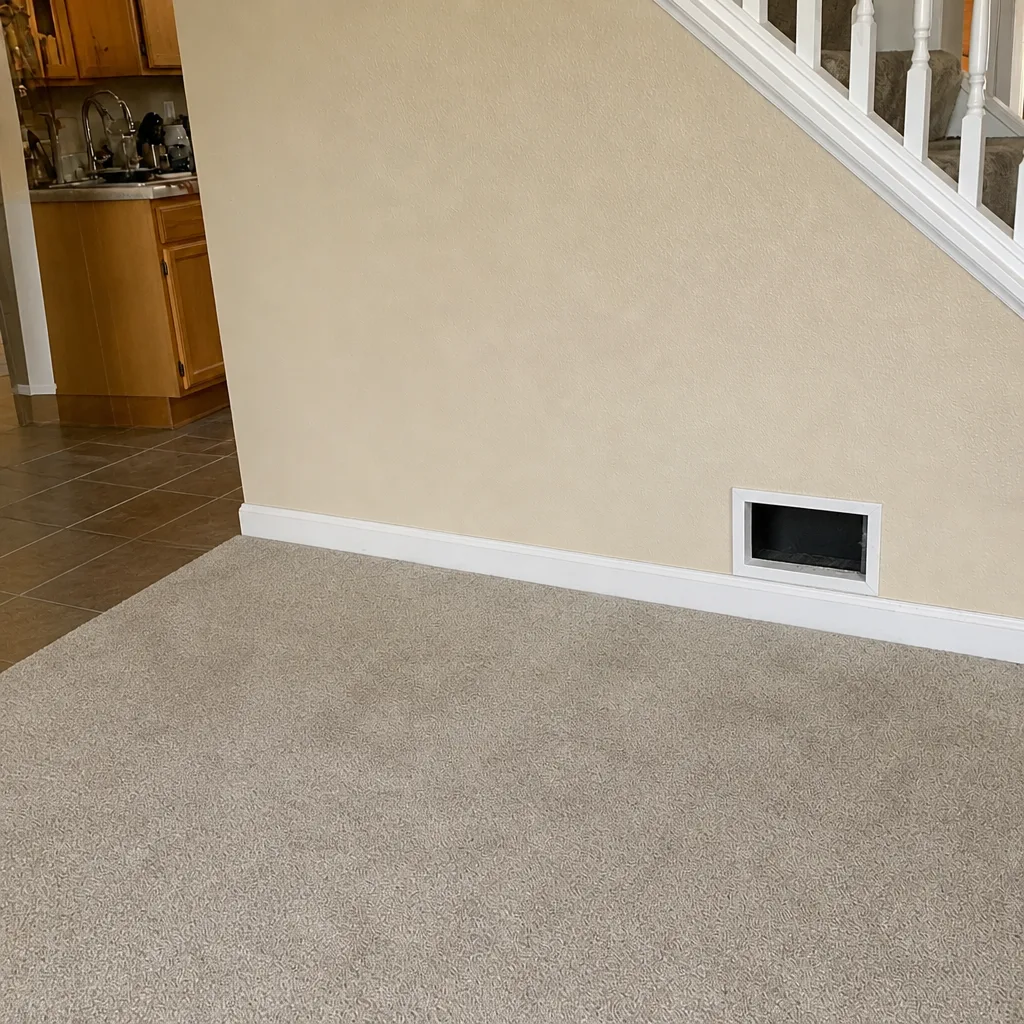
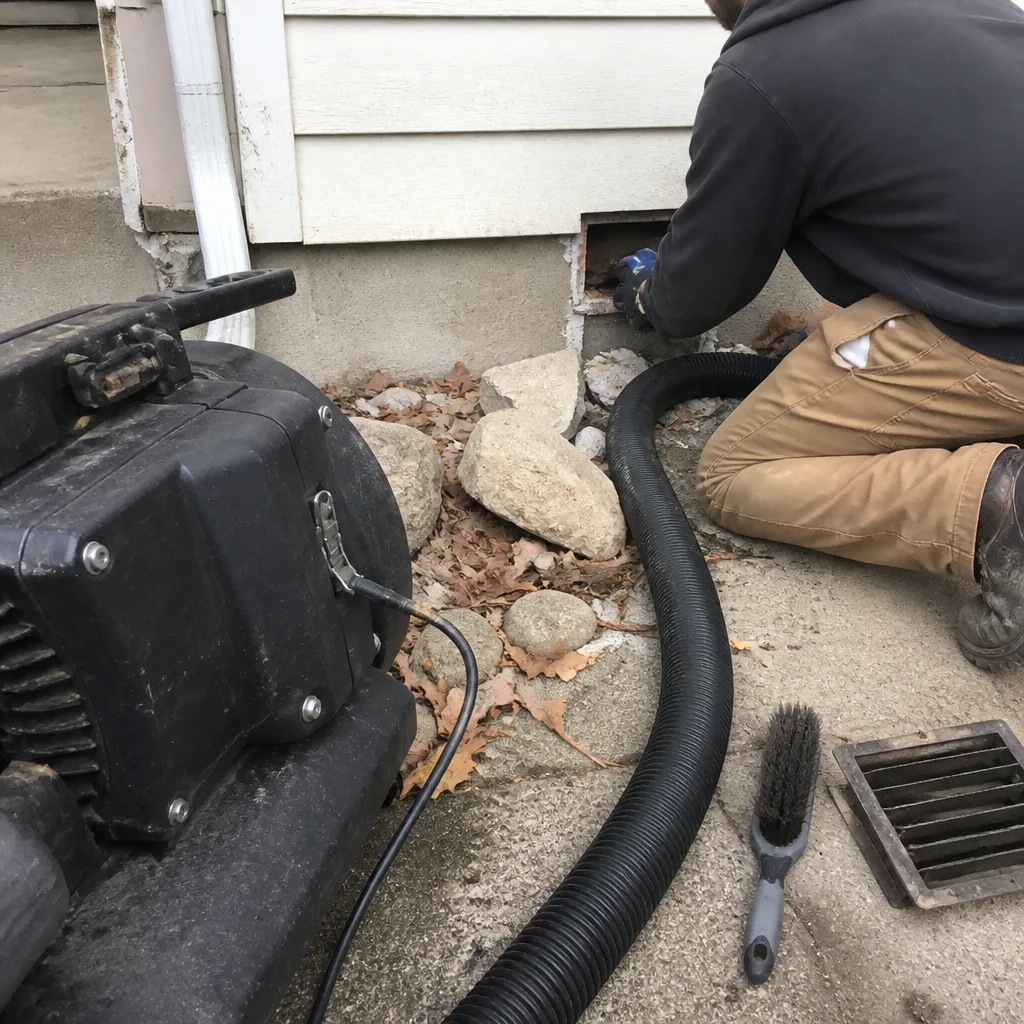
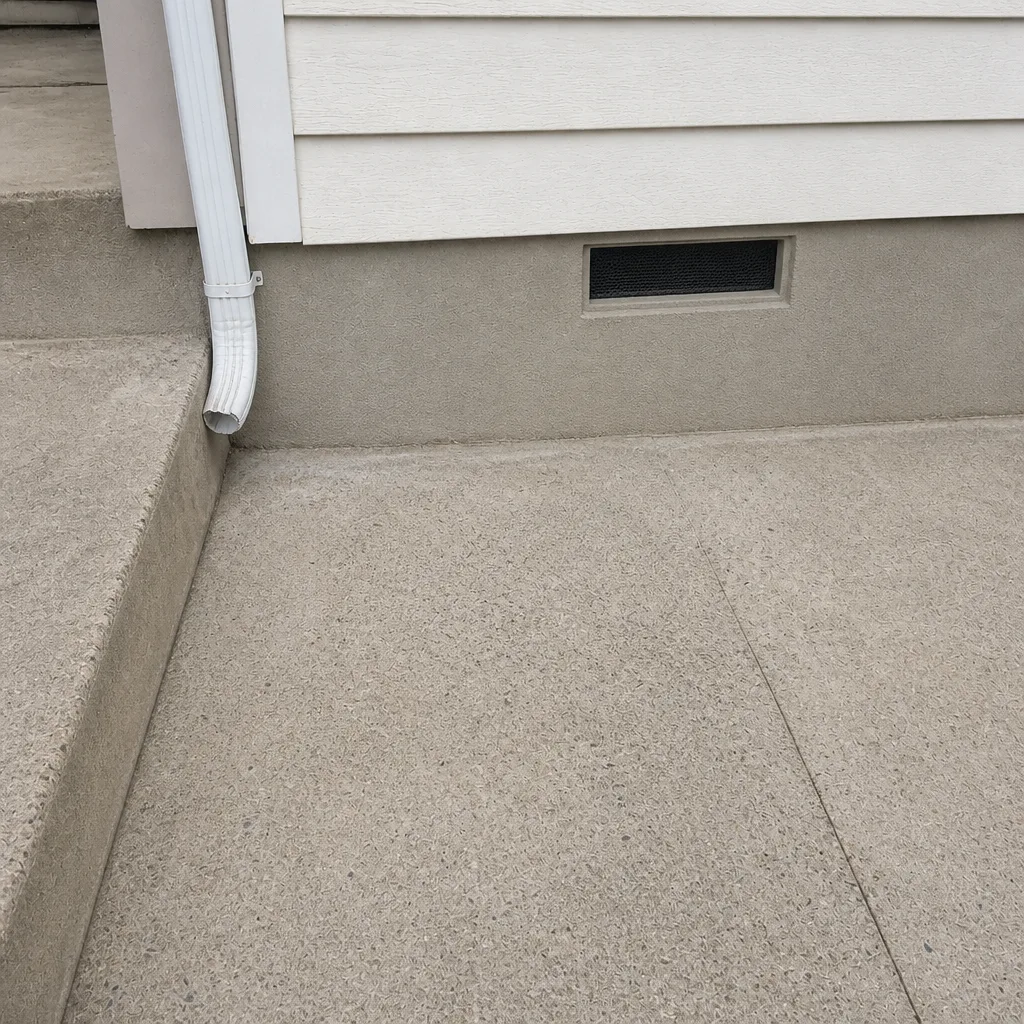
Whole-system duct and dryer vent check with before-and-after photos - you see exactly what came out of your vents
That "$99 whole-house special" is a bait ad - the real number appears once they are in your hallway, or the "clean" is a shop-vac at the register. We photograph the inside of your ducts before and after instead.
The Complete Guide to Air Duct Cleaning in Murray
Most people think of duct cleaning as a one-time chore, like a deep carpet shampoo. That framing is what leads to bad decisions. In Murray, ductwork doesn’t sit in a neutral environment. The city rests against the Wasatch Range, and during winter the valley traps a layer of cold air under warmer air above it. That inversion holds fine particulate in place for days or weeks at a stretch. A home’s return ducts keep pulling that air through the same channels, and the loading builds in ways it doesn’t in a low-pollution suburb. This guide walks through what that means for your system, how to verify a job was actually done well, and where cleaning ends and real system repair begins.
Styles & brands we work with
- Whole-home duct cleaning
- Dryer vent cleaning
- Camera inspection
- Sanitizing & deodorizing
Quick Answer
Air duct cleaning in Murray means removing the accumulated dust, debris, and biological growth from the full duct system using negative-pressure vacuum equipment plus mechanical agitation, then verifying the result with before-and-after camera inspection. A thorough job covers the supply and return ducts, the air handler, coils, drain pan, blower wheel, and register boots, not just the visible runs. If the ducts are also leaking or disconnected, cleaning alone won’t fix the problem; duct repair and sealing has to come with it.
Table of Contents
- Why Murray Ductwork Loads Differently
- How Inversions Accelerate Particulate in Return Ducts
- What a Whole-System Cleaning Actually Covers
- Truck-Mount Negative Pressure vs. Portable Equipment
- Why Camera Inspection Is the Only Honest Verification
- Signs Your Murray Home Needs Duct Cleaning
- What a Professional Job Looks Like Step by Step
- Red Flags in a Duct Cleaning Quote
- Common Mistakes to Avoid
- When to Call a Professional
- Frequently Asked Questions
- The Bottom Line
Why Murray Ductwork Loads Differently
Murray sits in a bowl. The Oquirrh Mountains frame the west side, the Wasatch Range rises to the east, and the valley floor between them traps air during the cold months. That geography shapes what ends up in a home’s ductwork. During a prolonged inversion, particulate from wood smoke, vehicle exhaust, and road dust has nowhere to disperse. It settles onto surfaces, gets pulled into return grilles, and concentrates inside the return trunk and the air handler. Supply runs carry filtered air, but the return side handles everything the filter misses.
That’s the piece most people overlook. The return ducts are the dirty half of the system, and they’re the half a superficial cleaning often skips. If a company runs a hose into the supply vents and calls it done, the collected load in the return trunk and the air handler stays right where it was, ready to redistribute the moment the blower kicks on again.
In our experience across Murray homes, the properties that accumulate fastest are those near the heavily trafficked corridors and older neighborhoods where the housing stock has seen multiple HVAC replacements without a duct cleaning between them. The area around Murray Park and the older blocks near State Street both see this pattern. Homes that have had pets, smokers, or recent remodeling inherit a similar loading regardless of location.
Cold air also matters. Utah winters push the furnace into long run cycles. Every hour the blower operates, it moves a few hundred cubic feet per minute of air through a system that has to filter it in real time. A filter catches what it’s rated for. The rest coats the interior surfaces. Over a heating season, that coating thickens. Cleaning at the right interval keeps that buildup from becoming structural.
How Inversions Accelerate Particulate in Return Ducts
An inversion happens when a warm layer of air settles over a colder layer near the ground. The valley’s cold air gets capped, and everything emitted inside that cap stays inside it. The Wasatch Front experiences these events repeatedly through December, January, and February. During a strong inversion, the visible haze in the sky is the same material your furnace is pulling into the return.
Here’s the mechanism that matters for ductwork:
- The furnace draws air through the return grilles at the same rate whether outdoor air is clean or loaded with particulate.
- Standard filters capture a portion of that particulate but allow the finest fraction through, especially as the filter loads and pressure drop increases.
- That fine fraction deposits on the cooler surfaces inside the return trunk, the blower wheel, and the evaporator coil.
- Repeat over one or two heating seasons, and the deposit becomes a layer that no filter will remove.
- Once that layer is thick enough, airflow drops, the blower works harder, and the system loses efficiency in ways a thermostat can’t show.
Murray sits directly in this pattern. A homeowner in a low-pollution suburb might get by with cleaning every five or six years. A Murray homeowner facing repeated inversions is looking at a shorter interval, particularly if there are allergy sufferers, pets, or a household member with respiratory sensitivity. The particulate that accumulates during a single hard winter can rival what a milder climate produces in two or more. This is why cleaning frequency is a local question, not a generic one.
The same applies to the filter side of the equation. Homes that run a standard 1-inch filter and change it on schedule still accumulate loading in the return duct because the filter’s job is to protect the equipment, not to purify the air. Filters that are rated higher capture more but also restrict airflow more, and the trade-off matters. A conversation about filtration goes hand in hand with cleaning. It’s why we work with Murray Air Duct Cleaning Co standards on every job and why we look at the whole system rather than just the visible ducts.
What a Whole-System Cleaning Actually Covers
A full-system cleaning reaches past the ducts themselves. Ductwork is one component in an assembly, and contamination doesn’t respect the divisions. Here’s what should be on the list when you hire a professional:
- Supply ducts – the runs that push conditioned air into each room.
- Return ducts and return trunk – where the bulk of the accumulated load tends to sit.
- Air handler cabinet – the sheet-metal enclosure housing the blower and coil.
- Evaporator coil – the finned component that cools air in summer; also a condensation point where biological growth takes hold.
- Drain pan – the tray under the coil, a known reservoir for standing water and growth.
- Blower wheel – the spinning fan that moves air; dust coats its blades and reduces efficiency.
- Register boots – the transition fittings where duct meets floor or wall grille; usually reachable only with the right tool.
Each component interacts with the others. A coil coated in dust doesn’t dehumidify as well, which raises the moisture in the airstream, which feeds biological growth in the drain pan and downstream. Cleaning the ducts while leaving the coil and pan loaded sets up the same problem again within a season. This is why “air duct cleaning” as a service description undersells what’s actually necessary.
The other half of the job is the HVAC cleaning component – the air handler and its internals. That’s where professional equipment earns its keep. A blower wheel has to be removed or cleaned in place with the right tools; a coil needs proper coil cleaner and a controlled rinse; a drain pan often needs sanitizing after it’s been cleaned. It’s also where we bring in brands like Aprilaire on the filtration side, because the filter’s interaction with a clean air handler is the part that keeps the system running the way it should. Indoor air quality is a system, not a single service.
Truck-Mount Negative Pressure vs. Portable Equipment
The single biggest variable in the quality of a duct cleaning job is the vacuum. Two systems dominate the residential market: a truck-mount negative-pressure unit and a portable shop-vac-style machine. The difference between them is not cosmetic.
A truck-mount system pulls the ductwork under continuous negative pressure. A large hose attaches to the main trunk, and the vacuum draws air from every open register back to the truck. The technician agitates the duct interior with a rotary brush or air whip, and the loosened debris travels with the airstream to the collection unit outside the house. Nothing that comes loose ends up in the living space.
A portable machine works differently. Most portable units are shop-vac-class vacuums with a hose and a brush. They generate far less static pressure, and they can’t hold the entire duct system under consistent negative pressure. Debris that loosens can escape into the room, and deeply embedded material often doesn’t come off at all because the airflow isn’t strong enough to lift it. Some contractors use the term “rotary brush” with a portable machine, but the brush alone doesn’t solve the airflow gap.
Professional-grade equipment changes what’s possible. We use Rotobrush systems for the mechanical agitation work and Nikro systems for negative-pressure collection. Both are purpose-built for duct interiors. The combination lets us run a mechanical clean through the supply and return runs while maintaining extraction, which is the only way to catch deeply embedded debris. Portable equipment has its place in tight spots, but it’s not what a full-system job runs on.
| Consideration | Truck-Mount Negative Pressure | Portable Shop-Vac Class |
|---|---|---|
| Static pressure | High, continuous | Low, intermittent |
| Debris containment | Outside the home | Partial, room risk |
| Deeply embedded material | Lifted and extracted | Often left behind |
| Full-system coverage | Every connected run | Limited to hose reach |
| Air handler access | Full removal possible | Usually surface only |
Why Camera Inspection Is the Only Honest Verification
You can’t see inside your ducts. Neither can you see whether a contractor cleaned them well without evidence. That’s why before-and-after camera inspection is the only credible way to know a job was actually done. The technician drops a camera into the trunk and into individual runs, photographs what’s there, cleans, and photographs again. The homeowner gets to see both sets of images.
We treat camera inspection as a non-negotiable part of the job. Before-and-after photos of the same run, taken from the same angle, tell you more than any description of “high-pressure cleaning” ever could. If a company won’t show you the interior of your ducts before work starts, you have no baseline. If they won’t show you the after, you have no proof.
Building the photos into the process also catches things a visual walk-through misses. We’ve seen return trunks with disconnected joints, coil surfaces with growth along the fins, and register boots packed with construction debris from a remodel years earlier. A camera catches all of it. When we find a mechanical issue like a disconnected duct or a collapsed flex run, we don’t just report it; duct repair and sealing is part of what we do, and it’s the only way to keep the cleaned system from re-loading through the same leak a few months later.
Ask any contractor you’re considering to describe their verification process. If the answer doesn’t include camera documentation before and after, that’s information about how the job will be run.
Signs Your Murray Home Needs Duct Cleaning
Ductwork rarely announces itself. It degrades quietly, and the signs show up downstream. Here’s what to watch for in a Murray home:
- Visible dust settling on surfaces within a day or two of cleaning. Normal household dust returns slowly. Fast returns point to a source the system is re-distributing.
- Musty or stale odors when the furnace or AC kicks on. Odor that appears at startup and fades points to the air handler, coil, or drain pan.
- Allergy or respiratory symptoms that flare during heating season. Inversions make this pattern more noticeable in Murray because outdoor air itself is loaded.
- Uneven airflow between rooms. If one room runs weak while another is strong, a disconnected or leaking duct is a likely cause.
- Higher-than-expected energy bills through the heating season. A dirty blower wheel and coil make the system work harder for the same output.
- Visible debris around register grilles. Dark staining or debris at the vent openings is a sign the ducts are loaded near the discharge point.
- Recent remodeling or a home purchase. Drywall dust and construction debris get pulled into the return during work, and a newly purchased home has unknown maintenance history.
None of these signals, on their own, confirm a cleaning is due. Two or three of them together usually point to the same conclusion. The most reliable proof comes from a camera inspection, which is why we start there.
What a Professional Job Looks Like Step by Step
A well-run duct cleaning follows a sequence. Yours should look something like this:
- Walk-through and system assessment. The technician maps the layout, counts runs and returns, and inspects the air handler cabinet. This is where surprises get caught, before any equipment is set up.
- Camera documentation. Interior photos of the main trunk, several representative runs, the coil, and the blower wheel. This becomes the “before” set.
- Equipment setup and negative pressure. The extraction unit gets connected to the main trunk. Every register gets opened so air flows freely through the whole system.
- Mechanical agitation of each run. Rotary brush or air whip through every supply and return. This is the step that lifts the embedded material.
- Air handler, coil, blower, and drain pan. Blower cleaned (removed if necessary), coil cleaned with appropriate product, drain pan emptied and sanitized.
- Register boot cleaning. Each boot inspected and cleaned, with the grille removed to access the interior.
- Sanitizing treatment where indicated. Not every job needs it. When it does, we use Abatement Technologies equipment – the same standard applied in professional remediation work – and Guardsman products. It’s applied to the air handler and duct surfaces where biological growth is present, not sprayed indiscriminately.
- Camera re-inspection and documentation. The “after” set, shot from the same angles as the “before” set.
- Walk-through with the homeowner. The technician shows what was found, what was done, and whether any repair is recommended.
A full job on a typical Murray single-family home runs several hours, more if duct repairs are involved. Anyone quoting a very fast timeline on a whole-house job is likely running a surface clean, not a full-system one.
Red Flags in a Duct Cleaning Quote
Bait-and-switch in this trade has a recognizable shape. A teaser price gets the technician in the door, and the price on the invoice is a different number. Here’s what to watch for:
- A low headline price with per-vent upcharges. Whole-system pricing is per job, not per register. Per-vent pricing turns into a surprise when the technician counts your vents.
- “Cleaning” defined as vacuuming the visible vents only. A run-through of the grilles isn’t duct cleaning. The return trunk and the air handler are the parts that matter most, and they’re not visible.
- No camera documentation offered. If the “before” and “after” can’t be shown, the result can’t be verified.
- Upsell pressure on sanitizing before any inspection. Legitimate sanitizing is a decision made after looking. It’s not a default add-on.
- No mention of what equipment will be used. If you can’t get a straight answer on truck-mount versus portable, that’s the answer.
- Price quoted before anyone sees the system. A real estimate comes after an inspection, because duct layouts vary and mechanical issues change the scope.
- Guarantee language that doesn’t survive contact with the paperwork. Any promise about results should appear in the written estimate, not just in a phone conversation.
The safer structure is straightforward: one flat price per system, agreed in writing before any work starts, with the scope spelled out. That’s what we quote in Murray – no per-vent math, no bait pricing, before-and-after photos of your own ducts included. If a quote can’t be structured that way, that’s the red flag.
Common Mistakes to Avoid
- Assuming cleaning fixes every air quality complaint. If a duct is disconnected, unsealed, or collapsed, cleaning it leaves the leak in place. The problem returns within a season. The structural fix is duct repair and sealing.
- Skipping the air handler. Cleaning ducts while leaving the coil, blower, and drain pan loaded short-circuits the entire job. The air handler is where the dirt lands first and where biological growth starts.
- Hiring on price alone without asking what the price covers. Two quotes with different scopes aren’t comparable even if the numbers are close. One might cover the air handler; the other might be the ducts only.
- Skipping the dryer vent because it “still vents fine.” A dryer that still works is not a dryer vent that’s clear. Lint accumulates on the interior walls of the flex line regardless of airflow, and the safety margin on a clogged line is thin. This is the one duct in the house where the risk curve is steep.
- Ignoring the return side. Return ducts handle the air the supply system will eventually discharge. In Murray’s inversion cycle they capture the bulk of the particulate load. Cleaning supply only is cleaning the cleaner half.
- Not addressing filtration alongside cleaning. A clean system fed by an under-rated or overdue filter re-loads quickly. The two decisions belong together.
- Treating it as a permanent fix. Duct cleaning is interval maintenance, not a one-time reset. In Murray’s climate, the interval matters more than in most places.
When to Call a Professional
Some situations warrant a call right away. If your dryer has started taking noticeably longer to dry a load of laundry, or if the outside vent flap doesn’t open fully during a cycle, the line needs attention before it becomes a hazard. If you can smell a musty odor when the furnace or AC starts, that points to the air handler and coil, which is not a homeowner-accessible area. If dust returns to surfaces within a day of cleaning, or if one room has lost airflow while another stays strong, a disconnected duct is a likely cause. Recent remodeling, a newly purchased home with unknown service history, and an upcoming heating season after a heavy inversion winter all sit on the list. Murray Air Duct Cleaning Co offers free estimates in Murray – call (833) 984-2965. We answer 24/7, and fast dispatch runs 7am to 7pm, Sunday through Friday.
Frequently Asked Questions
Air duct cleaning in Murray typically runs by the whole-system scope rather than per vent, and the written estimate sets the final price. The cost depends on house size, number of runs and returns, and whether duct repair or sanitizing is included. We quote one flat price per system after inspecting the layout and documenting what’s there. Call (833) 984-2965 for a free estimate.
Most Murray homes fall in the three-to-five-year range, but the inversion cycle shortens the interval. Homes near heavily trafficked corridors, homes with pets or allergy sufferers, and homes that have been through a recent remodel typically need it sooner. A camera inspection is the honest way to know – if the return trunk and air handler look loaded, it’s time. Call (833) 984-2965 to schedule an inspection.
Cheap quotes usually cover less work, not the same work at a lower margin. A teaser price often means supply vents only, portable equipment, no air handler access, and no camera documentation. When the technician arrives, per-vent upcharges and sanitizing add-ons raise the invoice. The way to avoid the bait-and-switch is to demand one flat price per system in writing before work starts. Call (833) 984-2965 for an estimate structured that way.
Camera inspection before and after the job is the only reliable check. Photos of the same duct run, taken from the same angle, show the difference in a way a technician’s verbal report can’t. We build this into every Murray job and leave the homeowner with the documentation. Call (833) 984-2965 to book an inspection.
It removes the accumulated reservoir the system would otherwise redistribute, which usually reduces the load on the indoor environment during inversion periods. It doesn’t filter outdoor air, and it doesn’t fix a leaky duct system. When allergies are the driver, the full-system approach – cleaning plus sealing plus right-sized filtration – delivers more than cleaning alone. Call (833) 984-2965 to talk through the scope for your home.
Duct cleaning addresses the runs and returns – the pathways. Air duct cleaning is often used as an umbrella term, but the mechanical side belongs to HVAC cleaning, which covers the air handler, blower wheel, evaporator coil, and drain pan. A full-system job covers both, because contamination migrates between them. Call (833) 984-2965 for a free estimate on the complete scope.
Yes, in most Murray homes it makes sense to fold dryer vent cleaning into the same visit. The dryer vent is a separate duct run carrying hot, lint-loaded exhaust, and it’s the one duct in the house with a genuine fire risk if it clogs. Doing it alongside duct cleaning reduces the number of appointments. Call (833) 984-2965 to include it in the estimate.
The Bottom Line
Duct cleaning in Murray isn’t a single event – it’s one layer of a whole-system diagnosis. The inversion cycle that settles over the valley each winter loads the return ducts and air handler faster than most homeowners expect, and cleaning the supply side alone leaves the bulk of the problem in place. The right job combines mechanical cleaning with professional-grade equipment, covers the full system including the coil, blower, and drain pan, verifies the result with before-and-after camera documentation, and addresses any leaks or disconnections with duct repair and sealing before the system re-loads. One flat price per system, agreed in writing before work begins, with photos in hand. If any of that sounds like what your Murray home needs, we’re ready to help.
Call (833) 984-2965 for a free estimate. We answer 24/7. Fast dispatch from 7am to 7pm, Sunday through Friday.
Written by the team at Murray Air Duct Cleaning Co.
See the difference
 Before
 After
 Before
 After
 Before
 After