
Last updated November 24, 2026
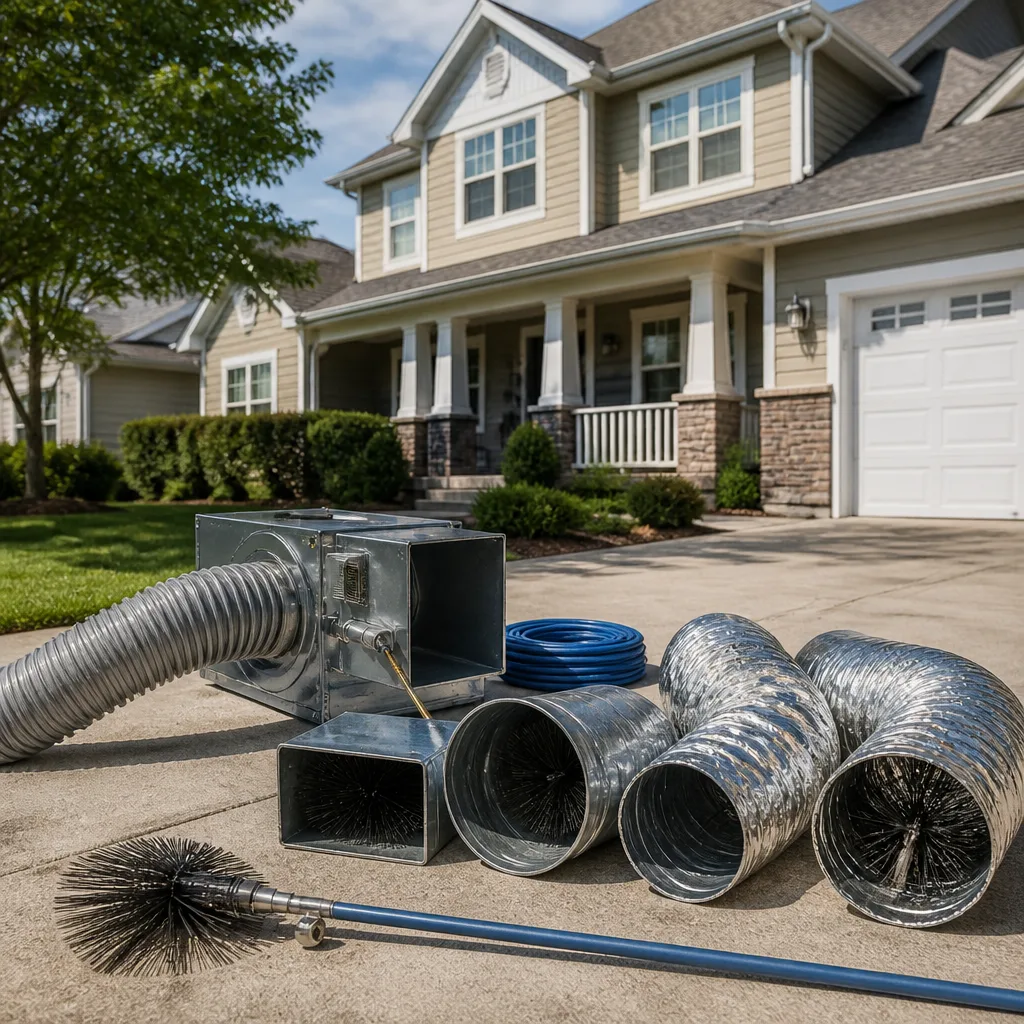 Whole-home duct cleaning
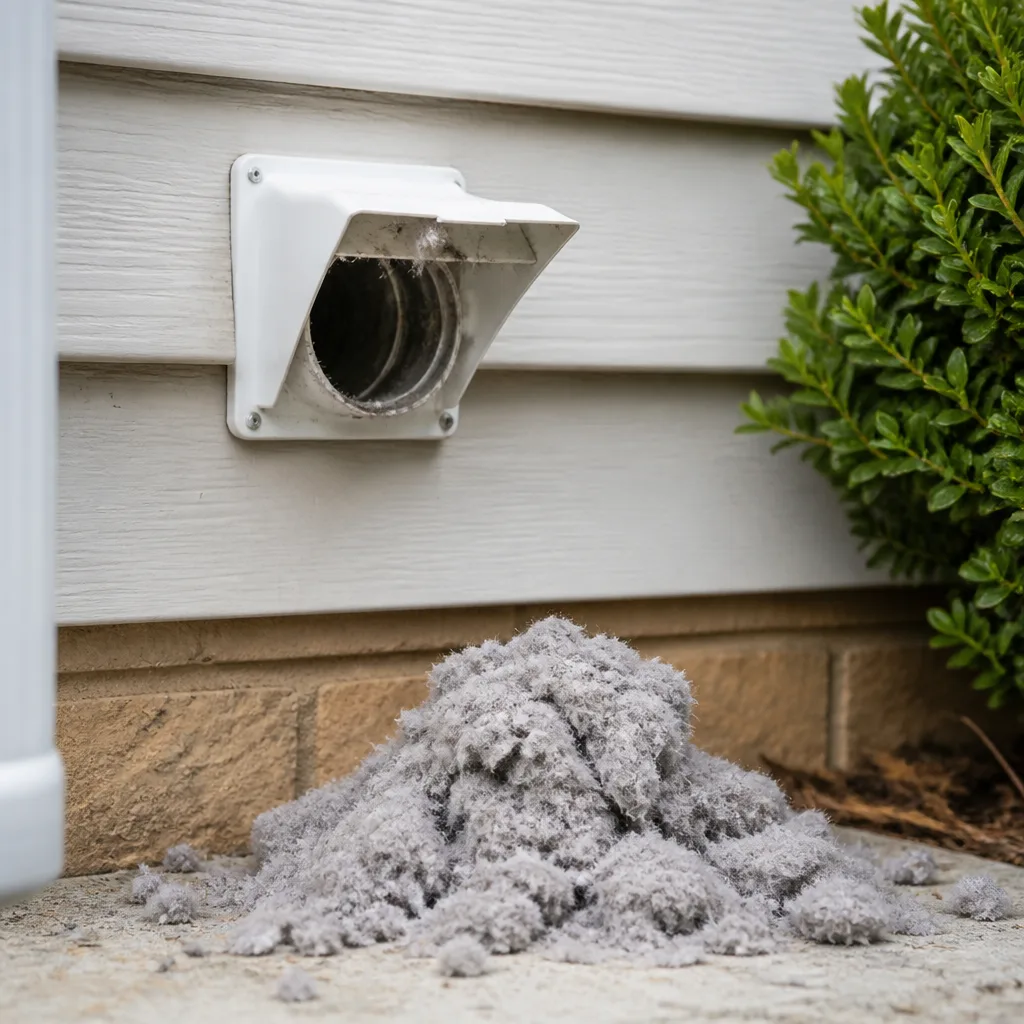 Dryer vent cleaning
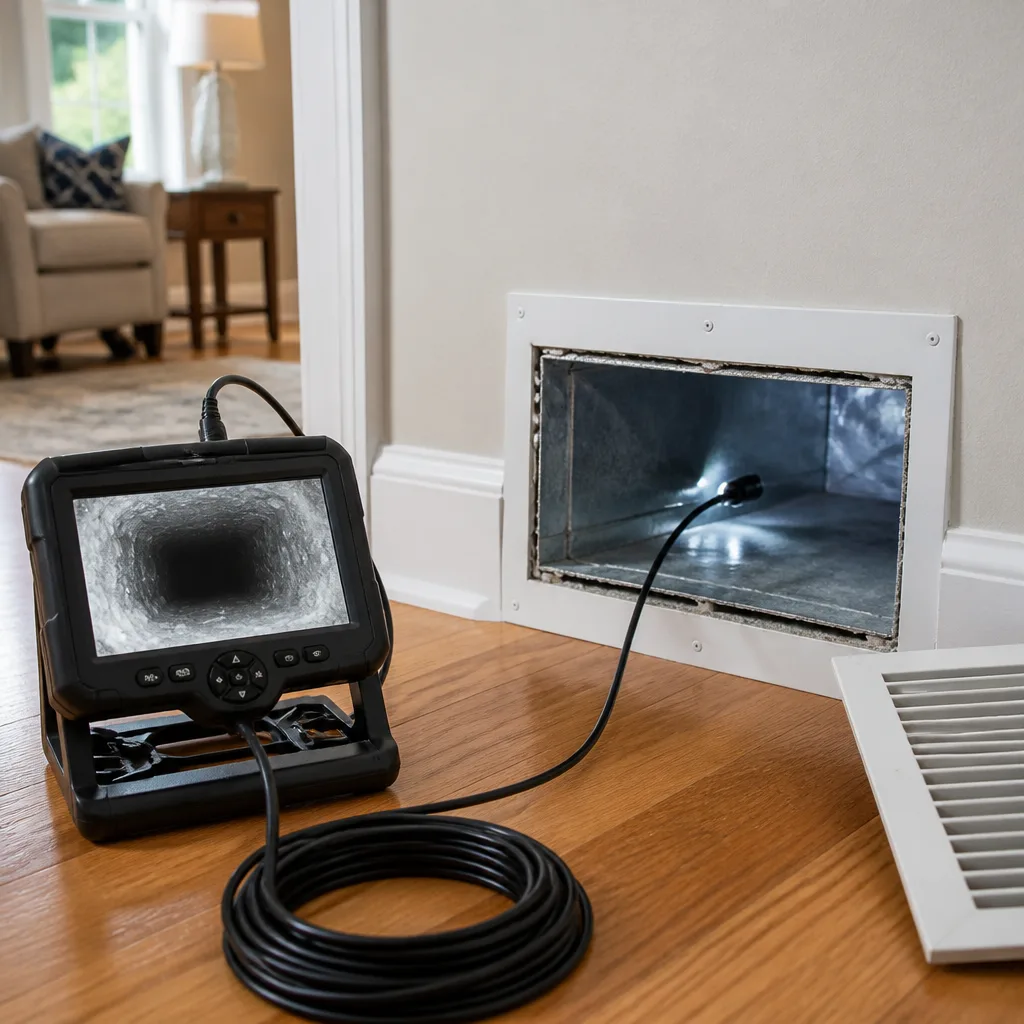 Camera inspection
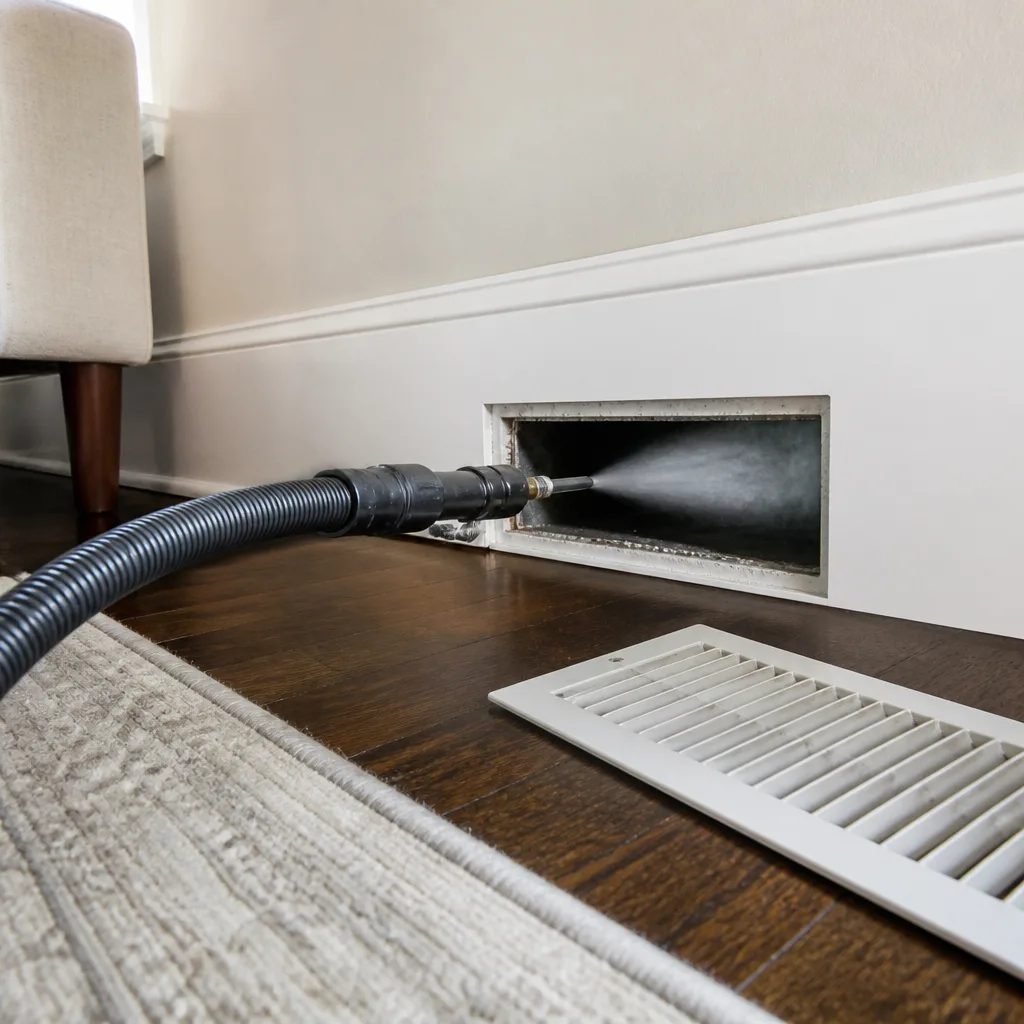 Sanitizing & deodorizing
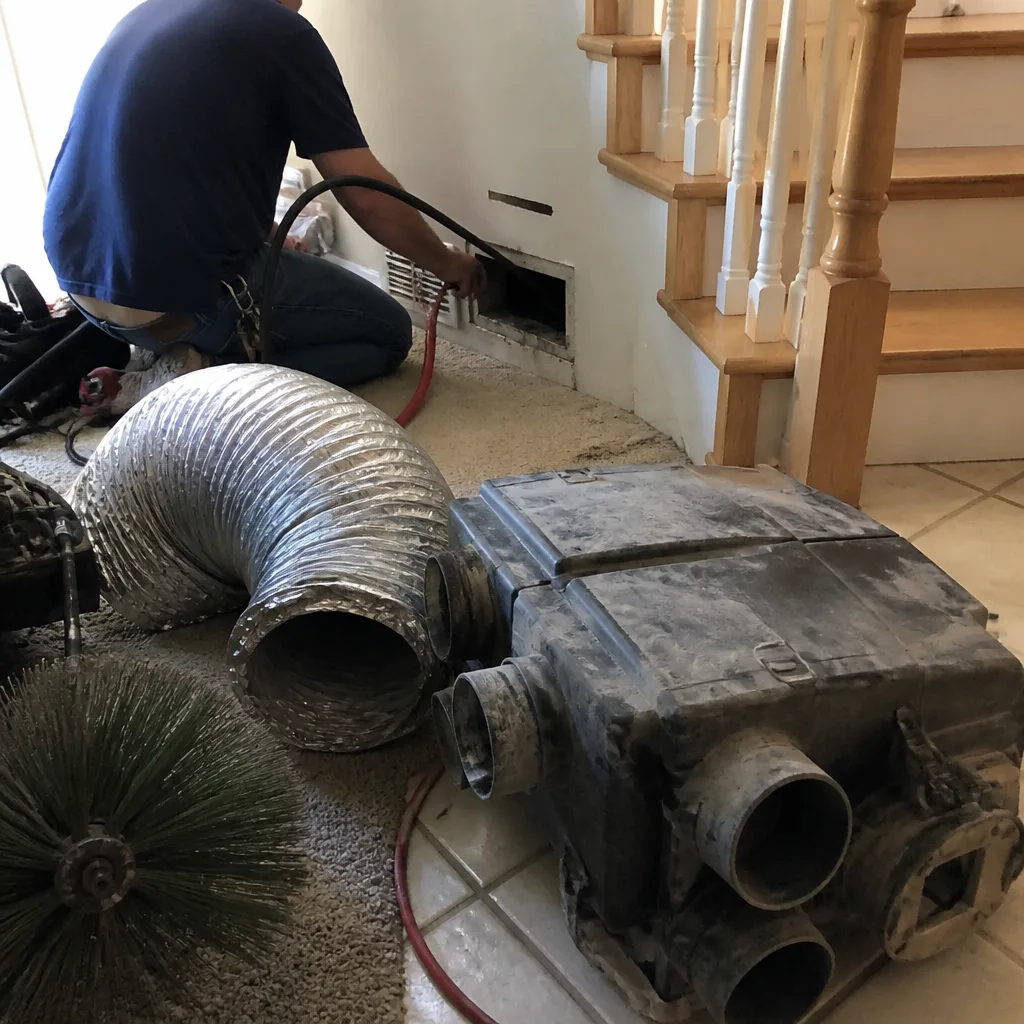
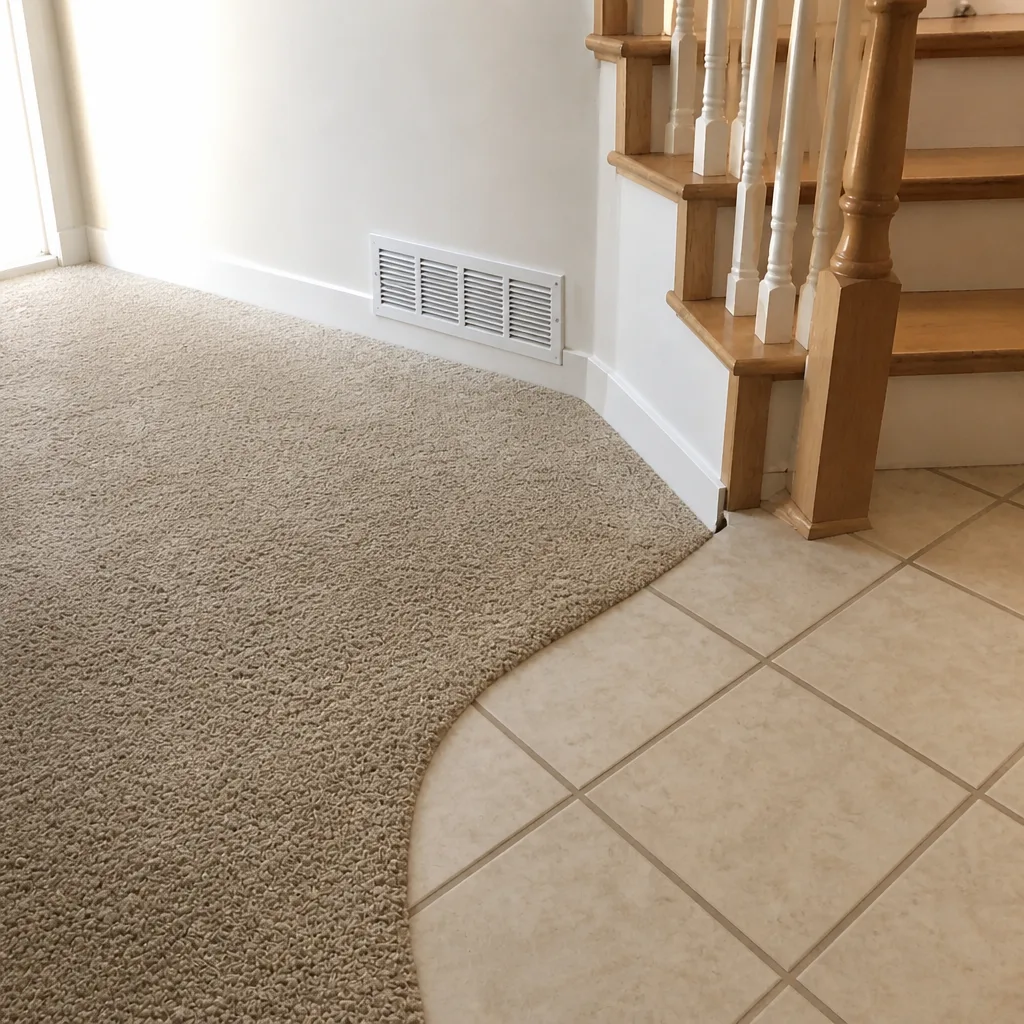
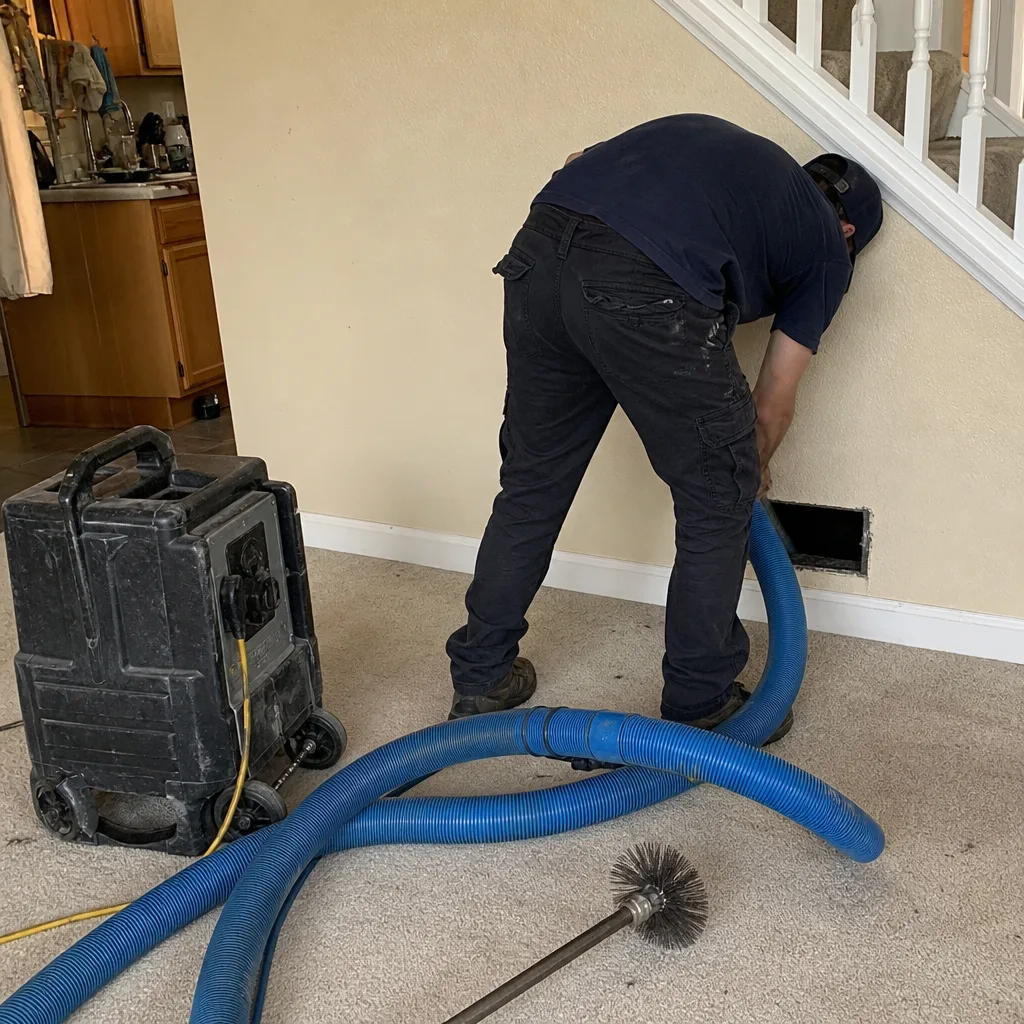
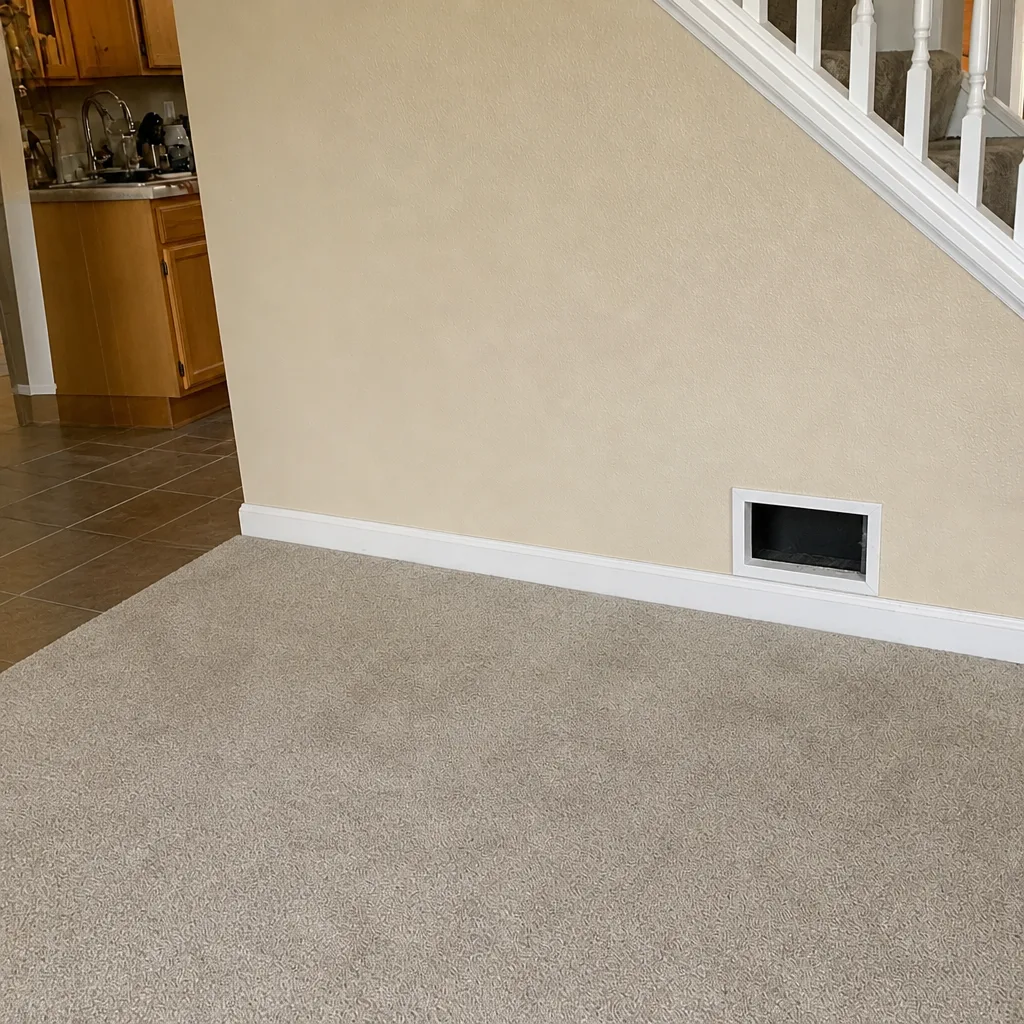
Whole-system duct and dryer vent check with before-and-after photos - you see exactly what came out of your vents
That "$99 whole-house special" is a bait ad - the real number appears once they are in your hallway, or the "clean" is a shop-vac at the register. We photograph the inside of your ducts before and after instead.
How to Hire an Air Duct Cleaning Contractor in Murray: A Step-by-Step Guide
The thing most Murray homeowners get wrong isn’t the decision to hire someone. It’s assuming that whoever shows up with a hose and a vacuum has been vetted by somebody. In Utah, air duct cleaning has almost no licensing barrier to entry, which means the credential you’d normally lean on to separate a real operator from a van-and-vacuum outfit mostly doesn’t exist. The vetting is on you. A 2021 EPA advisory put it plainly: improper duct cleaning can release more contaminants into a home than it removes. So the difference between a good outcome and a bad one comes down to who you hire, not whether you hire. This guide gives you a phone script, a quote-reading method, and an on-site checklist, written from a Murray business that does this work every week.
Quick Answer
Hiring an air duct cleaning contractor in Murray means vetting equipment, method, and scope before anyone touches your system. Ask three questions on the phone: what negative-pressure machine they use, what its CFM rating is, and how they agitate the duct interior. Then demand a whole-system written quote, not a per-vent price, and walk the property with the technician before any work begins. NADCA membership is a useful floor, but it verifies training and a code of ethics, not the specific equipment in the van.
Styles & brands we work with
- Whole-home duct cleaning
- Dryer vent cleaning
- Camera inspection
- Sanitizing & deodorizing
Table of Contents
- Why Vetting Matters More in Murray Than in Licensed Trades
- The Phone Questions That Separate Real Operators From Resellers
- What NADCA Membership Actually Verifies (And What It Doesn’t)
- How to Read a Duct Cleaning Quote Line by Line
- The On-Site Walkthrough Checklist
- What Should Happen During the Job
- How to Verify the Work Was Actually Done
- Permits, Sealing, and the Structural Question
Why Vetting Matters More in Murray Than in Licensed Trades
When you hire an electrician in Murray, the state licensing system does a lot of work for you. You can look up the license, confirm it’s active, and know that at minimum the person passed a test and carries insurance. Duct cleaning doesn’t work that way. There’s no state-issued duct cleaning license in Utah, which means the title “duct cleaning technician” is essentially unregulated. Anyone can print it on a business card.
That’s not a reason to skip the service. It’s a reason to change what you’re looking for. In licensed trades, credentials come first and equipment comes second. In duct cleaning, equipment and method come first, because they’re the only things a contractor can’t fake in a phone conversation. A real operator knows the make and model of their machine. A real operator can tell you the CFM rating off the top of their head. A real operator will describe the agitation method they use to break debris loose from the duct walls before it’s ever pulled into the vacuum.
Murray has a specific wrinkle here. The housing stock runs from mid-century ranch homes in neighborhoods like Murray Park and Liberty School up through newer builds near the Fashion Place area, and duct systems vary enormously between them. Older homes often have rigid sheet metal with original seams and sometimes disconnected runs. Newer homes can have flexible duct with more joints and tighter turns where debris collects. A contractor who’s worked Murray long enough knows which systems need which approach. One who hasn’t will quote you the same price regardless of what’s in your crawlspace.
The other local factor is the winter inversion season along the Wasatch Front. When particulate counts climb, Murray households run their furnaces harder and longer, which pushes more dust through the system and into the living space. If your furnace filter is doing its job, less gets into the ducts. If it isn’t, or if the ducts have never been cleaned, that trapped material becomes a reservoir that re-enters the air every time the blower comes on. That’s the actual case for getting this done well, and it’s the reason a sloppy job can make indoor air worse rather than better.
What you’re hiring for, in plain terms: a company that has the equipment to do a negative-pressure whole-system clean, the diagnostic eye to spot failing seams and disconnected runs, and the honesty to tell you what they found. Anything less is a surface treatment.
The Phone Questions That Separate Real Operators From Resellers
You can eliminate most bad hires in a five-minute phone call. The questions below aren’t tricks. They’re the questions a working technician answers without hesitation, because they describe the actual mechanics of the job.
- What negative-pressure machine do you use, and what’s its CFM rating? Negative pressure means the vacuum pulls air toward the machine, so loosened debris travels out of your home rather than into your rooms. CFM is cubic feet per minute, the measure of how much air the machine moves. A real duct cleaning truck or portable unit runs in the thousands of CFM. If the person on the phone can’t give you a number, you’re talking to a scheduler, not an operator.
- How do you agitate the duct interior? A vacuum alone won’t dislodge caked dust from duct walls. Agitation is the mechanical step that breaks it loose first, using rotating brushes, air whips, or compressed-air tools fed through the duct. If the answer is “we just run the vacuum,” the clean will be partial.
- Is the vacuum connected to the duct system, or do you vacuum through the registers? Connected systems seal to a main trunk or a cut access port and pull from the whole system. Register-only vacuuming leaves the trunk line mostly untouched.
- What equipment brand do you run? Purpose-built duct cleaning systems have names. At Murray Air Duct Cleaning Co, we run Rotobrush and Nikro systems, which are commercial duct cleaning machines, not repurposed shop vacuums. If the company can’t name their equipment, that’s a signal.
- Does the quote include the air handler and coil, or just the ducts? A whole-system clean includes the furnace cabinet and evaporator coil, because that’s where a lot of the contamination sits. Quotes that cover only the duct runs leave the biggest reservoir untouched.
- Who actually does the work, your technicians or a subcontractor? Some companies are sales operations that dispatch third parties. You want to know who’s coming to your door.
- Will you put the findings in writing? A contractor who inspects should produce a written record of what was found, not just an invoice.
Ask these before you book, and listen for specifics. A good operator answers in the language of the trade because that’s how they think. Vagueness on the phone usually means vagueness on the job.
What NADCA Membership Actually Verifies (And What It Doesn’t)
NADCA is the National Air Duct Cleaners Association, and its membership is the closest thing the industry has to a credential. But it’s worth understanding exactly what it covers so you don’t over-rely on it.
What NADCA membership verifies: the company has committed to a published code of ethics, at least one person on staff has completed NADCA’s Air Systems Cleaning Specialist certification, and the company follows the association’s assessment, cleaning, and restoration standard for HVAC systems. That standard is a real document, and it tells a contractor how to evaluate a system before cleaning it and how to restore it afterward. Membership is a meaningful signal that the company takes the work seriously.
What NADCA membership does not verify: the specific equipment in the van. It doesn’t guarantee a particular CFM rating, a particular agitation method, or that the technicians doing the work are the certified ones. A company can hold membership and still send a crew that runs entry-level equipment. It also doesn’t guarantee pricing transparency, which is why reading the quote matters just as much as checking the membership.
Treat NADCA as a floor, not a ceiling. It filters out the worst operators. It doesn’t tell you whether the person arriving at your Murray home will run a proper negative-pressure clean or a cosmetic pass. That’s why you combine it with the phone script and the walkthrough. In our experience, the companies worth hiring clear both bars: association membership and clear answers about equipment. If a company clears the second bar and not the first, ask why. There may be a good answer, but you deserve to hear it.
One more thing: certification is a person-level credential and membership is a company-level one. Ask which technicians are certified and whether they’re on your job. The answer tells you a lot about how the company is organized.
How to Read a Duct Cleaning Quote Line by Line
Per-vent pricing is the single biggest source of confusion in this trade, and it’s worth understanding why. When a company quotes “$X per vent,” that number almost always covers only the register boot and the immediate duct segment behind it. It usually omits the main trunk lines, the plenum, the air handler, the furnace cabinet, and the evaporator coil, which are the parts where contamination actually accumulates. You end up paying for the visible part and skipping the important part.
A whole-system quote prices the system, not the vent count. It should include the following line items. If any are missing, ask why:
- Assessment and inspection: a look at the system before quoting, not after. This is where failing seams, disconnected runs, and moisture issues get spotted.
- Duct runs, including the trunk line: the main supply and return trunks are typically the largest single duct area in a home.
- Air handler and furnace cabinet: the box that houses the blower and filter. It traps substantial debris.
- Evaporator coil: the cooling coil on the indoor unit. If it’s accessible and cleanable, it should be addressed.
- Register covers: removed, cleaned, and reinstalled.
- Dryer vent: a separate system with its own fire-safety case. Ask whether it’s included or priced separately. If separate, price it as a separate line.
- Sanitizing treatment: optional but worth discussing if there’s any organic growth, musty odor, or a history of moisture.
- Repair and sealing findings: a line acknowledging that any sealing or repair needed will be quoted separately and approved before work.
The final quote should be a single flat price per system, agreed before anyone starts. That’s how we structure it at Murray Air Duct Cleaning Co: one flat price per system, and before-and-after photos so you can see what was actually done. If a quote is dramatically lower than the rest, ask what’s excluded. The low number usually reflects a narrower scope, not a better deal.
Be wary of any invoice that changes once the technician is on site. That’s the classic bait-and-switch pattern in this industry, and it generally means the original quote was never meant to cover the real job. Get the scope in writing up front.
The On-Site Walkthrough Checklist
A professional inspects before quoting, not after. If the technician’s first move is to point at a register and name a price, the quote is a guess. Use this checklist to see whether the walkthrough covers what it should.
- They ask what you’ve noticed. Odors, dust patterns on furniture, allergy symptoms, uneven airflow between rooms. These are diagnostic clues.
- They locate the air handler and look at the filter. A heavily loaded filter tells them something about restriction and about how much has been pulled into the duct system.
- They inspect the evaporator coil and blower. Coil fins and blower wheel condition are visible indicators of the system’s overall cleanliness and care.
- They check for disconnected ducts and failing seams. In Murray’s older housing stock, this is often the real story. A disconnected run means the system is pulling from a crawlspace rather than from the return.
- They test airflow at registers. Weak or uneven flow at some vents is a sign of leakage or restriction somewhere upstream, and it’s worth diagnosing before cleaning.
- They check the dryer vent separately. A dryer vent is a different system from the HVAC ducts, and it’s the one with the fire case. Lint accumulation near the transition duct and booster box matters.
- They explain what a whole-system clean will cover before giving a price.
- They put the scope and the price in writing.
The walkthrough is also where you learn whether the company can repair what it finds. Cleaning a duct that’s disconnected or leaking is a temporary fix. That’s why we pair air duct cleaning with sealing and repair work, and why the full suite matters: duct cleaning, dryer vent cleaning, HVAC cleaning, repair and sealing, and air quality treatment in one visit. If you need a separate contractor for each, that’s a separate project to manage.
Ask during the walkthrough whether sealing and repair are within scope. A company that can only clean will tell you about a leaking seam and then leave it leaking.
What Should Happen During the Job
The work you’re paying for has a defined sequence, and knowing it helps you spot shortcuts. Here’s what a proper whole-system clean should involve.
- Negative pressure established first. The vacuum is connected to the duct system through a designated access point before anything is agitated, so loosened debris travels toward the machine rather than into the rooms.
- Containment and floor protection. Furniture moved or covered, floors protected, and a clear plan for keeping the work area clean.
- Agitation of every duct run. Rotating tools and air whips fed through the duct to break the caked-on material loose from the walls.
- Air handler and coil cleaned. The furnace cabinet and the evaporator coil are part of the system, and they get cleaned as part of the job.
- Register covers removed and cleaned. Cleaned off-site or on site, then reinstalled.
- Findings documented as they go. If a run turns out to be disconnected or a seam has failed, this is when it’s noted for repair.
- Optional sanitizing treatment. Applied to the duct interiors once the system is clean, using products intended for the purpose. Abatement Technologies air scrubbing equipment is the kind of commercial gear used in abatement and mold remediation work, and it’s the standard we apply to sanitizing at Murray Air Duct Cleaning Co.
- Before-and-after photos taken. These are your evidence the work was done.
Two things to watch for that signal a problem. If the crew doesn’t ask to see the air handler, that’s a red flag; it means they’re doing a partial clean. If they never agitate the duct interior with a tool inserted into the duct, only vacuum at the register, the walls aren’t getting cleaned. Surface-level vacuuming looks the same on the invoice as a real clean, which is why verification matters.
Indoor air quality is a system, not a single service. The filters and equipment you run interact directly with how clean your ducts stay. Honeywell and Aprilaire filtration products are part of how a technician thinks through a home’s whole system, because a good filter upstream means less debris lands in the ducts downstream. If the contractor can talk about filtration and humidity control alongside duct cleaning, they understand the full picture.
How to Verify the Work Was Actually Done
You don’t need equipment to confirm a duct clean was real. A few simple checks will tell you a lot.
- Ask for before-and-after photos. These should show the duct interior from an access point, at the same location, before and after. Photos that show only the register cover or only the exterior duct are not evidence of an interior clean.
- Look inside a register boot with a flashlight. Remove a register cover and shine a light into the duct. The interior should be visibly cleaner than before: no heavy dust coating, no debris on the duct floor.
- Check the air handler cabinet. The blower wheel and coil area should be clean. Loose dust on the coil and cabinet after a “whole-system clean” means the cabinet wasn’t touched.
- Watch the first draw of air. Turn the system on and note the airflow at the registers. If the flow is meaningfully more even across vents than before, the restriction was actually relieved.
- Note the odor over the following days. A dusty or musty smell right after a clean is normal for a short period; it should subside. If it doesn’t, the system may still hold contamination, or moisture may need addressing.
- Ask for a written record of findings. A professional inspection should result in a written summary, not just a verbal pass.
- Take a dry paper towel and wipe inside one duct opening. It should pick up minimal residue. A visible film of dust immediately after a clean means the agitating step was skipped.
If any of these checks fail, that’s the moment to raise it. Ask what was actually done, and ask to see the interior photos again. A legitimate contractor will answer directly. That’s the whole point of the process: you shouldn’t need a technician’s word for a job you can largely verify yourself.
Permits, Sealing, and the Structural Question
Cleaning alone doesn’t fix a leaky or disconnected duct system. If the walkthrough found a disconnected run or failing seam, that’s a structural issue, and the cleaning is temporary until it’s repaired. Ask the contractor to include a plan for addressing what they find.
Sealing ductwork typically means the technician mastic-seals or applies aerosol sealant to the leaks they identify. This is where Murray Air Duct Cleaning Co‘s repair and sealing service matters: we repair what we find, not just report it. A disconnected duct run that only gets vacuumed will fill up again, and the home will keep pulling air from a crawlspace rather than through the system.
Most municipalities, and Murray is no exception, require a permit for significant alterations to the ductwork or HVAC system, so ask your city’s building department before structural duct changes are made. Routine cleaning usually doesn’t require a permit, but repairs and reroutes do. Ask the contractor whether the work they’re proposing requires one, and whether they’ll handle the permit process.
If moisture is part of the picture (musty smell, visible condensation near the coil or ducts), resolving that first is worth considering. Moisture plus organic material in a duct creates the conditions for biological growth, and that growth returns if the source isn’t addressed. Sanitizing treatments using Guardsman and Abatement Technologies products can address the biological load after the cleaning and moisture fix, but the sequence matters: fix the moisture, clean the system, then sanitize.
Common Mistakes to Avoid
- Accepting a per-vent price as the whole job. That number covers the register boots and a few feet of duct behind them. The trunk line, plenum, air handler, and coil are the parts that matter, and they’re usually not included. Ask for a whole-system flat price.
- Booking without asking about equipment. A crew with a shop vacuum cannot perform a proper negative-pressure clean. Ask about CFM rating and agitation method before you confirm a time.
- Treating NADCA membership as the only credential. It’s a floor, not a ceiling. It verifies training and ethics, not the specific equipment the crew will run in your Murray home.
- Skipping the walkthrough. Quotes given without inspecting the air handler, coil, and duct system are guesses. Insist on a walkthrough before the price is set.
- Assuming the dryer vent is included. Dryer vents are a separate system and a documented fire hazard. Confirm whether the dryer vent is part of the quote or priced separately, especially in older Murray homes where long dryer runs with many elbows are common.
- Not reviewing before-and-after photos. Photos of a register cover before and after are not evidence of an interior clean. Ask for interior photos from an access point.
- Accepting a quote with no written record. Findings should be documented. A written scope and a documented summary of findings is the standard to expect.
See the difference
 Before
 After
 Before
 After
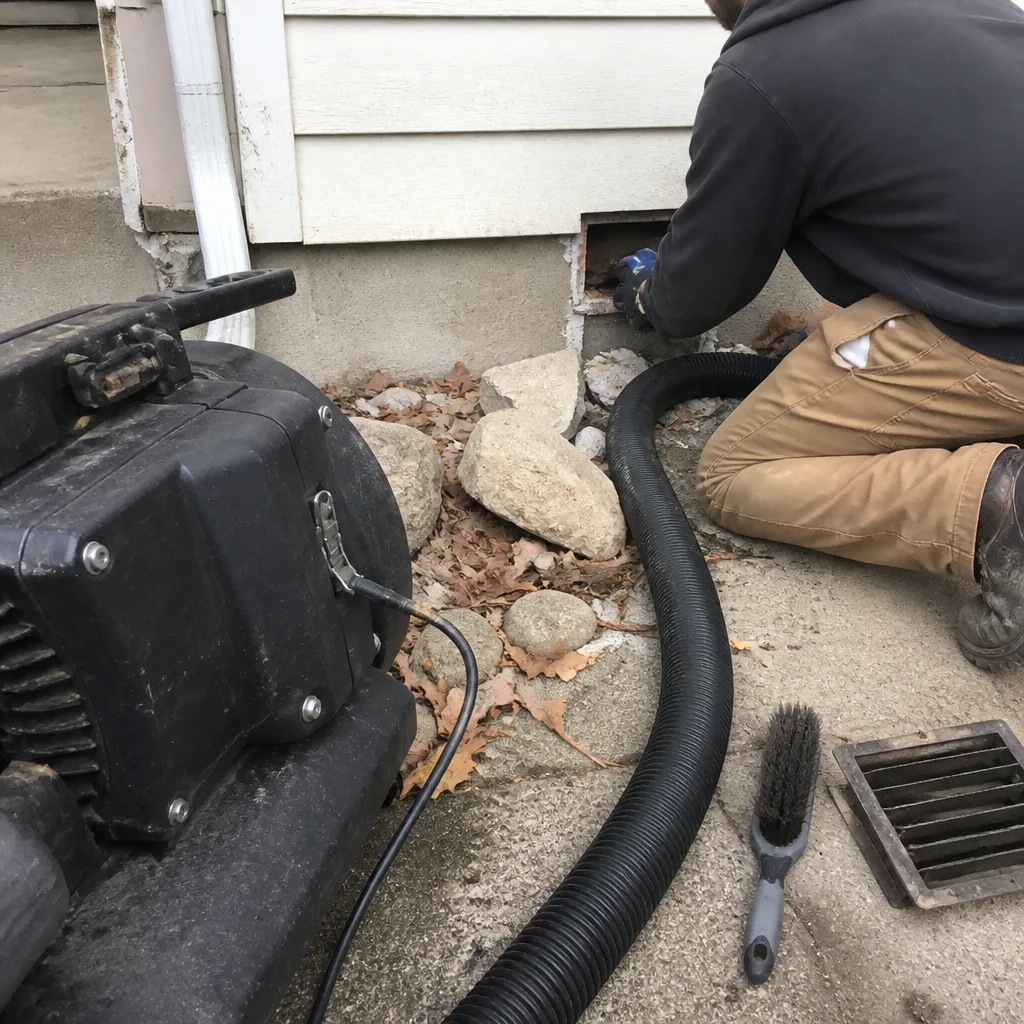 Before
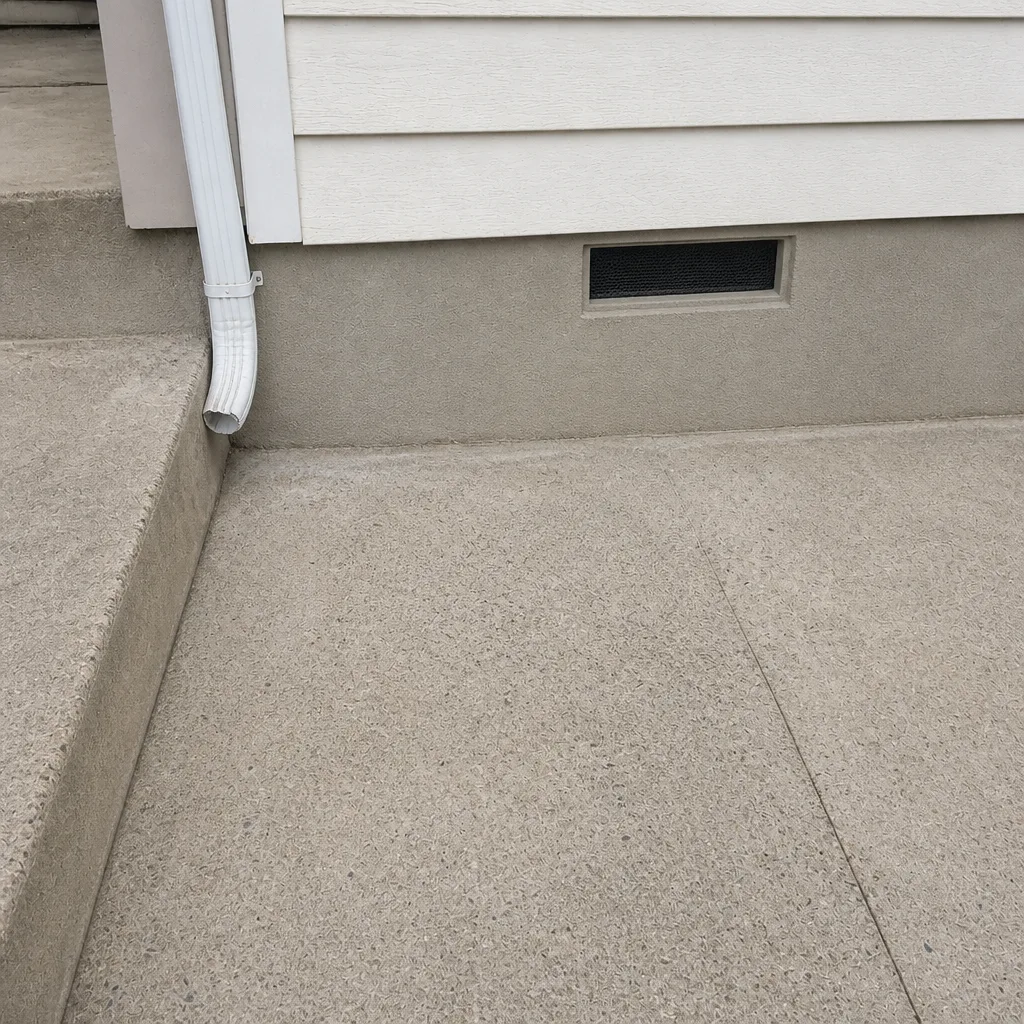 After
When to Call a Professional
If you’ve noticed dust settling on furniture within days of cleaning, recurring allergy symptoms that flare when the heat runs, a musty smell that gets stronger in winter, or uneven airflow between rooms, those are signs worth investigating. A clogged or restricted duct system often produces exactly this combination, and the cause is usually upstream of the registers. If your dryer is taking longer than it used to, or the laundry room feels warm and damp after a cycle, get the dryer vent looked at before it becomes a safety matter. And if you’re moving into a Murray home and don’t have a record of when the ducts were last cleaned, an inspection is a reasonable way to start. Murray Air Duct Cleaning Co offers free estimates in Murray. Call (833) 984-2965. We answer 24/7. Fast dispatch from 7am to 7pm, Sunday through Friday.
Frequently Asked Questions
Duct cleaning in Murray is typically priced as a flat per-system rate based on the size and configuration of the system, not a per-vent figure. Get quotes that specify the whole-system scope, including the air handler and coil, and compare those line items rather than headline numbers. Call (833) 984-2965 for an exact quote; estimates are free.
Because they cover less. A low quote usually excludes the trunk line, the air handler, and the evaporator coil, which are the areas where contamination accumulates. A cheap clean is a partial clean dressed up as a full one. Ask each contractor to itemize what’s covered. Call (833) 984-2965 for a quote that lists the full scope.
Ask for before-and-after interior photos of your ducts, wipe inside a register with a dry paper towel after the crew leaves, and check the air handler cabinet for dust. A real clean leaves visible evidence. At Murray Air Duct Cleaning Co, we take before-and-after photos of your own ducts so you can see what was done. Call (833) 984-2965 to schedule.
There’s no universal schedule. Homes with pets, recent renovations, or occupants with allergies often benefit more frequently than homes without those factors. In Murray, the winter inversion season tends to load the system with particulate, so if you run the furnace hard all winter, an inspection every few years is reasonable. Call (833) 984-2965 for an assessment based on your home.
No, it isn’t required, and no Utah state license governs duct cleaning. NADCA membership does verify training and a code of ethics, which makes it a meaningful signal, but it doesn’t confirm the specific equipment in use. Pair the membership check with equipment questions on the phone. Call (833) 984-2965 with any questions.
Routine cleaning generally doesn’t require a permit, but repairs, sealing, and reroutes of ductwork usually do. Most cities require a permit for significant alterations to the system, so ask your city’s building department before structural work begins. Call (833) 984-2965 to discuss what your Murray home needs.
The Bottom Line
Hiring a duct cleaner in Murray is a vetting exercise, not a shopping exercise. Ask about equipment and method on the phone, treat NADCA membership as a floor rather than a ceiling, demand a whole-system written quote, and use the walkthrough to see whether the contractor inspects before pricing. Verify the work with interior photos and a few simple checks. The companies worth hiring will clear every one of those bars without hesitation, and the ones that won’t have just told you something. If you want a contractor that runs Rotobrush and Nikro equipment, repairs what it finds, and shows you before-and-after photos of your own ducts, call Murray Air Duct Cleaning Co.
Contact us for a free estimate: call (833) 984-2965. We answer 24/7. Fast dispatch from 7am to 7pm, Sunday through Friday. The estimate is free, and the price is set per job by the written estimate.
Written by the team at Murray Air Duct Cleaning Co.