
Last updated November 24, 2026
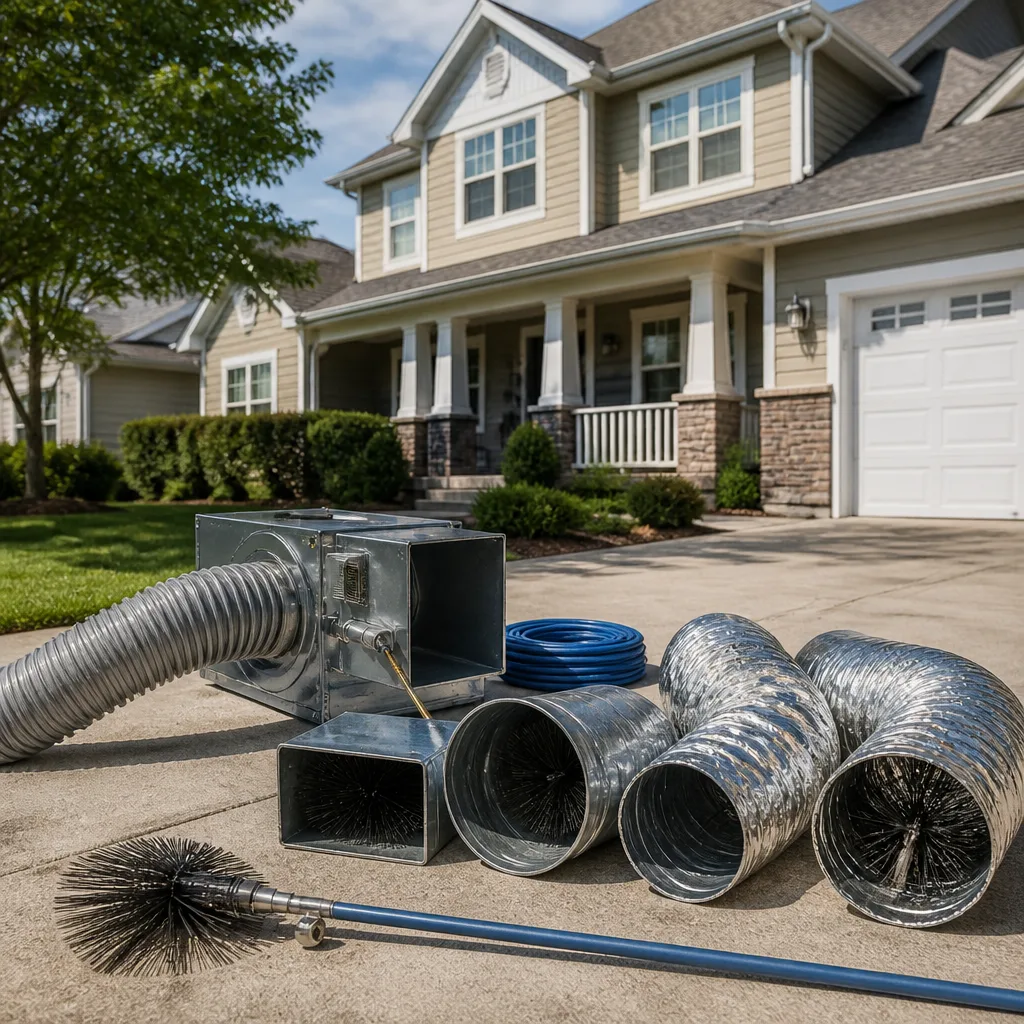 Whole-home duct cleaning
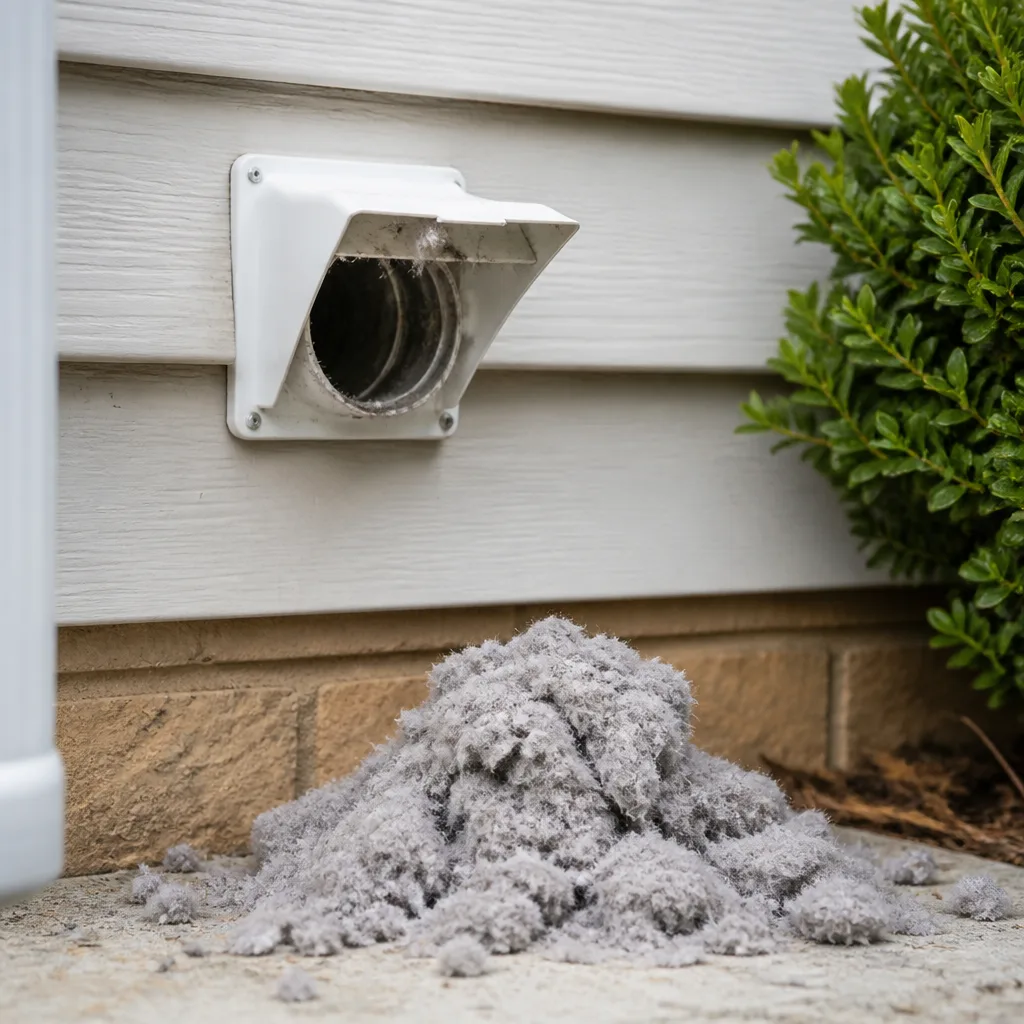 Dryer vent cleaning
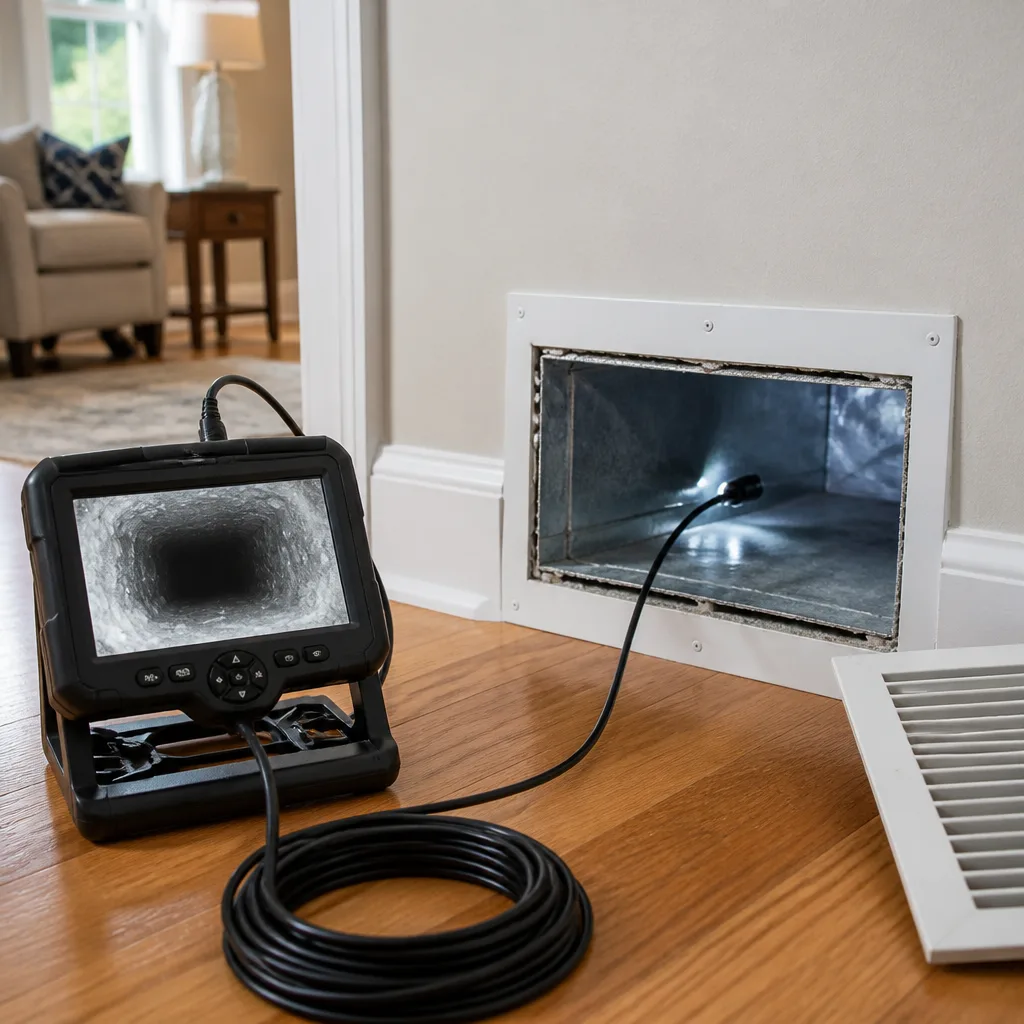 Camera inspection
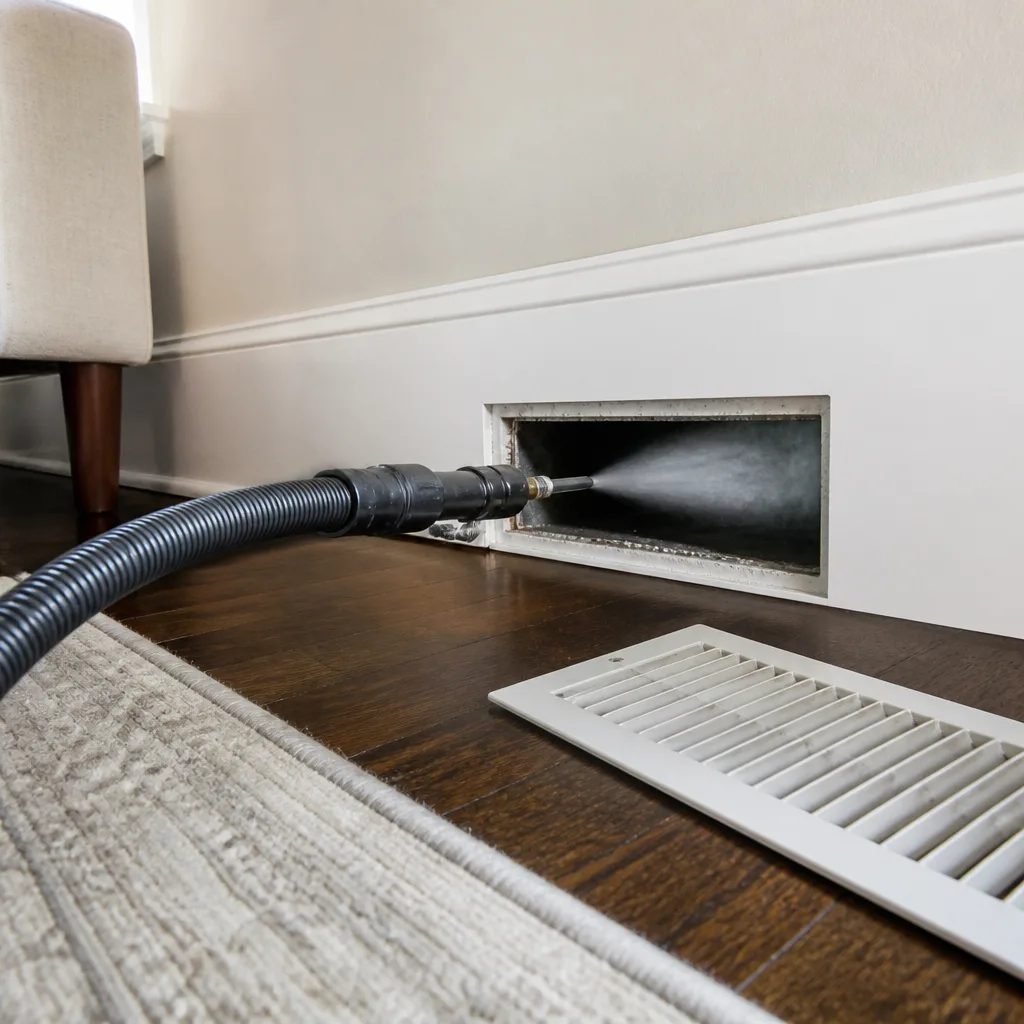 Sanitizing & deodorizing
Whole-system duct and dryer vent check with before-and-after photos - you see exactly what came out of your vents
That "$99 whole-house special" is a bait ad - the real number appears once they are in your hallway, or the "clean" is a shop-vac at the register. We photograph the inside of your ducts before and after instead.
Air Duct Cleaning Emergency Preparedness Guide for Murray Homes
Here’s the gap we run into after every big event in Murray. A homeowner calls a restoration company the morning after a fire, a flood, or a smoke event, and the restoration crew handles what they can see: drywall, flooring, furniture, insulation. Nobody looks at the duct system. And that’s the problem, because the ducts are the one part of the house that touches every room at once. The HVAC runs, and whatever is sitting inside those ducts gets pushed into every bedroom, the kitchen, the basement, all of it. This guide is about closing that gap. We’ll walk through the three emergency scenarios that matter most in Murray, how to shut the system down safely, and what a real post-event duct assessment looks like.
Quick Answer
After a structure fire, major flood, or heavy wildfire smoke event, shut the HVAC system off rather than running it, and have the duct system inspected by a trained technician before restarting it. In Murray, the three event types that most often require this are seismic activity that can shift duct joints, wildfire smoke infiltration from the Wasatch Front, and floodwater contact from the Jordan River corridor. Emergency duct work is different from routine cleaning: it uses different equipment, follows different safety protocols, and produces written documentation your insurer can act on.
Styles & brands we work with
- Whole-home duct cleaning
- Dryer vent cleaning
- Camera inspection
- Sanitizing & deodorizing
Table of Contents
- Why Duct Systems Get Overlooked in an Emergency
- The Three Murray Emergency Scenarios That Require Duct Shutdown and Inspection
- How to Operate (or Not Operate) Your HVAC After an Event
- Emergency Duct Remediation vs. Routine Cleaning
- Documenting Duct Damage for an Insurance Claim
- Pre-Event Preparation: The Work That Pays Off Later
- Wildfire Smoke and the Homes It Leaves Behind
- When to Call a Professional
Why Duct Systems Get Overlooked in an Emergency
Ductwork is invisible, and that’s the whole reason it gets skipped. When a restoration crew walks through a damaged house, they’re trained to look at what presents visually: standing water, charring, soot film on walls, wet drywall, compromised structural framing. All of that is obvious and all of it drives the estimate. Ducts sit behind drywall, above ceilings, and under floors. They don’t announce themselves.
The second reason is that the duct system doesn’t fail loudly. A house with contaminated ducts looks normal from the inside. The HVAC kicks on, air comes out of the registers, and the room heats or cools like it always did. What changes is what’s floating in the air. After a fire, that’s smoke particulate, and it tends to be finer and more persistent than most people expect because it deposits on the interior walls of ductwork and holds there. After a flood, it’s often mold spores and sewage aerosols if the water contained waste. After a heavy wildfire smoke event, it’s fine particulate pulled into the return side and settled into the system.
Those contaminants don’t stay put. Every time the blower runs, they cycle out into occupied rooms. Restoration pros call this cross-contamination, and it’s a well-known failure mode when ducts are excluded from the scope of work. For a Murray homeowner, the practical takeaway is this: if you had a fire, a flood, or a serious smoke event, the duct system belongs on the punch list, not as an afterthought but as a line item with documentation.
We’ve seen this pattern in Murray going back a long way, and it doesn’t change with the size of the house or the age of the HVAC. A tight newer build with a fully sealed duct system holds particulate the same way an older home does; the ducts don’t care. When an air duct cleaning assessment is called in after an event, the first thing our technicians look at is whether the system was running during the event. If it was, contamination spread through the whole house. If it wasn’t, contamination is typically concentrated in the return trunks and near the air handler.
The Three Murray Emergency Scenarios That Require Duct Shutdown and Inspection
Murray sits in a specific place with a specific set of hazards. These three are the ones that drive real duct-system emergencies here, and they call for the same first move every time: turn the HVAC system off.
1. Seismic Events That Shift Duct Joints
Murray is in an active seismic zone, and the Wasatch Front fault system runs nearby. Most duct systems are built with flexible joints and hangers that are designed to give slightly during a quake, but they don’t always give the right way. A hard jolt can pop a joint apart, pull a run loose from a hanger, or crack the sealant at a boot. When that happens, the duct system starts leaking air into wall cavities and crawlspaces instead of into the rooms it’s supposed to serve. That means higher energy bills, moisture intrusion into places that shouldn’t be wet, and a loss of pressure that makes the whole system work harder.
After a noticeable seismic event in Murray, the sequence is:
- Turn the HVAC system off at the thermostat first, and then at the breaker if the thermostat doesn’t respond.
- Check the visible return and supply registers for signs of soot, dust, or debris being pulled in.
- Walk the mechanical space and look at duct runs where you can see them for disconnected joints or sagging runs.
- Do not restart the system until a technician has confirmed the joints are intact.
We’ve handled post-seismic inspections in Murray where the visible ducts looked fine but a joint had shifted behind a ceiling drywall. You can’t diagnose that from a walkthrough. It needs a camera inspection.
2. Wildfire Smoke Infiltration
Wildfire smoke events pull fine particulate up and down the Wasatch Front, and Murray gets its share. The smoke that reaches the valley is often in the PM2.5 range, which means it’s small enough to ride on the air through the return grilles and settle inside the duct system. Filters catch some of it, but only some. The rest deposits on duct interior walls, where it acts as an ongoing source of odor and particulate every time the blower runs.
A home that ran its HVAC during a heavy smoke event is the classic case. The filters may look loaded, but the interior of the ducts is what’s holding the smoke smell. We’ve seen homes in Murray where the smell lingered for weeks after the outdoor air cleared, purely because the duct system kept re-releasing it. Shutting the system off during the event is the single best prevention. After the event, the right move is inspection, and if there’s persistent odor, a full-system clean plus sanitizing.
3. Floodwater Contact from the Jordan River Corridor
Murray sits along the Jordan River, and catastrophic flooding isn’t hypothetical here. When floodwater reaches a home’s lower level or crawlspace and touches ductwork, the ducts have to be treated as contaminated, period. Floodwater carries silt, organic matter, and microbial content, and any duct run that was submerged or in contact with it needs a proper assessment before the HVAC system is restarted.
The dangerous part is that a homeowner often doesn’t know the ducts were touched. A crawlspace that flooded six inches above the floor can wet the bottom of a trunk line without ever reaching the register boots upstairs. Running the system pulls moisture and microbial content through the whole house. If there’s any chance floodwater reached the duct system, the correct move is to keep the HVAC off and call for a professional assessment. This is also the scenario where duct repair and sealing usually comes in alongside cleaning, because floodwater sitting against joints and seams compromises the seals.
How to Operate (or Not Operate) Your HVAC After an Event
The default answer after a fire, flood, or major smoke event is to leave the HVAC system off until it’s been assessed. The one exception is a system with confirmed-clean ducts that’s being used to move filtered air. In every other case, running the system spreads contamination.
If you’re not sure whether the ducts took on contamination, the safest sequence is simple:
- Turn the system off at the thermostat, and then at the breaker.
- Keep windows and doors closed to prevent additional intake.
- Do not run the fan in “on” or “circulate” mode. That pulls air through the system continuously and distributes anything sitting inside.
- Change the filter once the system is off, if you can reach it easily. A loaded filter restricts airflow and compounds the problem.
- Wait for a professional assessment before restarting.
If a professional has already confirmed the ducts are clean, running the system with a fresh filter is fine and even helpful for humidity control. The distinction matters because a lot of homeowners understandably want the system back on for comfort, especially in the summer. We get it. The comfort has to come second to not redistributing contamination.
One more point worth flagging: if an HVAC tech or restoration company suggests running the system to “dry out” a flooded area, push back. Running air through a duct system that’s been in contact with floodwater doesn’t dry it; it distributes material into the house. Professional air movers and dehumidifiers are used inside the affected space, not the duct system.
Emergency Duct Remediation vs. Routine Cleaning
Emergency remediation is a different job than a scheduled air duct cleaning. They use similar equipment, but the process, safety protocols, and documentation are all built around the fact that the ducts are contaminated in a way that matters to the occupant’s health and to the insurance carrier handling the claim.
What’s Different About Emergency Work
- Equipment: Emergency and post-event remediation requires negative-pressure containment so that dislodged particulate doesn’t blow back into occupied rooms during cleaning. We use Abatement Technologies air scrubbing systems and Rotobrush and Nikro cleaning systems for this reason; they’re the same category of equipment used in professional abatement work.
- Safety protocols: Technicians working a contaminated system wear proper respiratory protection and the workspace is contained. In a routine clean, the safety focus is on the home’s occupants and preventing a mess. In emergency remediation, the safety focus is on both the occupants and the technicians.
- Sanitizing: A routine clean ends with clearing the ducts. An emergency remediation usually ends with sanitizing using products from a known line (we work with Guardsman and Abatement Technologies). The application depends on what the ducts were exposed to, and it’s not a blanket process.
- Documentation: Emergency remediation produces a written report with before-and-after photos, product documentation, and a description of work that an insurance adjuster can act on. A routine cleaning typically produces a receipt and maybe a photo or two.
- Scope: Emergency work is nearly always whole-system: air ducts, HVAC cabinet and coil, dryer vent if it was in the affected area, and sealing where joints or seams are compromised. Routine cleaning can be scheduled as one piece.
Where the Systems Interact
An emergency remediation almost always pulls in the full HVAC cleaning category alongside the ducts, because the air handler and coil sit in the same airflow path. If the ducts are contaminated, the cabinet usually is too. The dryer vent cleaning question also comes up after a flood or fire, since dryer vents are often run through wall cavities that take on smoke or water. In our experience, the homeowner who asks for all of these at once ends up with a cleaner, more complete result and a simpler insurance claim, because the work was scoped and documented as one system.
Documenting Duct Damage for an Insurance Claim
Insurance adjusters handle duct claims on the basis of documentation, not on the basis of how bad the homeowner thinks it looks. If you want duct remediation covered, the file has to tell the story in the language the adjuster reads. Here’s what to build.
Photos to Take Before Anything Is Cleaned
- Wide-angle shots of each affected room, including registers, before anything is moved or cleaned.
- Close-up shots of every register that shows visible soot, debris, water staining, or discoloration.
- Shots of the visible duct runs at the mechanical space, especially any spots where a joint is separated or a seam is compromised.
- Shots of the filter as you pull it, showing loading and any staining or odor source.
- Water lines or soot deposition patterns that show how far contamination traveled.
- Date and time stamps enabled on your camera or phone for every photo.
What a Contractor’s Written Report Should Contain
A proper post-event duct report isn’t a paragraph on an invoice. It should include:
- Type of event and date, as confirmed with the homeowner.
- Description of the duct system (trunk-and-branch, flexible, rigid, count of runs, zones).
- Visible evidence documented during inspection.
- Camera inspection findings if internal conditions were checked.
- Scope of remediation work, including the equipment used and the sanitizing products applied.
- Before-and-after photos keyed to the specific photos on file.
- Technician name (or truck/team identifier) and the date work was completed.
- A statement that the work was performed to industry-standard practice.
This is the report you hand to your adjuster. It’s also the report that protects you if a future buyer’s home inspector asks about post-event remediation. Keep a copy in the home file. If you’re uncertain how to raise the duct scope with your carrier, call us before you file anything: we can walk through the report format in advance, and it’s a lot easier to start the process with the right documentation structure.
Pre-Event Preparation: The Work That Pays Off Later
Everything up to this point is about the aftermath. This section is about what you can do before an event, when nothing is urgent and you can take your time. In Murray, where the hazard mix includes seismic activity, wildfire smoke, and flooding, this prep work pays off disproportionately.
Step-by-Step Pre-Event Checklist
- Know your duct layout. Ask for a simple sketch: where the air handler is, where the main trunk runs, where each of the branch runs goes, and where the returns are located. A technician can produce this in a single visit if you don’t have one. Keep it taped inside the mechanical closet door.
- Label your shutoffs. Label the HVAC breaker at the panel, the gas shutoff at the appliance, and the main water shutoff. Photograph your panel with the labels visible so anyone in the household can find the right one under stress.
- Seal exterior penetrations. Duct runs and ventilation terminations that penetrate the exterior sheathing are entry points for wildfire smoke and water. A small amount of high-quality sealant at the wall penetration and around any duct boot is a cheap, quick fix.
- Upgrade filter access. Make sure you have a spare filter sized and ready. A loaded filter during an event compounds contamination. Know where the filter slot is and how the filter seats.
- Photograph the interior of your home now. A full walkthrough photo set, taken before any event, makes post-event documentation dramatically easier. You’ll have baseline photos to show what changed.
- Set up a home file. Keep insurance documents, duct layout sketch, filter sizes, and appliance model numbers in one folder, physical or digital.
- Schedule a pre-event duct assessment if the system has never been cleaned. A duct system that starts clean before an event recovers dramatically better than one that was already loaded.
Why This Matters More in Murray
Wildfire smoke events are the most common of the three hazards here, and they can be predicted hours or days ahead. Pre-event duct prep means you can stage your response: filter changed, windows sealed, system ready to shut off. Seismic activity and flooding give less warning. When there’s no warning, the prep work you did before the event is the entire response plan. That’s the argument for doing it now.
Wildfire Smoke and the Homes It Leaves Behind
Of the three scenarios, wildfire smoke is the one Murray homeowners deal with most. The reason is that smoke arrives with a warning and hangs around, and most people don’t think to shut their HVAC system down and turn it back on again. In practice, a smoke event stretches over days, so the system runs a full cycle while particulate concentration is elevated.
What we look at in a smoke-infiltrated home depends on how the ducts looked going into the event. If the ducts were recently cleaned and the homeowner kept the system off during the event, inspection usually finds clean ducts and a loaded filter. If the system was running throughout the event, the interior of the ducts is what tells the story. Odor is the most reliable indicator from the homeowner’s side. Persistent smoke smell after outdoor air clears, or smell that appears within minutes of the HVAC turning on, points to duct contamination.
For a smoke-affected home, the right sequence is inspection first, cleaning second, and sanitizing only where warranted. Some homes only need the filter changed. Others need the ducts cleaned and sanitized, particularly when the interior walls of the ductwork show visible deposition. We’ve had customers in Murray call us back weeks after a smoke event because the smell never went away, and a full-system clean with sanitizing cleared it. The earlier that work happens, the less particulate sets into the system and the less thoroughly it needs to be removed. If you’re sitting on a smoke-affected home you haven’t had inspected, call (833) 984-2965 and we’ll walk you through what to check.
See the difference
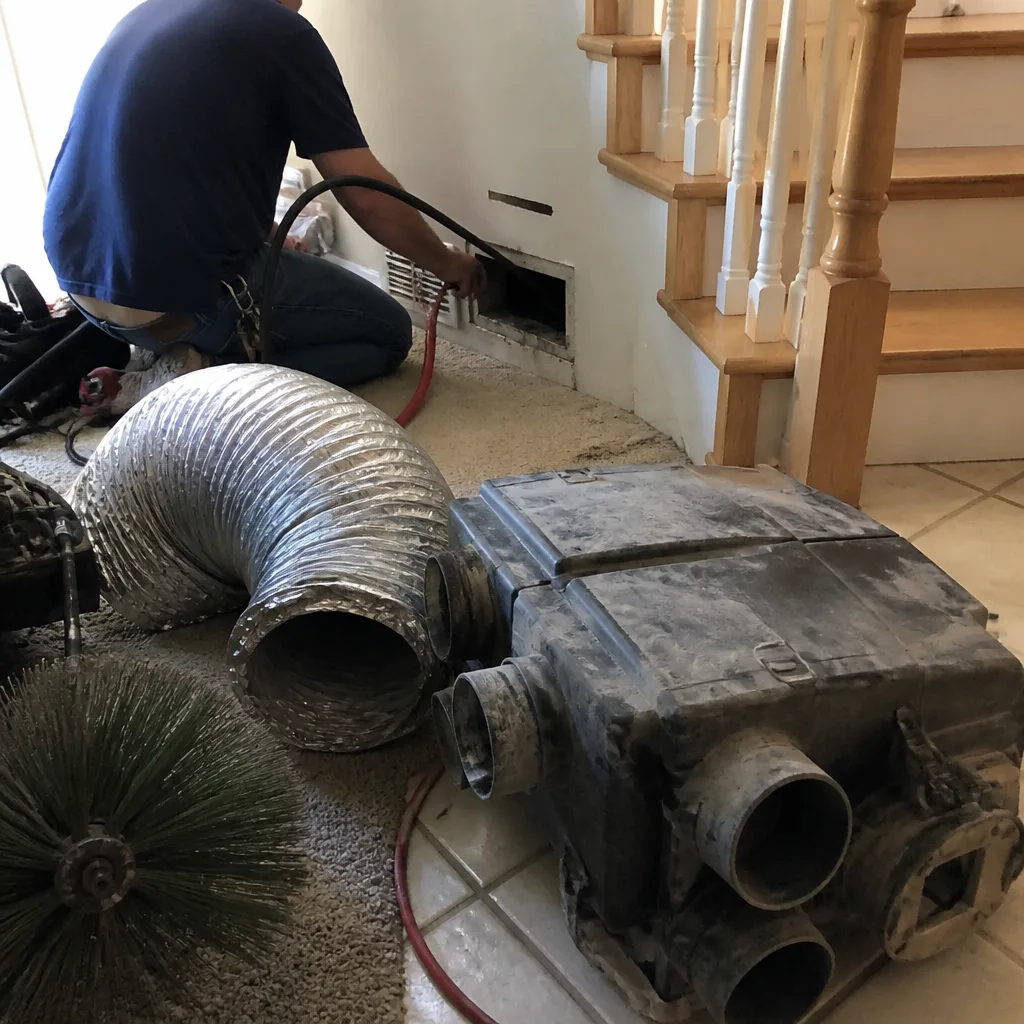 Before
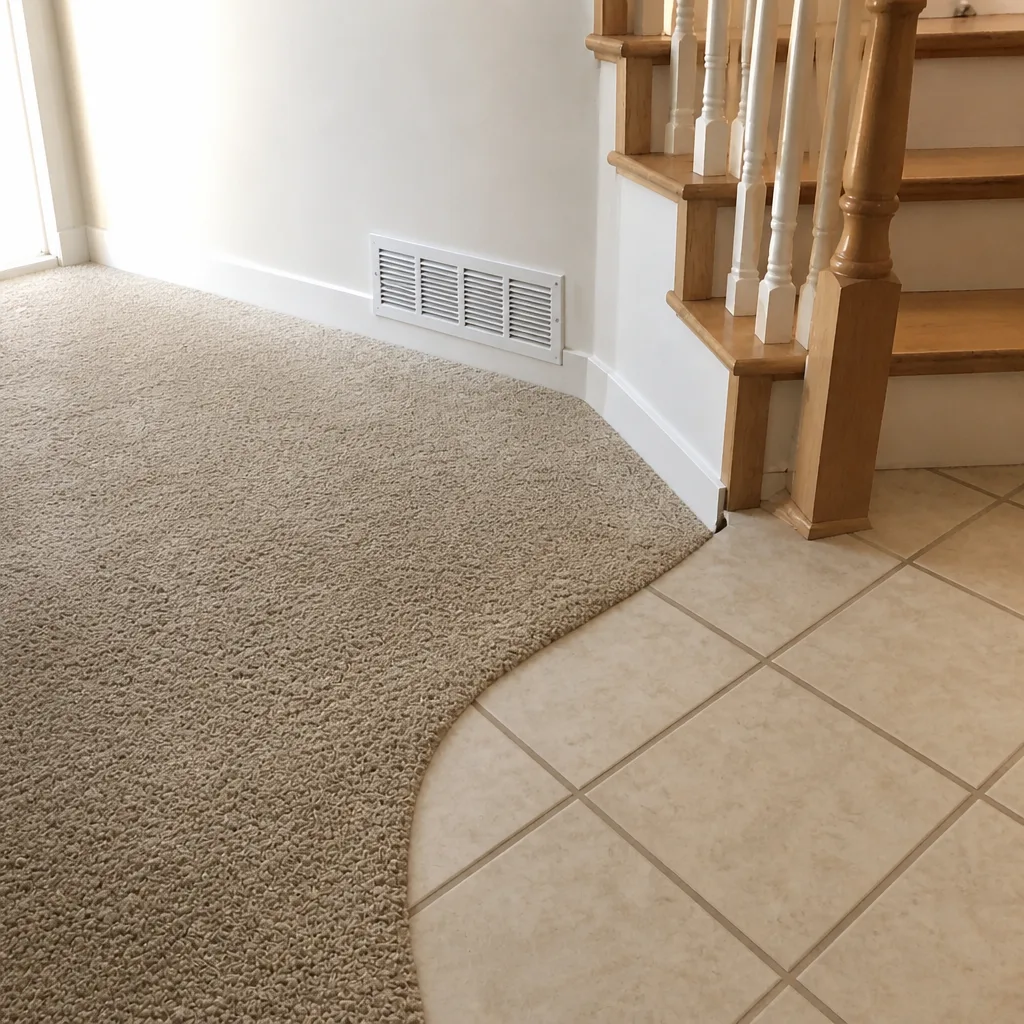 After
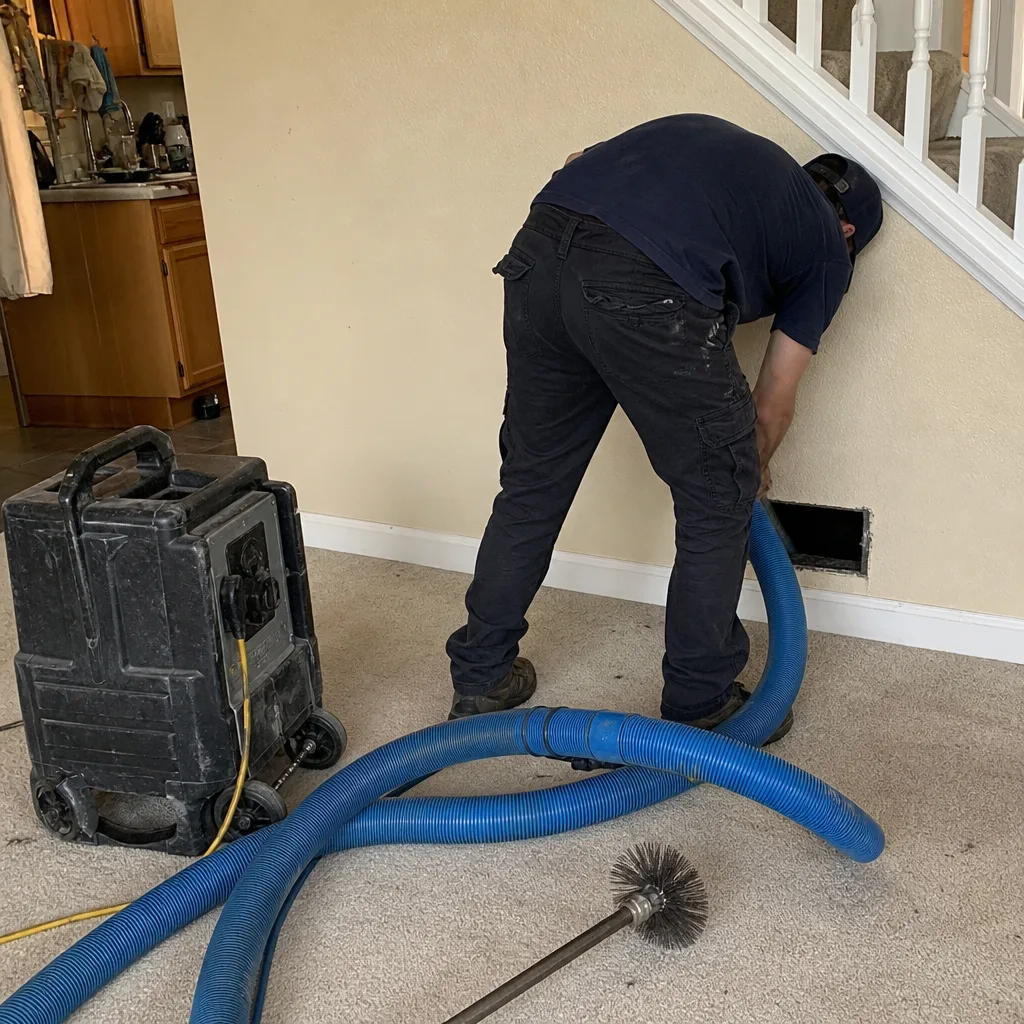 Before
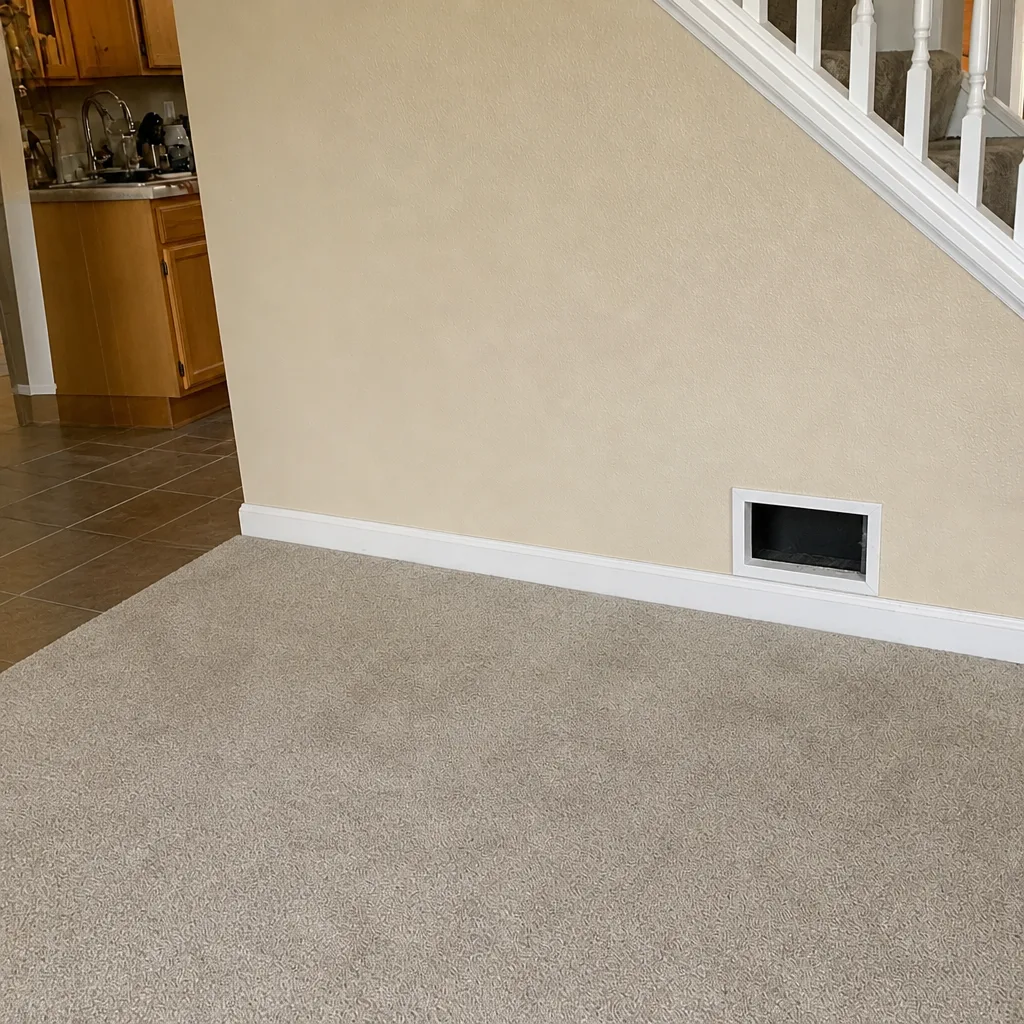 After
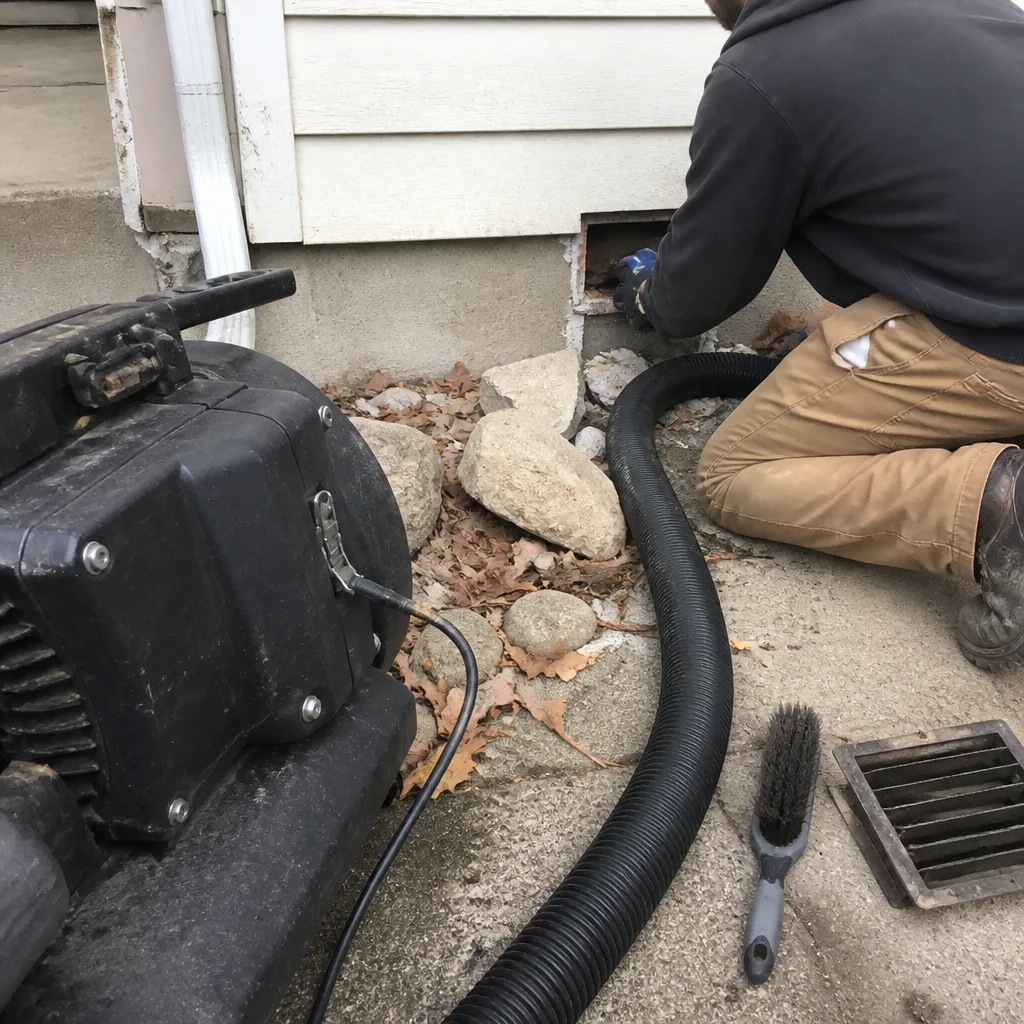 Before
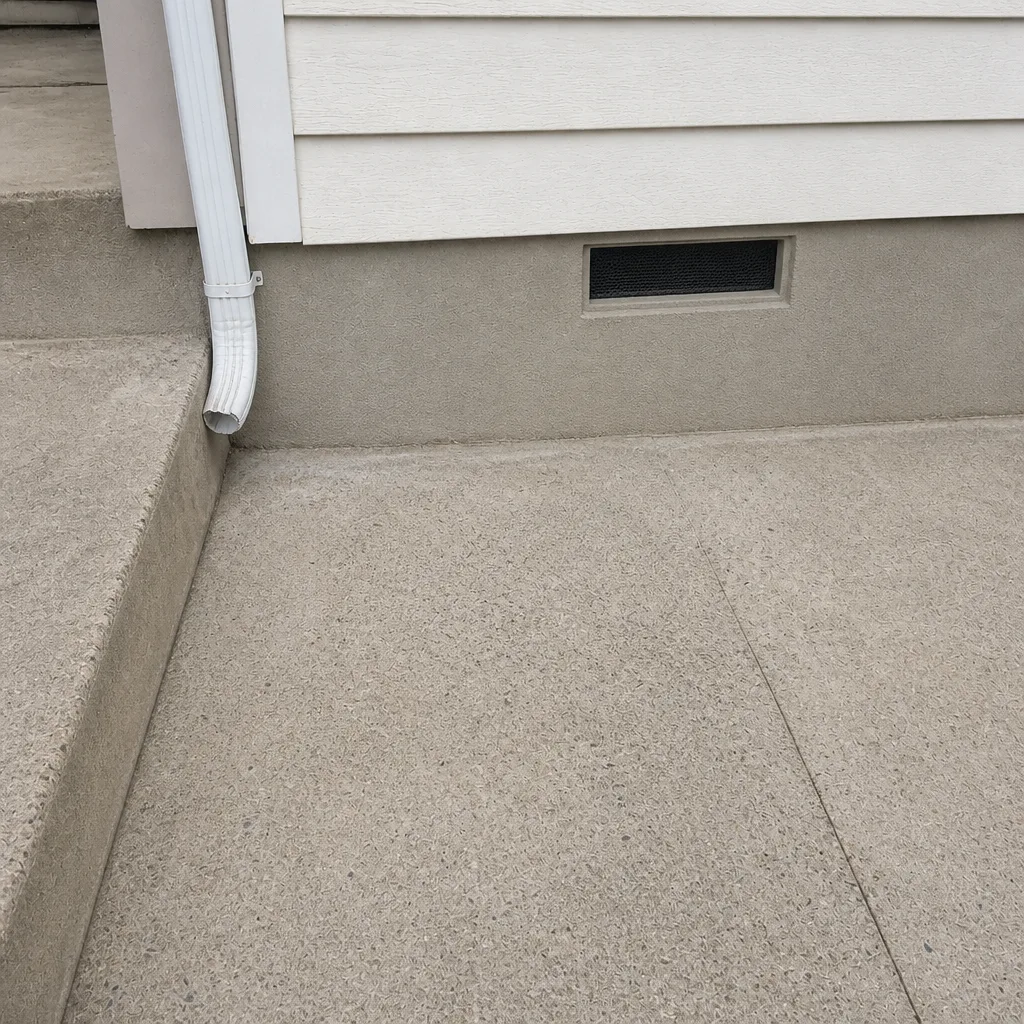 After
Common Mistakes to Avoid
- Restarting the HVAC before a professional inspection. This is the single most common mistake. Restarting the system distributes contamination that would have stayed put, and it turns a relatively contained remediation into a whole-house problem.
- Treating the ducts as part of the visible damage rather than a separate system. Restoration crews work on visible damage; they don’t necessarily scope the ducts. Ask specifically whether the duct system is on the restoration scope, and don’t assume it is.
- Running the fan in “on” or “circulate” mode after an event. A lot of homeowners think moving air improves things. After a contamination event, it distributes the contamination. Keep the fan off until a technician confirms the ducts are clean.
- Documenting damage after the cleanup starts. Photos of the “before” state are the basis of an insurance claim, and they can’t be recreated once cleaning has begun. Take them first.
- Assuming a filter change is enough. A filter captures what passes through it. It doesn’t clear what’s already settled inside the ducts. In a post-event home, filter changes are part of the fix, not the whole fix.
- Ignoring nearby homes after a shared event. In a Murray neighborhood where several homes went through the same flood or smoke event, the configuration of systems is similar and the timing matters. If your neighbors are having work done, have yours inspected while the context is fresh.
- Restarting the system in a home that took on floodwater at the crawlspace level. If there’s any chance the ducts were in contact with floodwater, keep the system off. This is a case where a professional assessment is not optional.
When to Call a Professional
Call a professional if the HVAC was running during a fire, flood, or wildfire smoke event; if there’s any chance the duct system came into contact with floodwater; if there’s persistent smoke or mildew odor after the outdoor air has cleared; if the system has started making noise or losing pressure since a seismic event; or if the house is being entered after standing empty through a flooding event. Each of these points to a condition that only a technician with a camera can diagnose. The Murray Air Duct Cleaning Co team offers free estimates in Murray, and we can tell you on the call what documentation we’ll produce for your insurer. Call (833) 984-2965. We answer 24/7. Fast dispatch from 7am to 7pm, Sunday through Friday. Closed Saturday, and we’ll book you into the next opening if a call lands outside dispatch hours.
Frequently Asked Questions
Only if the HVAC system was running during the event or if you notice persistent smoke odor after the outdoor air clears. If the system was off throughout and the ducts were already clean before the event, a filter change is usually enough. Have it inspected before assuming either way.
Not until a technician confirms the ducts weren’t touched. Floodwater doesn’t have to submerge a duct to contaminate it; wet conditions in a crawlspace or mechanical space can be enough. Keep the system off and have it assessed.
Emergency work uses negative-pressure containment, different safety protocols, sanitizing where warranted, and produces a written report formatted for an insurance claim. Regular duct cleaning focuses on the cleaning itself. The air duct cleaning scope is the closest overlap between the two.
Coverage depends on your policy and the type of event. Fire, wind, and water damage tied to a covered event typically apply if the ducts are documented as part of the loss. Your policy dictates the answer; we can provide documentation in the format your adjuster needs.
Disconnected joints, sagging runs, and pressure loss after the event point to repair rather than cleaning. A camera inspection at the joints is the only reliable diagnostic. Our Duct Repair & Sealing work is built around this: we diagnose and fix rather than clean and leave.
As soon as the outdoor air clears and the event has passed. Call (833) 984-2965 and we’ll schedule the inspection. The estimate is free, and the price is set per job by the written estimate once we’ve seen the system.
The Bottom Line
Duct-system emergencies in Murray fall into three buckets: seismic events that can shift joints, wildfire smoke that settles into ductwork, and floodwater that contaminates anything it touches. In all three, the first move is the same: shut the HVAC system off and call for an assessment. The second move is documentation, before anything gets cleaned. The third is a proper remediation that includes negative-pressure containment, appropriate sanitizing, and a written report an insurer can act on. Pre-event prep makes the whole thing easier: know your duct layout, label your shutoffs, seal exterior penetrations, keep baseline photos. Do the prep now. When an event happens, you’ll be making decisions with information rather than panic. For an honest assessment of a duct system that’s been through something, call (833) 984-2965. Estimates are free, and the price is set per job by the written estimate.
Written by the team at Murray Air Duct Cleaning Co.