
Last updated November 24, 2026
 Whole-home duct cleaning
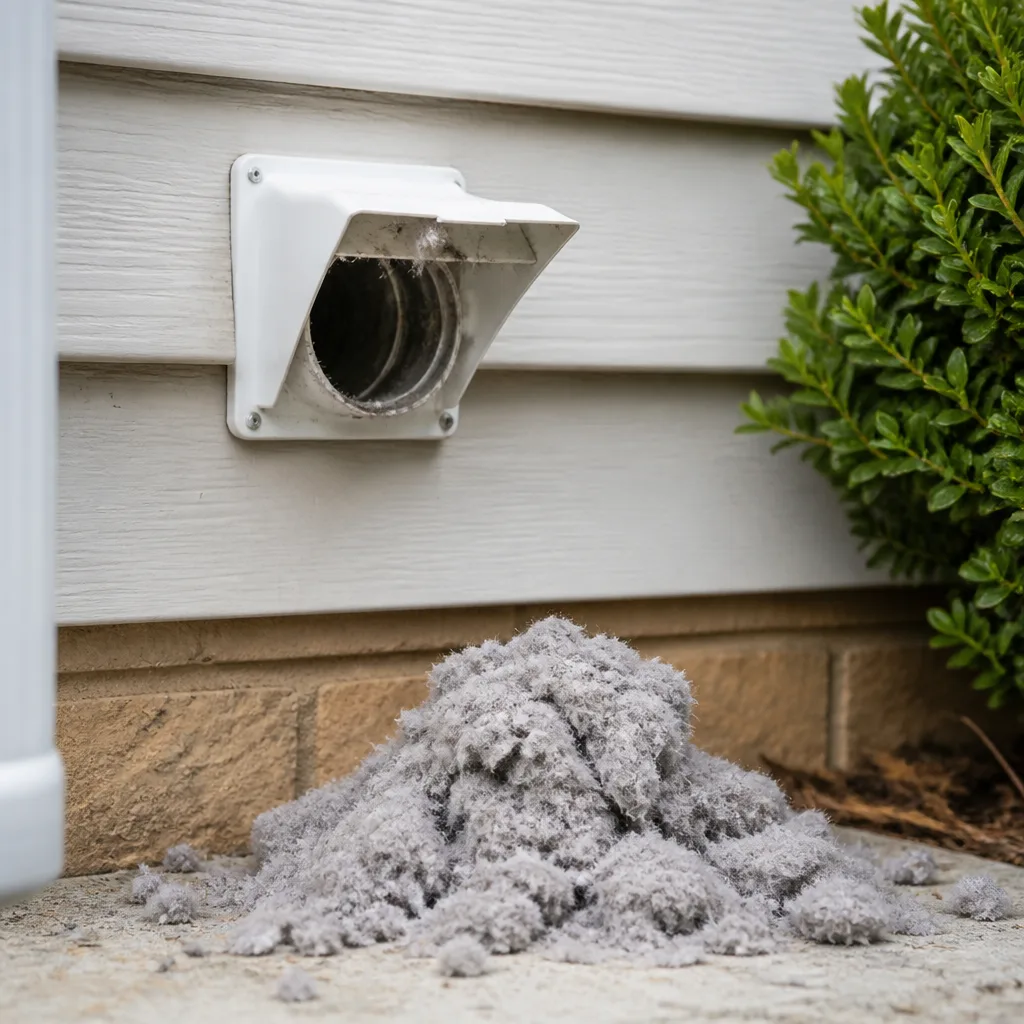 Dryer vent cleaning
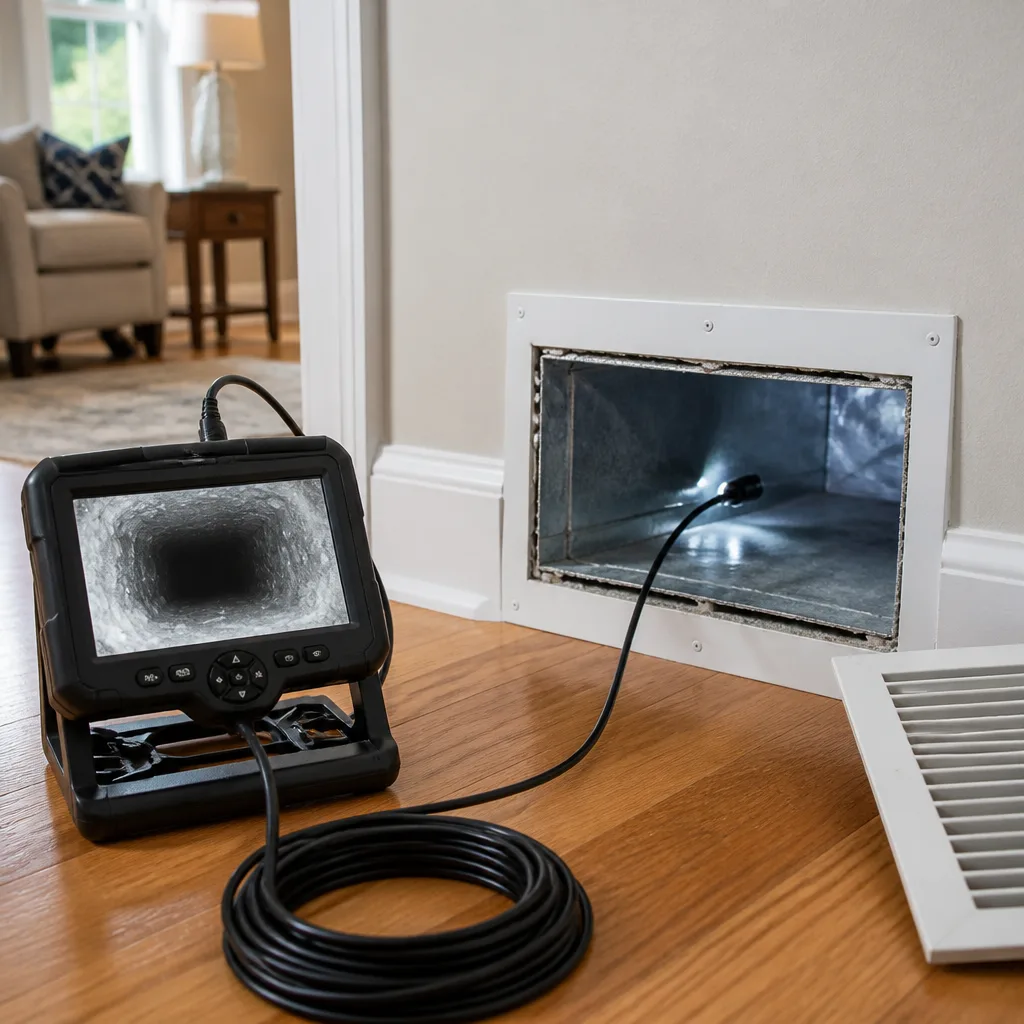 Camera inspection
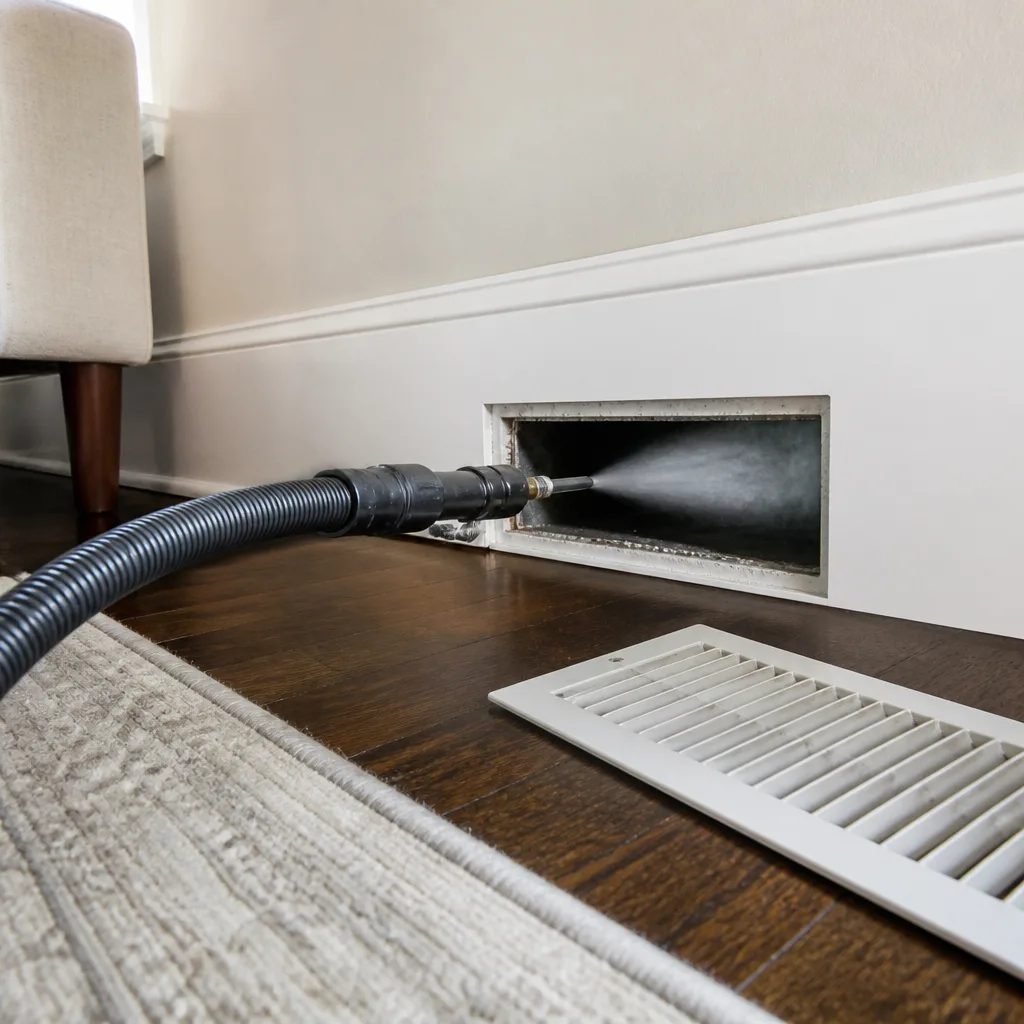 Sanitizing & deodorizing
Whole-system duct and dryer vent check with before-and-after photos - you see exactly what came out of your vents
That "$99 whole-house special" is a bait ad - the real number appears once they are in your hallway, or the "clean" is a shop-vac at the register. We photograph the inside of your ducts before and after instead.
Air Duct Cleaning Permits, Codes & Inspections in Murray, UT: What You Need to Know
Most Murray homeowners ask us the wrong question first. They want to know whether cleaning their ducts requires a permit. In nearly every case, it doesn’t. The question that actually matters is different: does any of the work being recommended beyond cleaning require one? That’s where people get into trouble. Duct replacement, new branch runs, air handler relocation and combustion venting changes all cross into permitted mechanical work, and unpermitted modifications have a way of surfacing at the worst possible moment, usually during a home inspection or an equipment warranty claim. This guide walks through how permitting actually works in Murray, which duct-related work triggers it, and how to protect yourself from a contractor who’d rather skip the paperwork.
Quick Answer
Air duct cleaning itself generally does not require a permit in Murray, UT, because it’s maintenance of an existing system rather than an alteration to it. However, duct replacement, adding new branch runs, relocating an air handler or modifying combustion appliance venting typically does require a mechanical permit through Murray City. The key distinction is whether the work changes the system or simply cleans it.
Styles & brands we work with
- Whole-home duct cleaning
- Dryer vent cleaning
- Camera inspection
- Sanitizing & deodorizing
Table of Contents
- Where the Permit Line Falls in Murray
- Who Enforces What: Murray City vs. Salt Lake County
- Which Duct Work Triggers a Permit
- What a Mechanical Inspection Actually Checks
- How Unpermitted Work Shows Up at Sale
- How to Verify Your Contractor Pulls Permits
- IAQ Upgrades and Their Permit Thresholds
- Common Mistakes to Avoid
Where the Permit Line Falls in Murray
The permit line in Murray sits between maintenance and modification. Cleaning falls on the maintenance side. Altering the system falls on the other. That sounds simple, and for a straightforward cleaning job it is. The confusion starts when a technician finds a crushed return trunk, a disconnected branch, or a run that was never sized correctly in the first place. Suddenly the conversation shifts from cleaning to repair, and repair work has different rules.
We’ve watched this play out for years. A homeowner books air duct cleaning expecting a straightforward visit. Then the technician points out that a section of flex duct has collapsed behind a soffit, or that the previous homeowner spliced in a run that’s choking airflow to half the house. Fixing that properly means removing and replacing ductwork, and in Murray that is a permitted mechanical alteration.
Here’s the distinction in practical terms:
- Cleaning existing ductwork: No permit. You’re removing debris from a system that already exists and isn’t changing shape.
- Sealing leaks and joints: Generally no permit when it’s mastic or tape applied to existing seams. Structural changes to how a duct is routed do cross the line.
- Replacing a section of duct: Usually requires a mechanical permit, because you’re altering the system’s configuration.
- Adding a new branch run: Requires a permit. You’re changing the system’s design and its load calculations.
- Relocating an air handler or furnace: Requires a permit, and often involves both mechanical and electrical review.
The line isn’t always obvious to a homeowner, which is exactly why it’s worth asking the question directly. A contractor who can explain where that line falls in your specific situation is a contractor who understands the code. One who waves it off probably doesn’t.
Who Enforces What: Murray City vs. Salt Lake County
Murray City operates its own building department and enforces the mechanical code within city limits. That matters because Murray is one of the incorporated cities in Salt Lake County that hasn’t deferred everything to the county. For homeowners here, that means permits for mechanical work are typically pulled through Murray City rather than Salt Lake County.
The split isn’t unusual in Utah. The state adopts a mechanical code, and individual municipalities enforce it within their boundaries. Murray handles its own review and inspection. Salt Lake County handles unincorporated areas and provides certain services under agreement. If you want to be certain about your specific property, a call to the Murray City building department settles it in minutes. They will tell you plainly whether your address is under city jurisdiction and whether the work you’re describing needs a permit.
What typically stays with the city:
- Mechanical permits for duct alterations, replacements and new installations
- Inspections of that mechanical work
- Electrical permits for related equipment like air handlers and control wiring
What often involves the county or state:
- Gas line work connected to a furnace or water heater, which has its own licensing requirements
- Combustion venting review where it ties into gas appliance installation
We mention the jurisdiction split because homeowners in Murray sometimes assume everything runs through the county and get surprised when they need a city permit. Knowing which office to call saves a phone call and, more importantly, prevents someone from telling you a permit isn’t needed because they checked with the wrong agency.
Which Duct Work Triggers a Permit
Four categories of duct-related work most reliably trigger a permit in Murray. If your job involves any of these, ask about permitting before work begins, not after.
- Duct replacement. Removing and installing new ductwork changes the system. Even a partial replacement of a trunk line or a major branch is an alteration that requires review. This comes up often in older Murray homes where original ductwork has deteriorated or where a previous remodel left something undersized.
- New branch runs. Adding a supply or return to a room that never had one changes the system’s air balance and load. That’s a design change, and it needs a permit plus an inspection confirming the work matches the approved plan.
- Air handler relocation. Moving a furnace or air handler, whether to a different closet, the attic, or a mechanical room, is a significant alteration. It affects duct routing, electrical connections and sometimes gas piping. Plan on a permit for this one.
- Combustion appliance venting. If your furnace or water heater vents through a flue that runs alongside or through ductwork, any change to that venting arrangement needs review. This is a safety issue as much as a code issue, and it’s the category where cutting corners carries the highest risk.
Notice that none of these are cleaning. Cleaning removes debris. These four change the system’s geometry, capacity or safety characteristics. That’s the distinction the code cares about, and it’s the distinction that separates a maintenance visit from a construction project.
One more thing worth saying plainly: gas piping and combustion venting are genuinely dangerous to modify without training. If your job involves moving a furnace or rerouting a flue, that portion belongs with a licensed professional who pulls the right permits. We don’t recommend homeowners attempt any of it, and we won’t walk you through doing it yourself.
What a Mechanical Inspection Actually Checks
A mechanical inspection isn’t a rubber stamp. An inspector looks at whether the installed work matches what was permitted and whether it meets code. For duct-related work in Murray, that typically means checking a handful of specific things.
- Duct sizing and airflow. Are the new or replaced runs sized correctly for the equipment and the load? Undersized ductwork starves the system and drives up energy bills.
- Sealing and connections. Are joints sealed, are connections secure, and is there any leakage at the plenum or at transitions?
- Support and clearance. Is the ductwork properly supported, and does it maintain required clearances from combustibles and from equipment?
- Combustion venting. Where applicable, does the flue routing meet clearance requirements and terminate correctly?
- Equipment connections. Is the air handler or furnace connected properly, with correct electrical and, where relevant, gas connections?
The inspector signs off on the work, and that sign-off becomes part of the property’s record. That record matters more than most homeowners realize until they go to sell. A permitted, inspected alteration is documented. An unpermitted one is a question mark that a buyer’s inspector will find.
We’ve seen inspections go smoothly when the contractor did the work right and pulled the permit up front. We’ve also seen the alternative, where a homeowner inherits someone else’s shortcut and has to sort it out years later. The first path is cheaper and quieter.
How Unpermitted Work Shows Up at Sale
Unpermitted duct modifications have a way of surfacing during a real estate transaction. A buyer’s home inspector walks the mechanical systems, notes ductwork that doesn’t match the original configuration, and asks a reasonable question: was this permitted? If the answer is no, the deal gets complicated.
What tends to happen next:
- The buyer requests documentation. If there isn’t any, the closing timeline stretches.
- The lender may require the work be permitted retroactively or corrected before funding.
- The seller ends up paying for an inspection and possible correction on work that was done years earlier.
- Appraisers sometimes flag unpermitted mechanical alterations as a condition of value.
Murray has a lot of housing stock from the mid-twentieth century, and plenty of it has been through one or more remodels. Ductwork added during a basement finish, a relocated furnace, a new return run: any of these could be permitted or could have been skipped. If you’re buying in Murray, it’s worth asking for permit records on any mechanical work. If you’re selling, getting ahead of the question saves a scramble.
For property managers overseeing rentals in Murray, this matters on a different timeline. An unpermitted alteration can affect insurance coverage and liability if something goes wrong. Documentation is worth having before there’s a reason to need it.
How to Verify Your Contractor Pulls Permits
Verifying that your contractor pulls permits is straightforward if you know what to ask. Do it before work starts, not after. Here’s the sequence we recommend.
- Ask directly whether the job requires a permit. A competent contractor will know or will find out. A contractor who says “permits aren’t needed for this kind of work” without checking is telling you something about how they operate.
- Ask who pulls the permit. In most cases the contractor pulls it, and the permit is issued in their name. If they ask you to pull it as the homeowner, that’s worth questioning.
- Request the permit number once it’s issued. Murray City can confirm a permit exists and what it covers. The number is the proof.
- Confirm the inspection gets scheduled. A permit without an inspection is an open item. Make sure the inspection is on the calendar before the job is considered finished.
- Get the final inspection record. When the job is done and inspected, the record is what protects you at resale.
A contractor who discourages permits is a liability, full stop. The reasons usually boil down to time, cost or not wanting the work reviewed. None of those reasons serve you. The homeowner carries the consequences at sale, at insurance renewal, or when something fails and the warranty claim gets denied because the modification wasn’t documented.
Our own approach is simple: we clean, and where we find a structural problem requiring repair, we tell you what it is and whether a permit is involved. Rubber-stamping a repair without the paperwork isn’t something we’ll do.
IAQ Upgrades and Their Permit Thresholds
Indoor air quality upgrades are where permit questions get genuinely murky. A UV system, a filtration upgrade, a whole-house humidifier: some of these need permits and some don’t, and the line depends on what’s being changed.
Here’s how we think about it:
- UV systems mounted inside existing ductwork or at the air handler: Typically require electrical work, so an electrical permit may apply depending on how the unit is powered. Mechanical code review is less consistent here, but the electrical side usually governs.
- Higher-MERV filtration upgrades: Usually no permit, because you’re changing a filter, not the system. Be careful, though: a filter that’s too restrictive for the blower can hurt performance. That’s a design question, not a permit question.
- Whole-house humidifiers tied into plumbing: Often requires a plumbing permit, and sometimes electrical as well, depending on the unit.
- Air scrubbers or media cabinets installed in the airstream: Whether a permit applies depends on whether the installation modifies the duct system’s configuration. A cabinet added in-line generally changes the system.
We work with Honeywell and Aprilaire equipment regularly, and the installation requirements vary by product line. The takeaway isn’t a universal rule; it’s that you should ask the question before installation, not after. The National Electrical Code governs the electrical side, and the mechanical code governs the airstream side. If either applies, there’s a permit to pull.
This is also where having one company handle the whole system pays off. When we clean with Rotobrush and Nikro equipment and then talk about filtration or sanitizing with Abatement Technologies products, we’re looking at the whole airstream as a system. A filtration upgrade that’s installed without regard to the ductwork it’s connected to is a product, not a solution.
Common Mistakes to Avoid
- Assuming cleaning needs a permit. It usually doesn’t. Spending the time on a permit application for a routine cleaning wastes your money and the city’s. Ask first; often the answer is no.
- Assuming repair doesn’t. The opposite mistake is more expensive. Duct replacement, new runs and equipment relocation almost always need a permit in Murray. Skipping it creates a paper trail problem that follows the property.
- Letting the contractor decide without asking. If your contractor tells you permits aren’t needed, ask them to explain why. A reasonable answer references the specific code and the jurisdiction. A vague answer is a warning.
- Pulling the permit in your own name. This usually shifts responsibility to you. The contractor who does the work should pull the permit.
- Skipping the final inspection. An open permit on a property can complicate a sale. Make sure the inspection gets done and the record is closed.
- Treating IAQ add-ons as permit-free by default. UV systems and humidifiers involve electrical and plumbing work, which have their own permit thresholds. Ask before, not after.
- Assuming county jurisdiction in Murray. Murray City enforces its own mechanical code in most of the city. A call to the wrong office produces a confidently wrong answer.
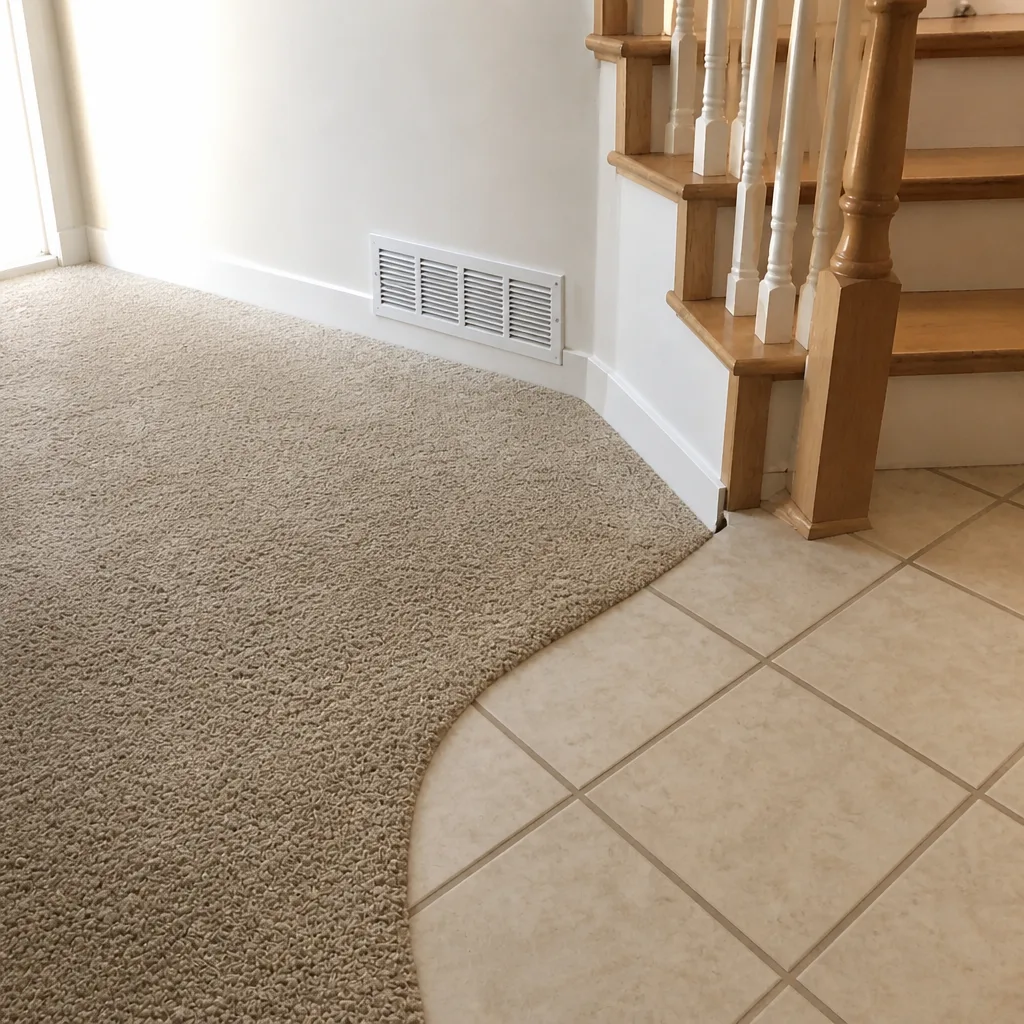
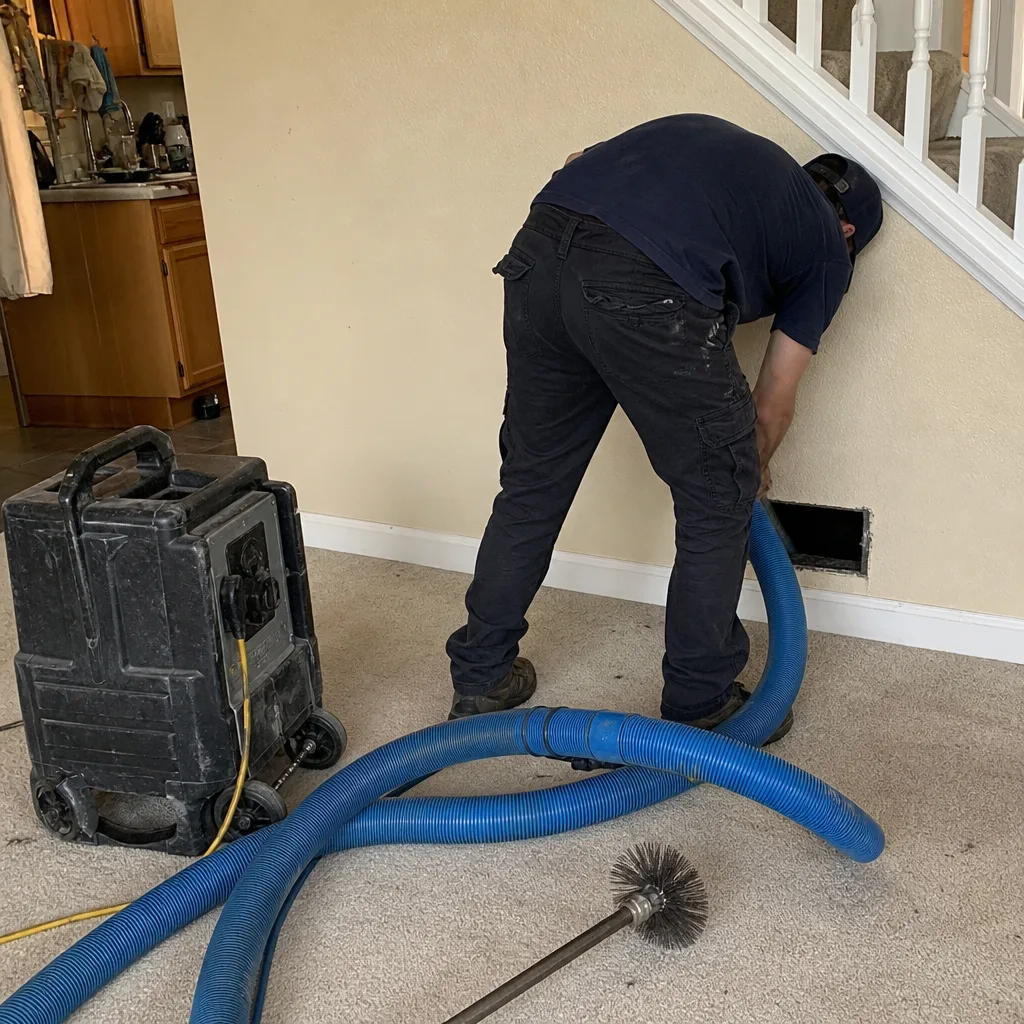
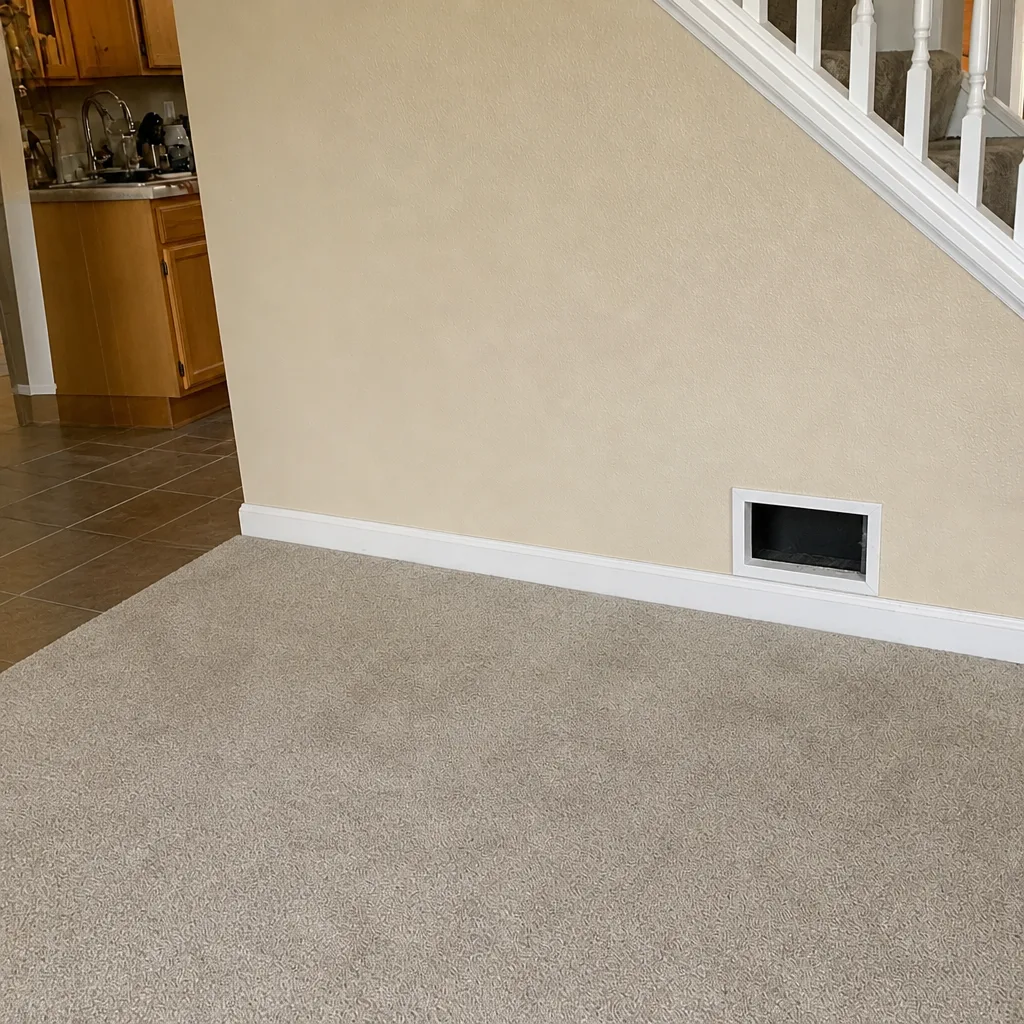
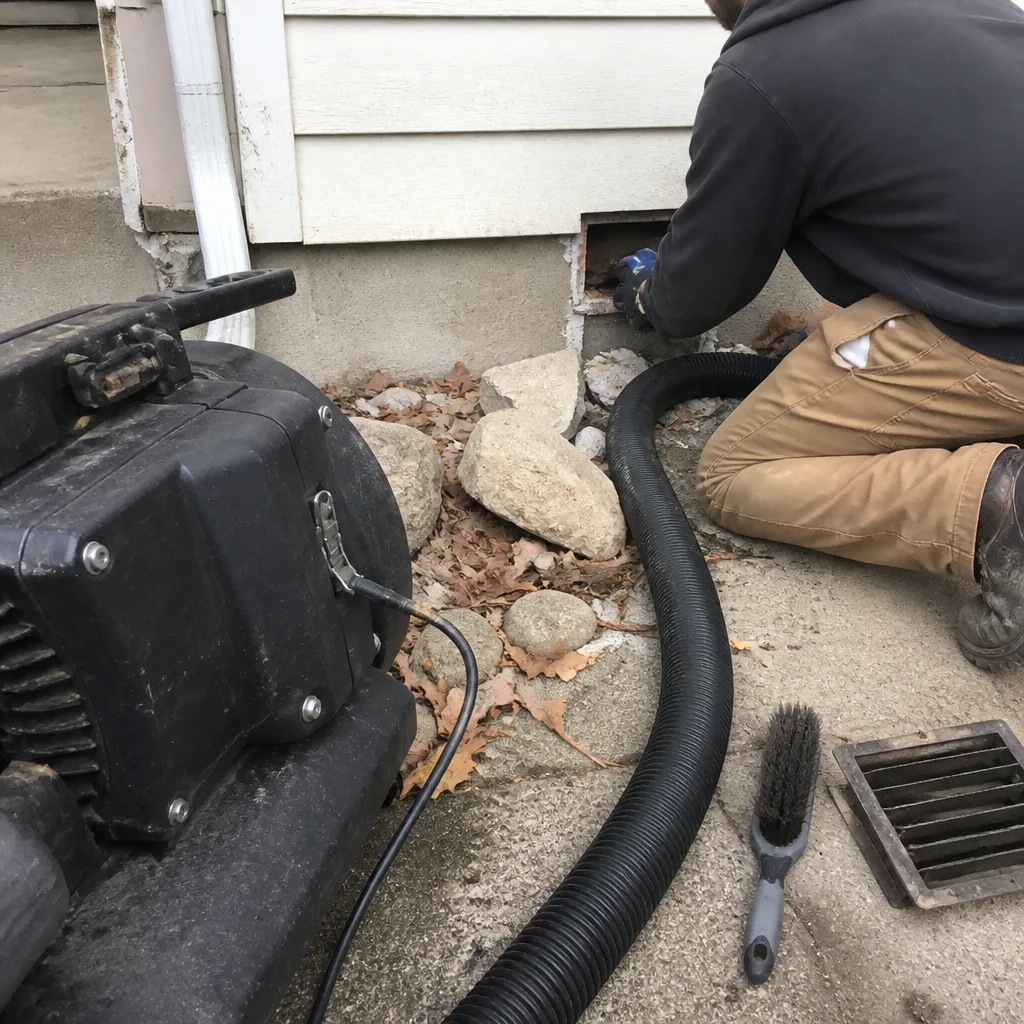
See the difference
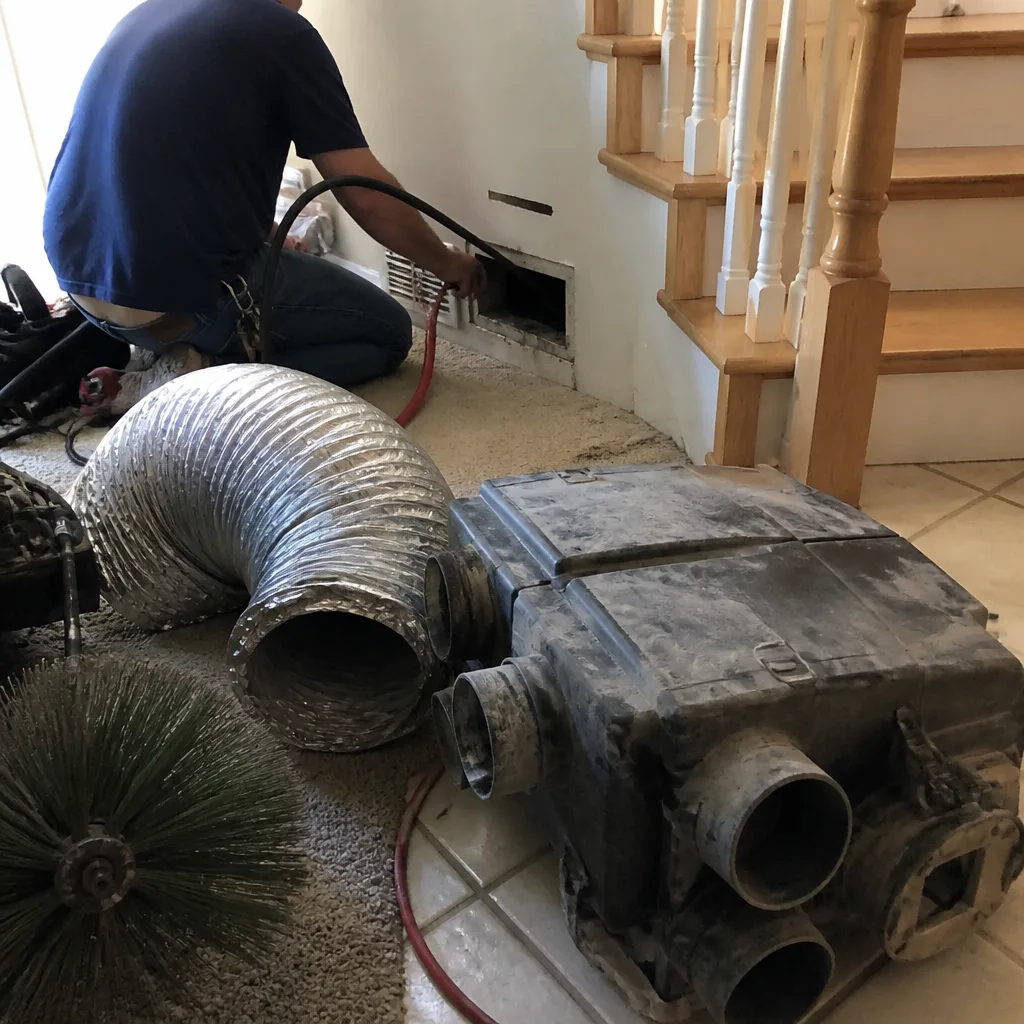 Before
 After
 Before
 After
 Before
 After
When to Call a Professional
Here are the situations where you should stop researching and pick up the phone. If you’re seeing musty odors or increased allergy symptoms and suspect your ductwork, that’s a cleaning conversation. If your dryer is taking longer to dry clothes, that’s a dryer vent cleaning conversation and a genuine fire-safety concern. If your HVAC system is running but airflow to certain rooms is weak or nonexistent, that’s a HVAC cleaning and inspection conversation. If a technician has recommended duct replacement, new branch runs or air handler relocation, that’s a permitting conversation. And if you’re buying or selling a Murray home and the inspection report flags ductwork, that’s a documentation conversation. Murray Air Duct Cleaning Co offers free estimates in Murray. Call (833) 984-2965. We answer 24/7. Fast dispatch from 7am to 7pm, Sunday through Friday.
Frequently Asked Questions
No, routine air duct cleaning in Murray doesn’t require a permit. Cleaning is maintenance of an existing system, not an alteration. Permits come into play when the work changes the system’s configuration, such as duct replacement, new branch runs or equipment relocation. If you’re unsure whether the work being recommended crosses that line, call us at (833) 984-2965. Estimates are free.
Duct replacement, adding new branch runs, relocating an air handler and modifying combustion appliance venting typically require a mechanical permit through Murray City. Sealing existing joints with mastic or tape usually does not. The question to ask is whether the work changes the system’s design or simply maintains it. Call (833) 984-2965 if you want a straight answer about your specific situation.
Murray City enforces its own mechanical code within city limits, so most permits for duct work in Murray are pulled through the city building department. Salt Lake County handles unincorporated areas and certain services. A quick call to the Murray City building department confirms which jurisdiction applies to your address. Estimates on our end are free at (833) 984-2965.
Yes, it can. Unpermitted mechanical alterations often surface during a buyer’s home inspection, and the resulting request for documentation can delay closing or require retroactive permitting and correction. Buyers and lenders increasingly ask for permit records on mechanical work. Getting ahead of it is cheaper than scrambling during a sale. Call (833) 984-2965 if you want to understand what’s on your property’s record.
It depends on the installation. UV systems require electrical work, which may need an electrical permit. Whole-house humidifiers often need a plumbing permit. Higher-MERV filter swaps typically don’t require a permit, though a filter that’s too restrictive for the blower can hurt performance. The safe move is to ask before installation, not after. Free estimates at (833) 984-2965.
Ask for the permit number once it’s issued and confirm it with Murray City. A permit without a scheduled inspection is an open item, so make sure the inspection happens and the record is closed. A contractor who discourages permits or can’t produce a number is telling you something. Call (833) 984-2965 if you want to talk through a job before it starts.
The Bottom Line
The permit question in Murray is really a question about scope. Cleaning doesn’t require one. Duct replacement, new branch runs, air handler relocation and combustion venting changes usually do, and Murray City is the jurisdiction that enforces it. The work itself is rarely the problem. The problem is unpermitted work that surfaces at resale, gets flagged on an inspection, or voids an equipment warranty claim. Verifying that your contractor pulls permits is a five-minute conversation that protects you for years. If you’re in Murray and want a straight answer about your ductwork, we’re happy to look at it and tell you what we find.
Murray Air Duct Cleaning Co is a full indoor air system specialist, covering air duct cleaning, dryer vent cleaning, HVAC cleaning, duct repair and sealing, and air quality work under one company. We use Rotobrush and Nikro systems for cleaning and Abatement Technologies equipment for sanitizing, and we work with Honeywell and Aprilaire products for filtration and humidity control. Our technicians have up to 13 years of experience. When we find a structural problem, we tell you what it is, whether a permit is involved, and what the repair entails. Call (833) 984-2965 for a free estimate. We answer 24/7. Fast dispatch from 7am to 7pm, Sunday through Friday.
Written by the team at Murray Air Duct Cleaning Co.