
Last updated November 24, 2026
 Whole-home duct cleaning
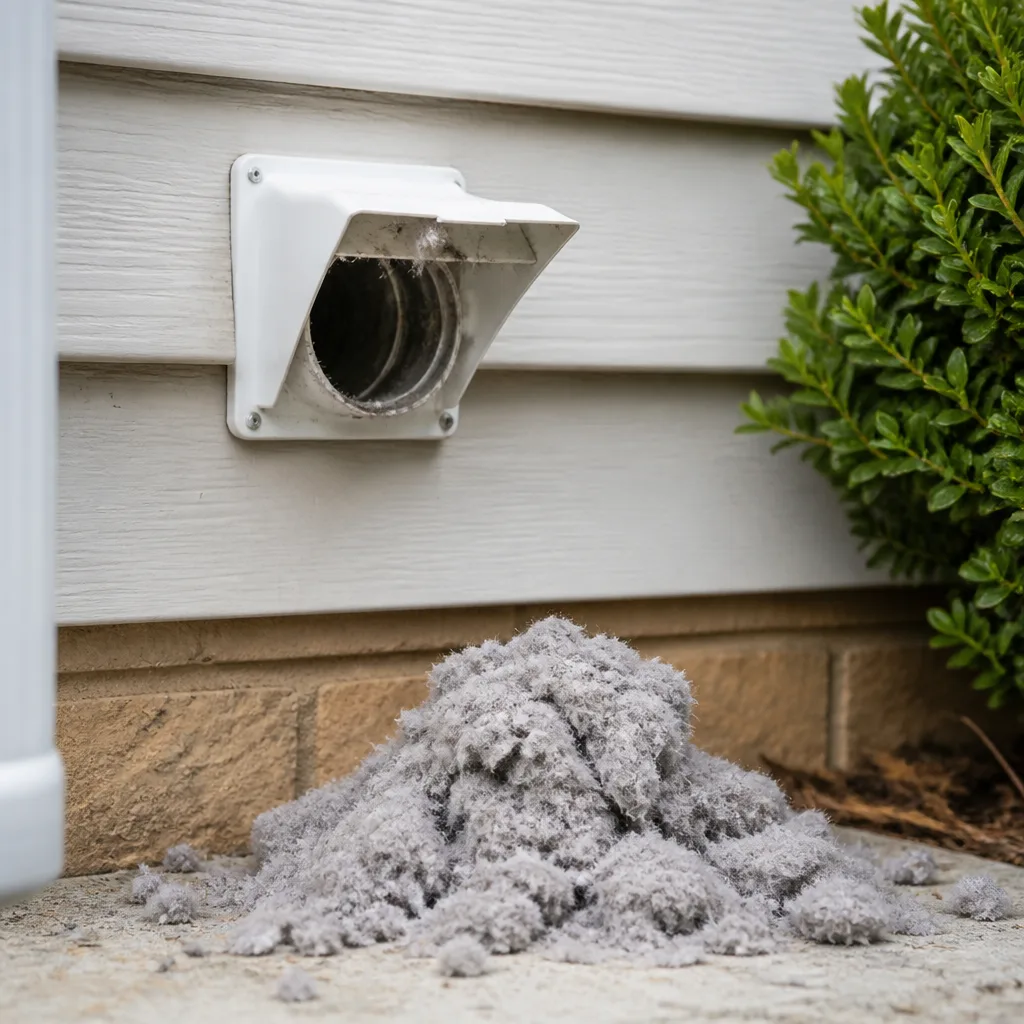 Dryer vent cleaning
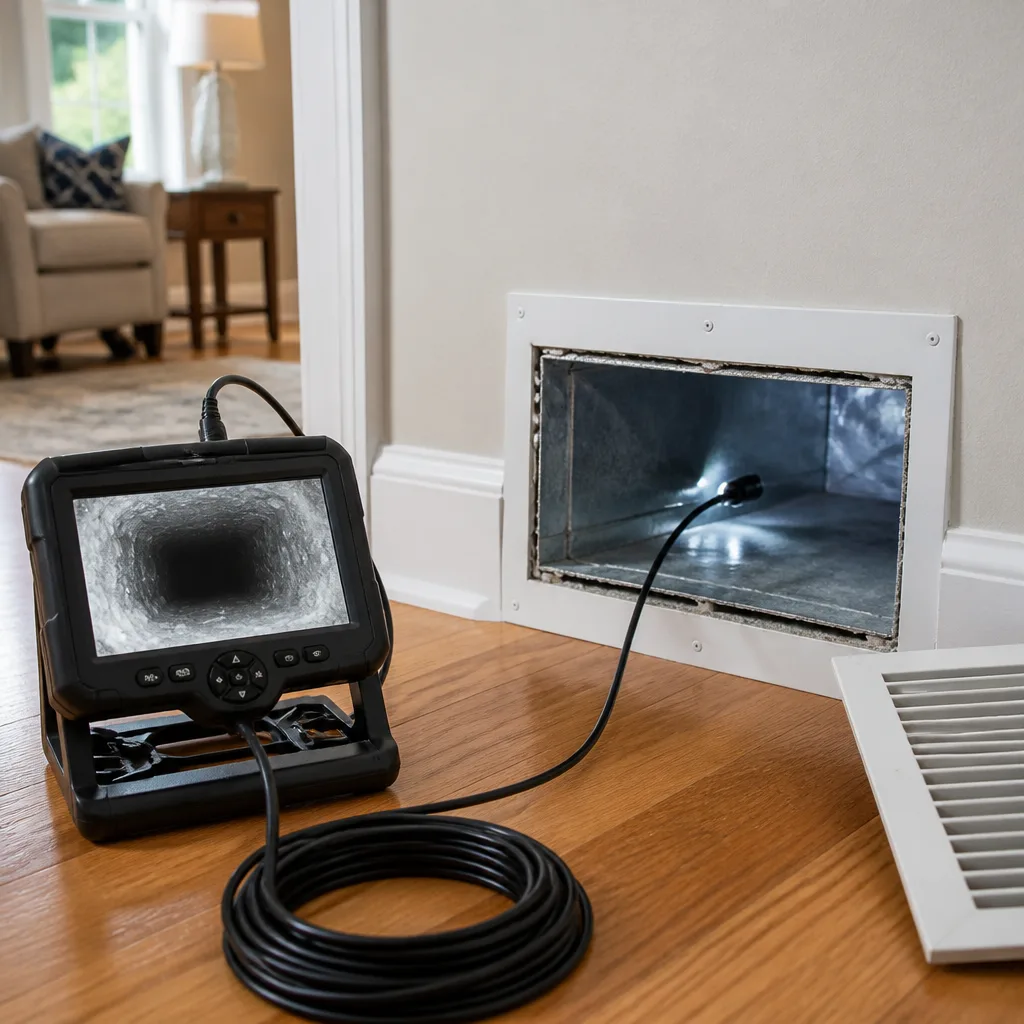 Camera inspection
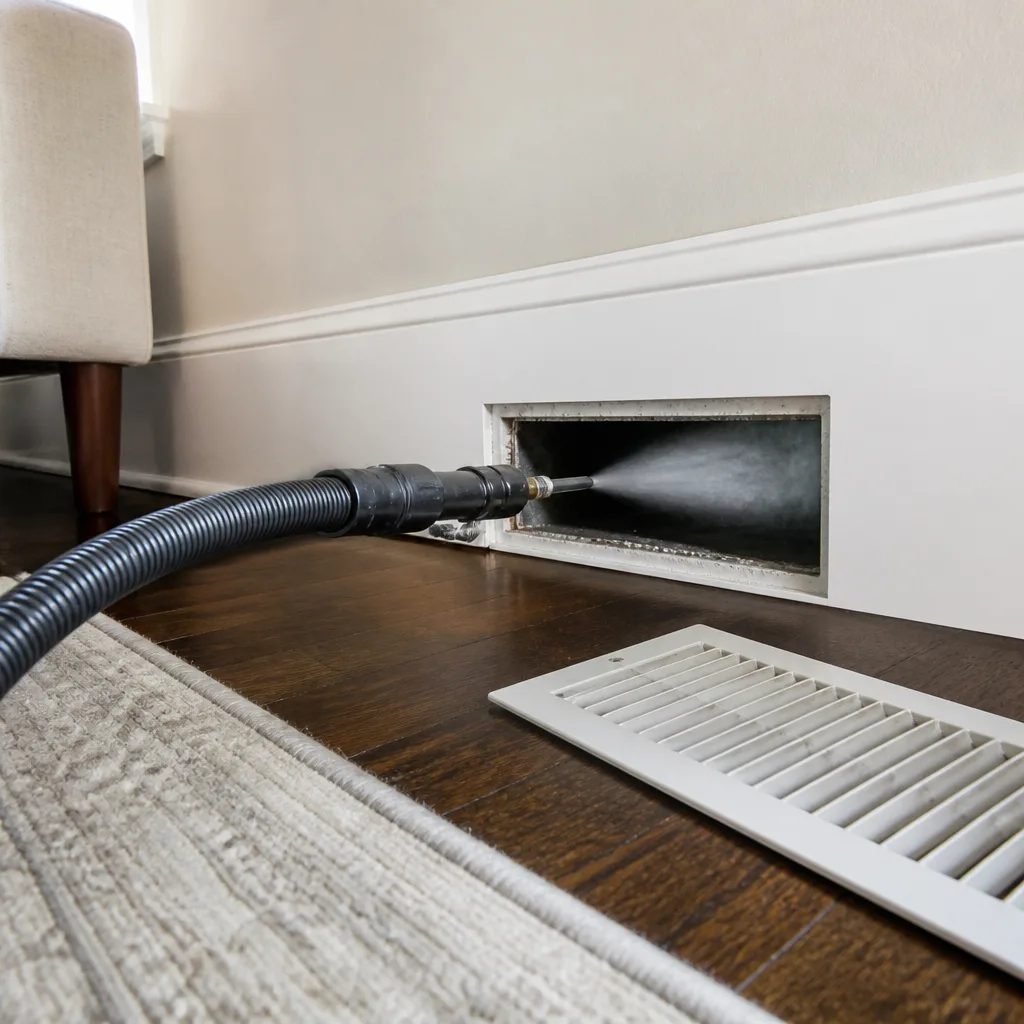 Sanitizing & deodorizing
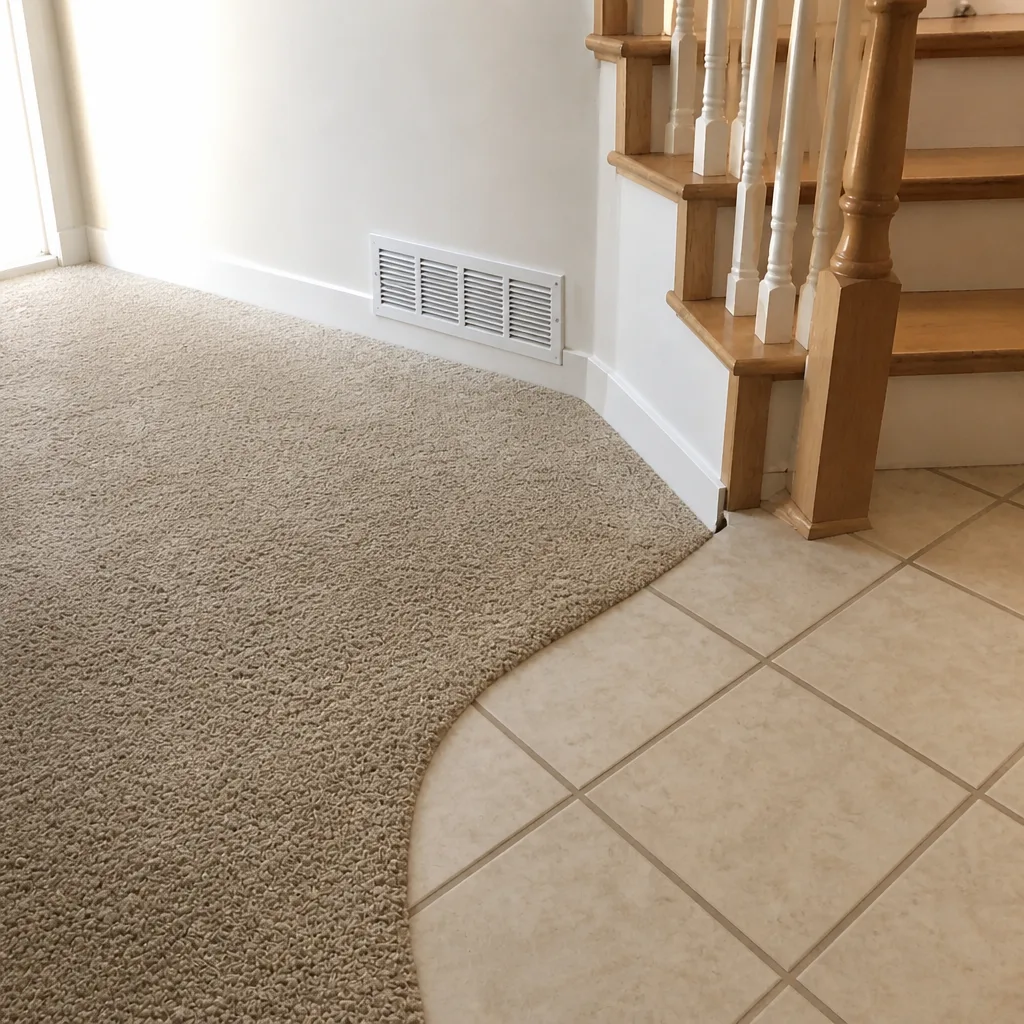
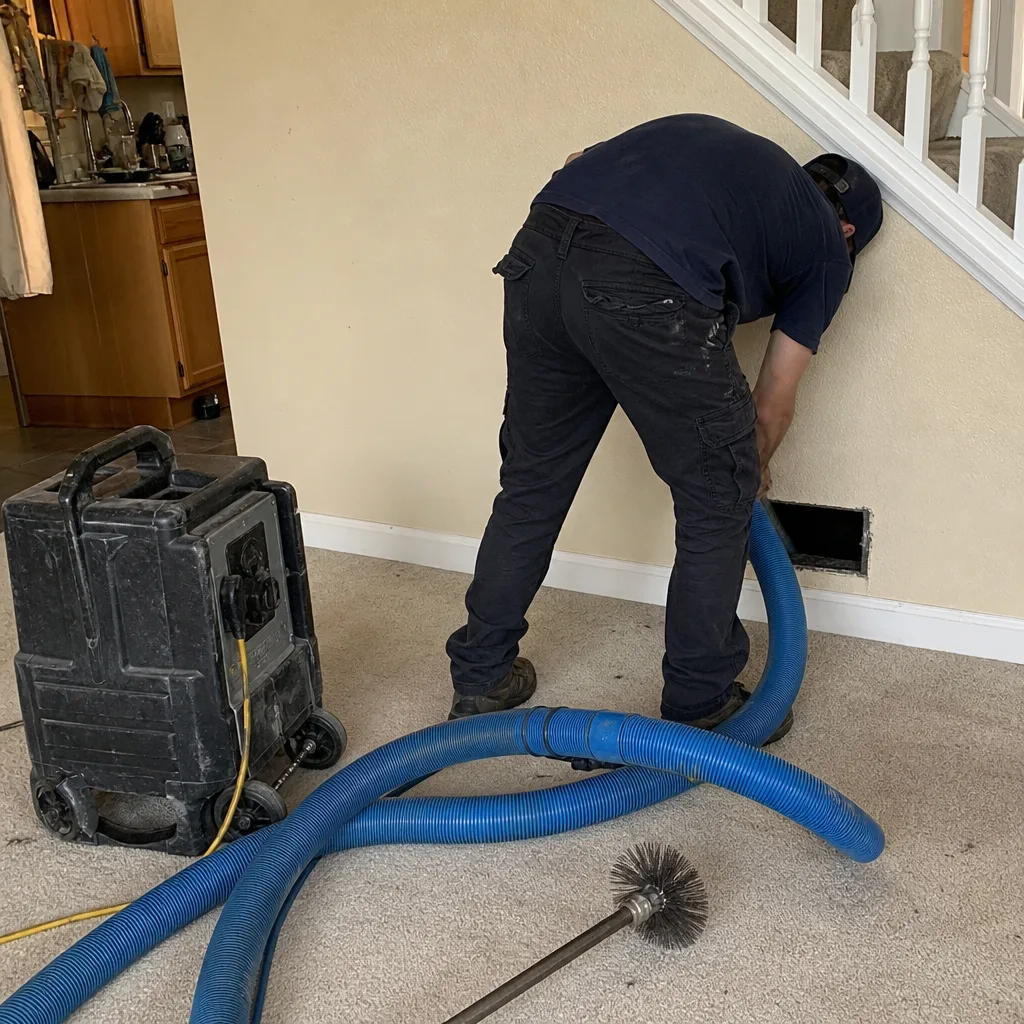
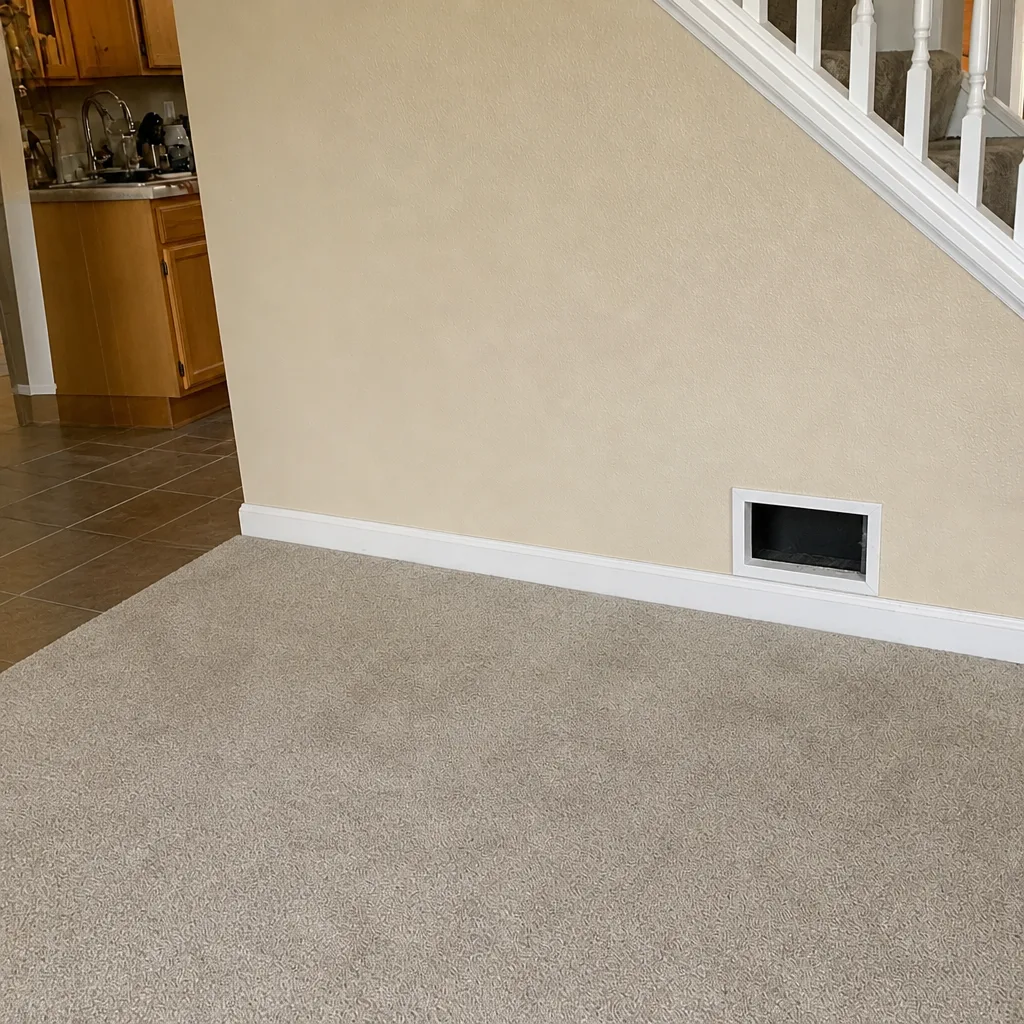
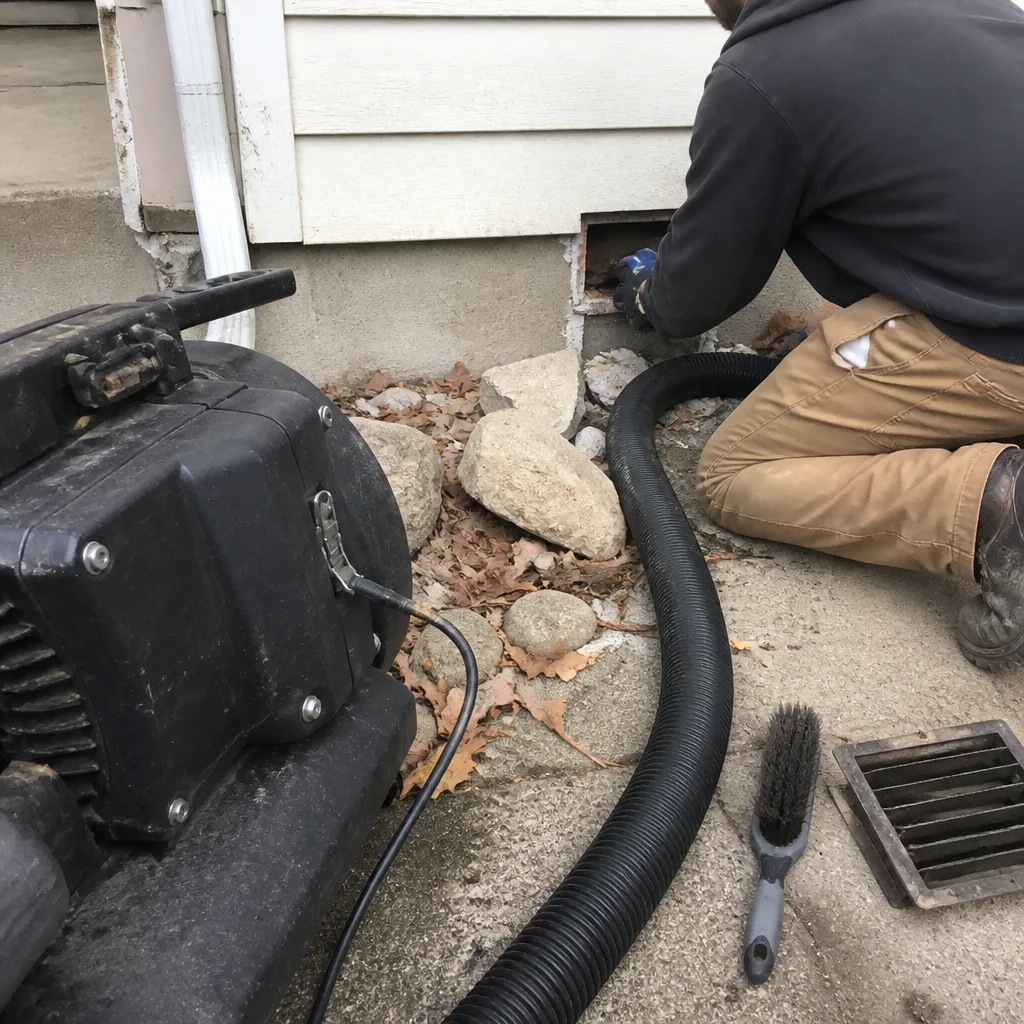
Whole-system duct and dryer vent check with before-and-after photos - you see exactly what came out of your vents
That "$99 whole-house special" is a bait ad - the real number appears once they are in your hallway, or the "clean" is a shop-vac at the register. We photograph the inside of your ducts before and after instead.
Air Duct Cleaning Maintenance Checklist for Murray Homeowners
The costliest duct problems we see in Murray homes rarely announce themselves. They’re slow: a faint musty note that shows up only on certain days, a register that collects dust a little faster each season, a dryer that takes an extra cycle to finish. None of those alone sends anyone to the phone. The trouble is that each is a data point, and most homeowners have no framework for reading them together, so a small breach in the duct system keeps working quietly until the repair is structural instead of simple.
This guide gives you that framework. You’ll get a real maintenance calendar with monthly, seasonal, and multi-year intervals, the specific cues to log at each register, and a way to use your filter as an early warning system for the whole duct run. You’ll also learn what to write down before you ever call a contractor, so a technician can triage faster and quote more accurately when they arrive. Everything here is written for the specific rhythm of a Murray home.
Quick Answer
A workable air duct maintenance checklist for a Murray home combines three layers: a monthly walk-through of registers and filter, a seasonal check that follows the heating and cooling changeover, and a professional whole-system cleaning on a multi-year interval or whenever a trigger event occurs. The real value isn’t the cleaning date on the calendar. It’s the observation log you keep between visits, because it tells you when ductwork is deteriorating, pests have found a way in, or moisture is setting up mold conditions.
Styles & brands we work with
- Whole-home duct cleaning
- Dryer vent cleaning
- Camera inspection
- Sanitizing & deodorizing
Table of Contents
- The Murray Maintenance Calendar at a Glance
- Monthly Tasks: The Fifteen-Minute Walk-Through
- Seasonal Checks for Wasatch Front Weather
- What to Log at Every Register
- Reading Your Filter as a Duct Integrity Signal
- Murray Trigger Events That Reset the Clock
- What to Document Before You Call
- What a Professional Visit Should Cover
The Murray Maintenance Calendar at a Glance
A duct maintenance checklist only works if the intervals match how the system actually degrades. Cleaning every few years and doing nothing in between is the pattern most households fall into, and it’s the reason small problems reach the point of a repair quote. Here’s the interval structure we recommend for a typical Murray home, built around observation first and professional service second.
- Monthly: Walk the registers, check the filter, note anything new in your log. Roughly fifteen minutes.
- At every season change: Full register inspection, dryer vent exterior check, return-air grille check, and a note on how the system is performing at the transition from heating to cooling and back.
- After any HVAC service call: Inspect the areas a technician touched, because panel removal and equipment work can dislodge debris or leave a connection loose.
- Every one to three years: Professional whole-system cleaning, adjusted by your documented observations, pets, occupants, and nearby construction.
- On any trigger event: Renovation, pest sighting, water intrusion, or a sudden change in filter loading resets the whole schedule.
Two things make this schedule different from a generic reminder. First, it treats your observations as the primary input and the professional visit as a response to them. Second, it’s tuned to the Wasatch Front, where the seasons and the valley air put specific pressure on ductwork that a coastal or humid-climate checklist never accounts for. Murray sits in that valley, and the cycle here is real.
Monthly Tasks: The Fifteen-Minute Walk-Through
The monthly pass is short and mostly visual. You’re not cleaning anything on most visits. You’re looking for change. Get in the habit of walking the same route in the same order so your eye learns what normal looks like at each register. That baseline is what makes a subtle shift visible.
- Start at the filter. Note the date. You’ll use the interval to estimate loading rate, described later in this guide.
- Walk every supply register. Wipe the slots with a white cloth if you want a record. Dark smudges on a white cloth tell you more than a glance will.
- Check airflow at each register by hand. You’re feeling for a register that’s noticeably weaker than the others, not measuring anything.
- Smell the air at the return grille. A musty or stale note at the return, distinct from the supply air, is a signal worth logging.
- Look at the return grille frame and the wall behind it. Dust trails, rust spots, or a dark outline at the edge are the kind of thing that grows slowly and is easy to miss.
- Check the dryer vent exterior flap. It should open freely when the dryer runs and sit closed when it doesn’t.
- Write the date and any change in your log. Even “no change” is a useful entry. It’s the baseline the next entry is compared against.
Fifteen minutes a month is enough. What you’re building is a record of your home’s specific normal, and no contractor can give you that. You’re the only one who sees the registers between visits.
Seasonal Checks for Wasatch Front Weather
The changeover from heating to cooling and back is when the duct system shifts its pattern of use, and the valve season is when the most interesting findings show up. During cold months, the furnace runs long and warm air moves through the full duct run continuously. In summer, the air conditioning cycle is shorter and cooler, and the ductwork stays cooler and damper. Those are different conditions for the same ducts, and they reveal different things.
At the first fall cold snap, before the furnace has run for a week, do a full walk-through. Look at the grilles you didn’t see all summer. At the first warm stretch in spring, repeat the check with the cooling system running. Note anything that only appears in one season, because a register that smells different when the heat runs versus when the cooling runs is telling you something about where the contamination is sitting.
The valley air itself follows a pattern. In winter, temperature inversions trap cold, still air over the Wasatch Front, and particulates held in the valley can affect indoor air quality as much as outdoor. Those weeks are the best time to check your filter loading and to write down whether the house feels stuffier than usual. You’re not making a diagnosis on your own. You’re giving a technician a tighter window to work with.
Summer also changes outdoor conditions in ways that matter to the duct run. Summer thunderstorms can send water where it shouldn’t go. A small roof or window intrusion, a weeping connection, or water pooled around exterior ductwork can push moisture into the system, and moisture inside ductwork is where mold conditions begin. After a heavy storm, note any new smells inside the home and check the return grille for anything damp. If you spot a problem, call us for air duct cleaning before it has a chance to settle in.
What to Log at Every Register
The specific cues matter more than the general impression. At each register, check the same four things and write them down in the same order. Your log becomes a running record that a technician can read in minutes.
- Discoloration. Wipe the register slots with a white cloth once a month. Dark smudges on the cloth mean dust moving through the system. Gray or green-edged smudges together with a musty smell is a combination worth calling about.
- Odor character. Describe it precisely. Musty, sour, dusty, chemical, or “like something died” are different findings with different causes. A sour or musty note at one register points to that branch of the system. A smell that appears only when the heat runs suggests the heat exchanger and nearby ductwork.
- Airflow change. Hold your hand at the register. Compare it to the last month. A register that’s gradually weakening could mean a damper has shifted, debris has collected in the branch, or a joint has separated somewhere upstream. A sudden drop is worth a call right away.
- Debris and moisture. Look inside the register with a light. Anything flaky, furry, or damp is a flag. Small dark specks or droppings near the register mean a pest has found a way into the duct run.
Keep the log in one place. A notes app or a notebook in a kitchen drawer works. The point isn’t precision instrumentation; it’s a record your future self and a technician can reference. Our technicians have up to 13 years of experience, and the calls that go smoothest are the ones where the homeowner can say, “This started in October, it’s worst in the morning, and this one register always smells.”
Reading Your Filter as a Duct Integrity Signal
Most homeowners read the filter as a filter. We read it as a proxy for the whole duct system. The rate at which the filter loads up is one of the most reliable signals we get about whether the ductwork is sealed, whether debris is being pulled into the return, and whether something has changed.
Here’s how to use it. Pick a filter change schedule you can actually keep, note the date on the filter frame, and record the interval. After a few changes, you’ll have a normal interval for your home. A filter that suddenly clogs faster than normal, in weeks instead of months, is telling you that something upstream is pushing more material into the return air. That might be a breached connection, a dust-generating renovation nearby, a return grille pulling from a dirty crawlspace, or a pest problem. A faster-than-normal loading rate is one of the clearest early signals of a duct breach, and it’s easy to miss if you only change the filter on a fixed schedule and don’t look at the rate.
Filter quality matters too, but not in the direction most people assume. A filter with an extremely high rating on a duct system that has leaks and gaps can create more pressure drop than a lower-rated filter, and the system has to work harder to move the same air. A technician can tell you what your system was designed for. Our familiarity with Honeywell and Aprilaire filtration products means we can also talk through how a filter upgrade interacts with the rest of the system rather than recommending a filter in isolation. Treat the filter as a sensor, keep the log, and let the rate tell you when to bring in a professional.
Murray Trigger Events That Reset the Clock
Between the calendar intervals, certain events interrupt the normal schedule. When one of these happens, treat it as a reset and do the full register inspection right away, even if it isn’t the month for it.
- Post-inversion season. When a winter inversion lifts, the air quality outdoors can shift quickly. Running the system harder in the weeks afterward pulls more material into the return, and it’s a good time to check filter loading and registers.
- Post-renovation. Drywall dust is fine enough to travel through the entire system. If you’re renovating or have recently finished, do a full register inspection and expect to replace the filter earlier than usual. Whether or not you need professional cleaning afterward depends on what the registers show.
- After any HVAC service call. Panel removal, equipment work, and the movement of a technician through the attic or crawlspace can dislodge dust and disturb connections. Walk the registers within a few days of the service to confirm nothing new has appeared.
- Water intrusion. Any sign that water has reached the ductwork, from a roof leak to a weeping connection, is a reset event. Moisture in ductwork is the condition that precedes mold, and it’s the one to act on quickly.
- A pest sighting. Any insect or rodent evidence inside the home, especially near a return grille, warrants a full register inspection. Rodents find their way into duct runs, and their presence changes the cleaning requirement.
- A change in household pattern. A new pet, a new baby, or a family member developing new allergy-like symptoms is a reason to inspect the ductwork, because the system is now working to a different demand.
Each of these is a reason to look, not a reason to panic. In our experience across this valley, most trigger events are handled with a targeted inspection. What matters is that you don’t wait for the next scheduled cleaning to look.
What to Document Before You Call
The information you gather before you call determines how fast a technician can triage and how accurate a quote can be. You don’t need to become an expert. You need to write down six things.
- Which registers are affected. List them by room, not by guesswork. “The two returns in the hallway and the bedroom supply” is more useful than “some vents.”
- When the issue started and what changed. Note the start date and anything that happened around the same time, such as a renovation, a service call, a storm, or a new pet.
- Odor description. Use specific words. Note whether it’s worse when the heat runs, when the cooling runs, or at rest.
- Filter intervals. Note how often you’ve been replacing it, and note if that interval has recently shortened.
- Photos. Take a photo of each affected register, the filter, and the return grille. A photo from the same angle each month shows change that memory won’t.
- Any recent HVAC work. Note the date, the type of work, and whether the system has behaved differently since.
When our team arrives, this record lets us focus on the branches that matter instead of starting from scratch. It also sharpens the estimate, because we can plan for the specific areas instead of a broad sweep. A written estimate always sets the final price, so the more precise the information up front, the closer the estimate matches the work.
What a Professional Visit Should Cover
A professional visit isn’t just a vacuum with a long hose. For a Murray home with a full duct system, the visit should cover the whole ecosystem in one pass, so you’re not scheduling a follow-up contractor for the parts that fall outside the cleaning itself.
We arrive with professional-grade Rotobrush and Nikro systems, purpose-built commercial duct cleaning equipment rather than repurposed shop vacuums. Cleaning covers supply and return trunk lines, branch runs, registers and grilles, and the air handler components that move air through the system. If we find a breached connection, a separated joint, or a gap that’s letting air escape into an attic or crawlspace, we can address it. Duct repair and sealing means we can diagnose and fix the structural cause, not just report it and leave you to find someone else.
When sanitizing is warranted, we use Abatement Technologies and Guardsman product lines, the same equipment and product standards used in professional remediation and abatement work. That matters because it means the treatment is applied to a clean system and to a standard, not sprayed over contamination. The dryer vent gets attention during the same visit, and that’s not an optional extra. A blocked dryer vent is a documented residential fire hazard, and it’s the one part of the checklist where the consequence of neglect is immediate rather than gradual. Our dryer vent cleaning and HVAC cleaning are handled together with the ductwork because the components interact.
After the work, the register log you kept gets a professional entry: what we found, what we cleaned, what we repaired, and whether the system is running to its intended design. That entry becomes the new baseline, and your monthly pass picks up from there.
Common Mistakes to Avoid
- Cleaning on a fixed date and ignoring the months between. The cleaning date is the smallest part of the maintenance picture. The observation log is where the value is, and a fixed schedule with no observation between visits is how small problems reach the point of a repair quote.
- Replacing the filter on schedule without noting the rate. A faster-than-normal loading rate is one of the most useful signals the system gives you, and it’s lost the moment you only look at the calendar.
- Assuming every register should feel the same. Duct branches are different lengths and serve different rooms. What matters is comparing each register to its own past, not to a register in another room.
- Spraying sanitizing product into registers on your own. Without cleaning first, you’re spraying over contamination. It’s also easy to introduce moisture where there wasn’t any. Leave treatment to a professional.
- Treating a musty smell as a seasonal nuisance. A musty note at a single register, especially one that appears when the system runs, is worth investigating rather than waiting out. It’s one of the signals that precedes mold conditions.
- Calling without any information. A vague call leads to a broad estimate. A call with dates, affected registers, and photos leads to a tight one, and the written estimate holds either way.
- Forgetting the dryer vent between duct cleanings. It’s the one component with a fire consequence, and it’s the easiest to forget because it lives outside the duct system. Add it to the same schedule.
See the difference
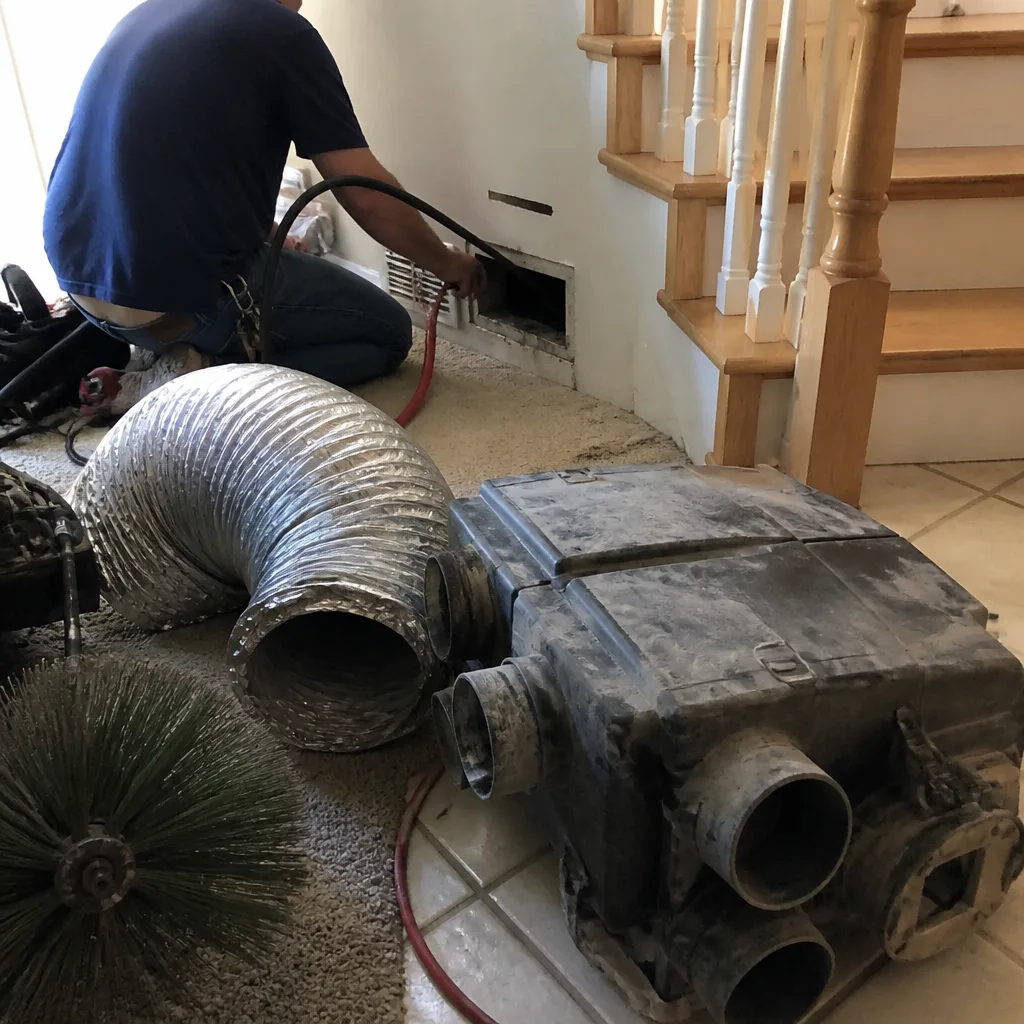 Before
 After
 Before
 After
 Before
 After
When to Call a Professional
Some findings call for a pro rather than a note in your log. Call us when you find any of the following: musty or sour odor at one register that persists across more than one month; visible dark smudges that return within weeks of wiping; pest droppings or a rodent sighting near a return grille; a filter that’s loading noticeably faster than its normal rate; airflow at any register that drops sharply or visibly weakens; any sign of moisture inside ductwork; or a dryer that’s taking longer than usual to dry. Add a call after any renovation, after any water intrusion, and after any HVAC service call that involved opening the system. Our team at Murray Air Duct Cleaning Co offers free estimates in Murray – call (833) 984-2965. We answer 24/7. Fast dispatch from 7am to 7pm, Sunday through Friday. A call outside dispatch hours is booked into the next opening, Sunday through Friday, 7am to 7pm.
Frequently Asked Questions
For a typical Murray home with no special conditions, every one to three years is the range we recommend. The specific interval depends on your documented observations, pets, occupants, nearby construction, and whether the home has had a trigger event like a renovation or a water intrusion. The filter loading rate and the register log are the two signals that tell you which end of that range you’re on. Call (833) 984-2965 for an exact quote – estimates are free.
Air duct cleaning in Murray is priced per job based on the size of the system, the number of registers and returns, and any repair or sealing work required, so the written estimate sets the final price. We give one flat price per system agreed before work starts, with before-and-after photos of your own ducts. There’s no per-vent pricing and no teaser coupon that turns into a larger invoice once the technician is on site. Call (833) 984-2965 for an exact quote – estimates are free.
A low quote usually reflects a smaller job than the one you actually need: a quick pass rather than a whole-system clean, or a price that doesn’t include repair, sealing, or sanitizing. The line-item difference is what gets added on site. Ask what the quote covers, ask whether the technician will show you before-and-after photos of your own registers, and ask whether repair and sealing are included if they’re found. A flat per-system price agreed up front tells you what you’re actually paying for. Call (833) 984-2965 for an exact quote – estimates are free.
Ask for before-and-after photos of your own registers and ductwork, not stock images. We photograph the same registers before and after the work, and those photos become part of your log. A written record of what was cleaned and any repairs made is the standard, and it’s the document that makes the work provable. Call (833) 984-2965 for an exact quote – estimates are free.
No. A shop vacuum can’t move enough air to pull the debris a whole-system cleaning is designed to dislodge, and it can stir up contamination you’d rather leave contained. Professional cleaning uses purpose-built equipment like Rotobrush and Nikro systems because the process depends on airflow and containment, not suction power alone. The right home-side action is the register log and an early call when you see a change. Call (833) 984-2965 for an exact quote – estimates are free.
Yes, in the sense that the trigger events are local. Winter inversions over the Wasatch Front change how the system runs and what it pulls in, and the changeover from heating to cooling happens on a different rhythm than in milder climates. Post-renovation and post-service call checks matter everywhere, but the local climate makes the seasonal walk-through more useful here. If you’re ever unsure, our technicians have up to 13 years of experience on this terrain. Call (833) 984-2965 for an exact quote – estimates are free.
The Bottom Line
A duct maintenance checklist for a Murray home is mostly observation and a small amount of scheduling. The monthly walk-through gives you a baseline. The seasonal checks tune it to the valley’s weather. The filter rate and the register log turn that baseline into an early warning system. When a trigger event resets the clock, you inspect, you log, and you call when the log tells you to. The professional visit then covers the whole system – cleaning with Rotobrush and Nikro, repair and sealing, and sanitizing with Abatement Technologies and Guardsman products when it’s warranted – so the work is complete in one pass. That’s a framework you can actually keep, and it’s the reason the next problem gets caught early.
If your log is showing something you can’t explain, we’re glad to look. You can reach our Murray Air Duct Cleaning Co team for a free estimate in Murray. Call (833) 984-2965. We answer 24/7. Fast dispatch from 7am to 7pm, Sunday through Friday. A call outside dispatch hours is booked into the next opening, Sunday through Friday, 7am to 7pm.
Written by the team at Murray Air Duct Cleaning Co.