
Last updated November 24, 2026
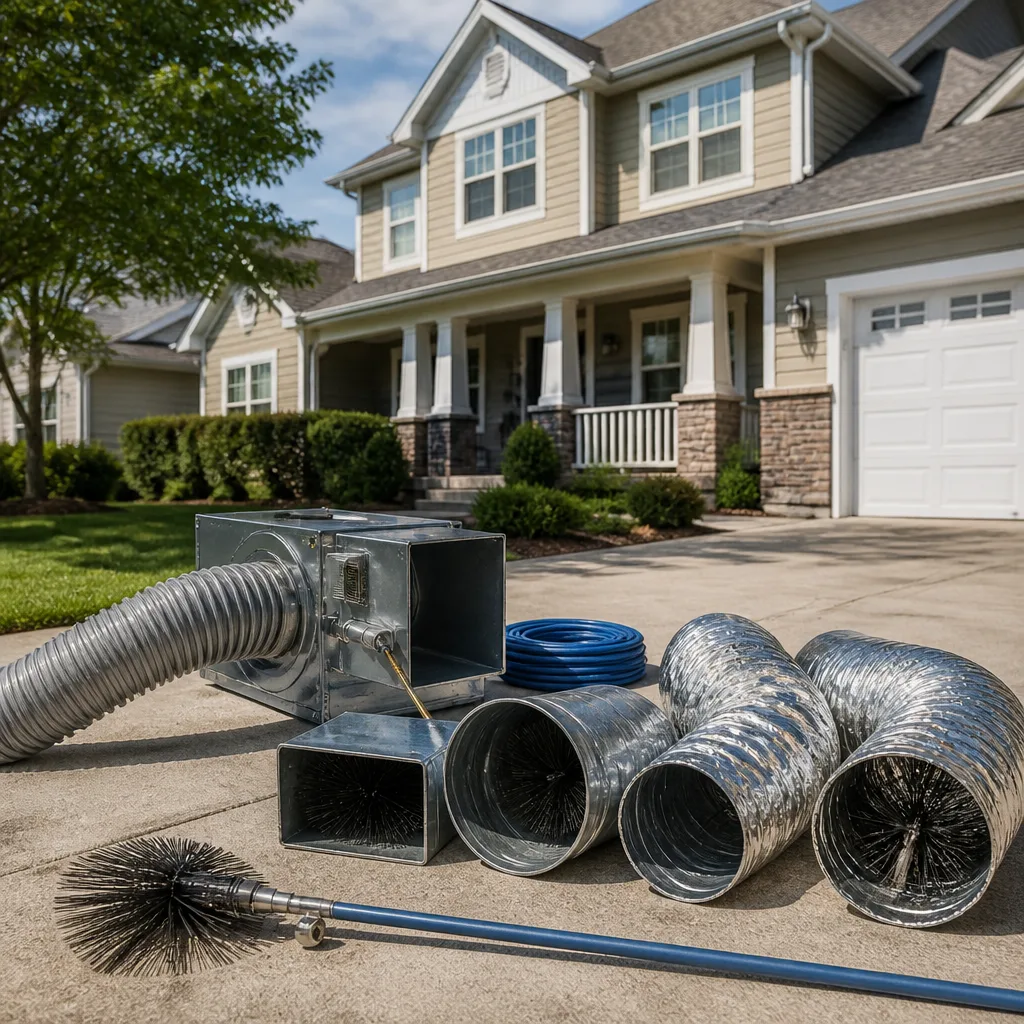 Whole-home duct cleaning
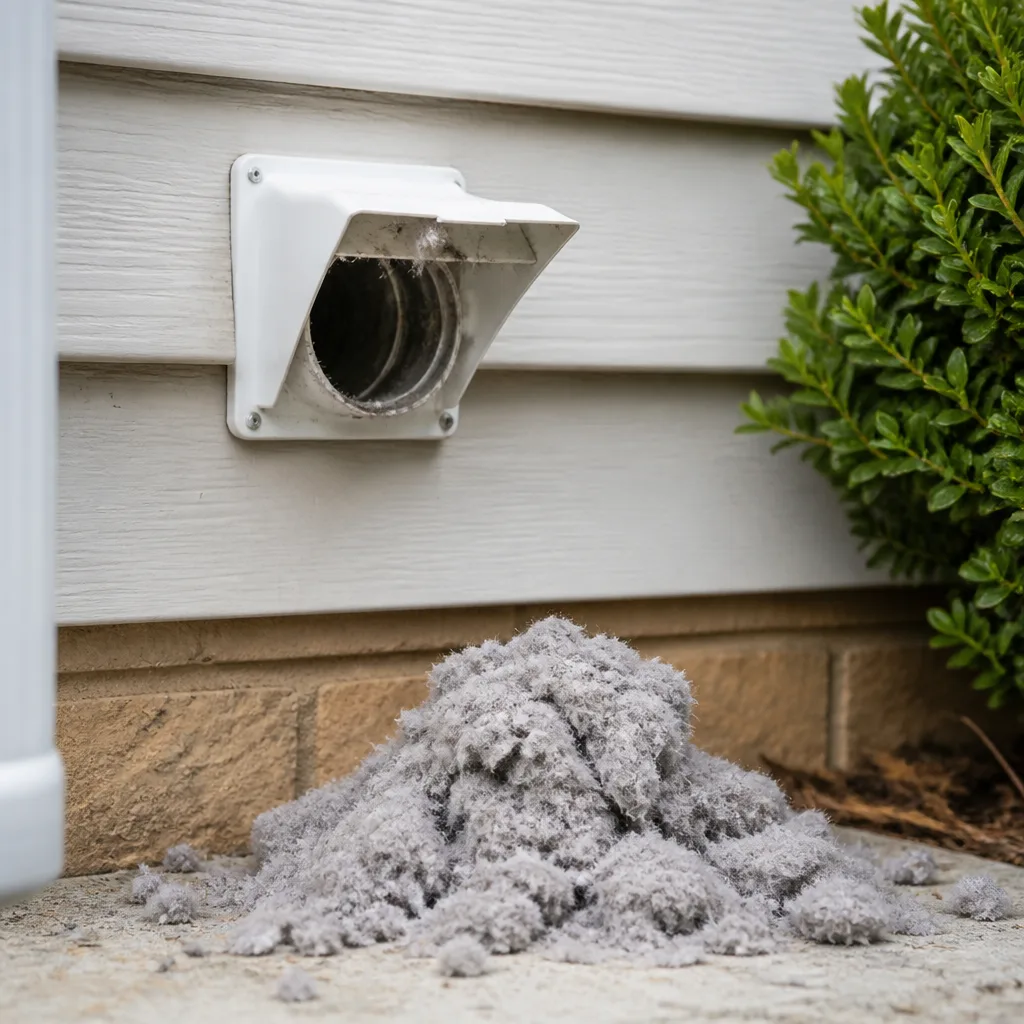 Dryer vent cleaning
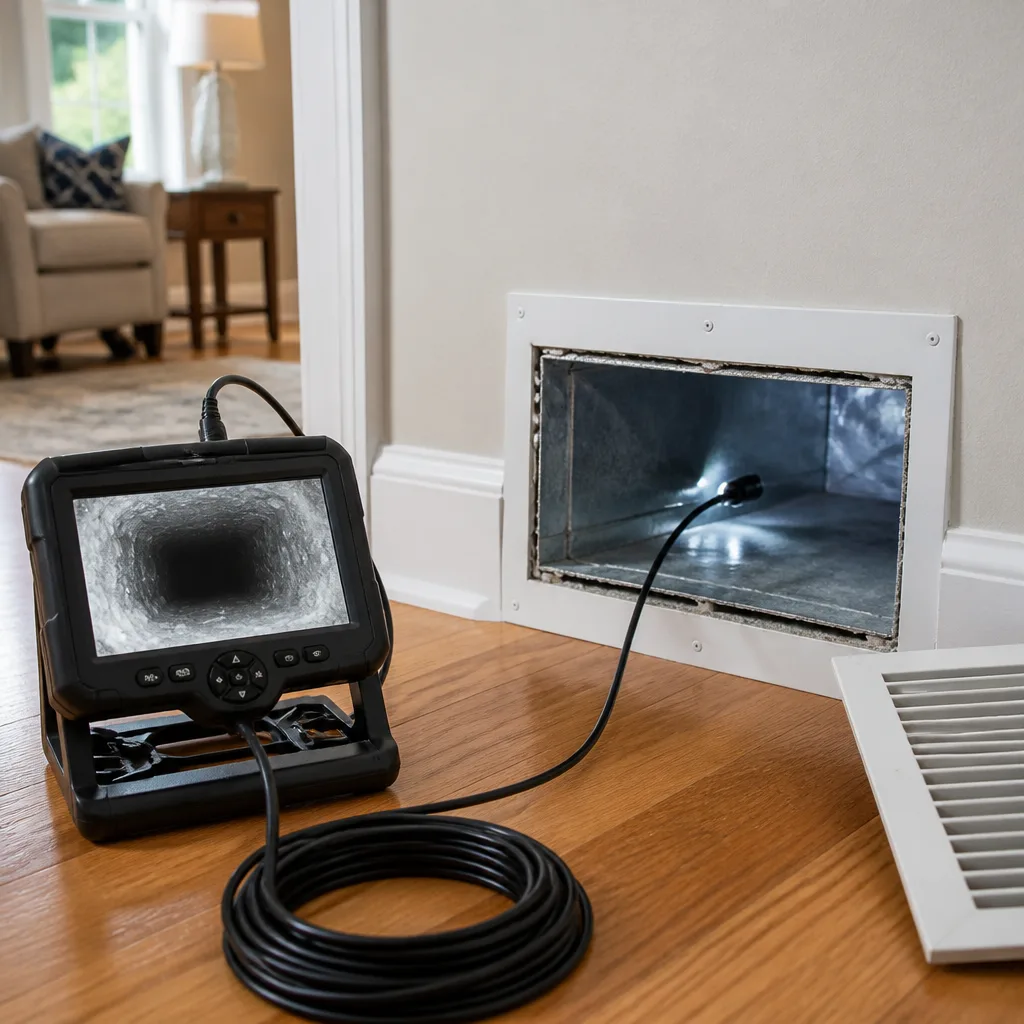 Camera inspection
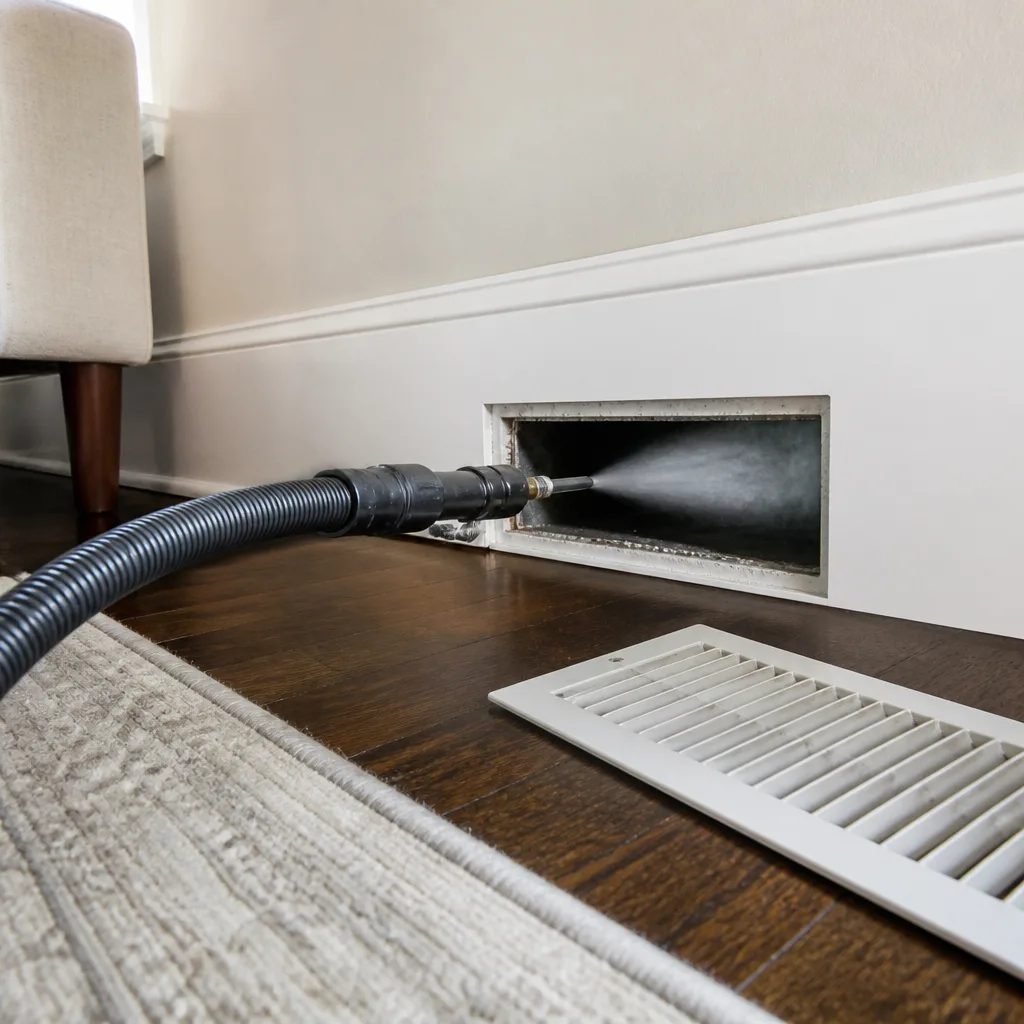 Sanitizing & deodorizing
Whole-system duct and dryer vent check with before-and-after photos - you see exactly what came out of your vents
That "$99 whole-house special" is a bait ad - the real number appears once they are in your hallway, or the "clean" is a shop-vac at the register. We photograph the inside of your ducts before and after instead.
Seasonal Air Duct Cleaning Care for Murray: Year-Round Homeowner’s Guide
Most homeowners treat duct cleaning as an annual checkbox, something to get around to whenever the calendar allows. In Murray, that approach leaves real money and real air quality on the table. Our position is counterintuitive but simple: timing service around Murray’s specific climate cycles matters more than the interval itself. Cleaning in March hits a system already loaded from winter, right before pollen season adds more. Cleaning in late September catches the system at its dirtiest, just before the heating season pushes all of it through your home. Same service, different timing, very different result. This guide walks through what enters Murray ductwork in each season, where it enters, and how to plan service around it.
Quick Answer
Air duct cleaning in Murray works best when it’s timed to the seasons rather than scheduled on a fixed annual loop. For most homes, late September is the highest-value cleaning window because it clears wildfire-smoke particulate and summer construction dust before the heating season recirculates everything. A secondary cleaning in early spring, before pollen peaks, handles whatever the winter inversion layer deposited. Our technicians have up to 13 years of experience reading these seasonal patterns, and the right interval depends on your home’s specific loading, not a generic rule.
Styles & brands we work with
- Whole-home duct cleaning
- Dryer vent cleaning
- Camera inspection
- Sanitizing & deodorizing
Table of Contents
- Why Timing Matters More Than Interval
- Late Summer: Wildfire Smoke and Duct Infiltration
- Late September: The Highest-Value Cleaning Window
- Winter: Inversion Particulate and Heating Season Load
- Spring: Pollen Loading Before Cooling Season
- Active Summer: Remodeling Dust and What It Does Inside Ducts
- Adjusting Filter MERV Ratings Seasonally
- Pre-Heating-Season Coil and Heat Exchanger Inspection
- Connecting Seasonal Duct Care to HVAC Efficiency
Why Timing Matters More Than Interval
Ductwork in Murray isn’t exposed to one consistent load. It takes on a different mix of contaminants quarter by quarter, and a cleaning scheduled against a fixed annual date catches whatever happens to be sitting in the system that week. Clean in March and you’re only cleaning what accumulated over winter plus whatever summer and fall left behind. Clean in late September and you’re clearing a system that has just absorbed the two heaviest loading periods of the year, right before the heating season begins pulling air through it constantly.
We’re not arguing for more frequent cleaning. In our experience, over-cleaning is a waste of money and under-cleaning is a health and efficiency issue. The middle ground is reading the seasonal loading pattern your specific home experiences.
A few factors change the picture for Murray homes:
- Wildfire smoke exposure. Late summer and early fall bring regional smoke into the valley, and ductwork pulls it in through return grilles when a system runs with windows open or during smoke events.
- Winter inversion layer. Cold-air inversions concentrate particulate close to the ground, and if your return grilles sit low in the house, that particulate is what your system cycles through.
- Pollen season. Spring pollen loads ducts through open windows and return paths, especially in homes without high-MERV filtration.
- Construction dust. Active remodeling or new builds in your neighborhood push fine gypsum, sawdust, and insulation fibers into the system.
Timing service so your cleaning lands before one of these events, not after, changes what a technician actually finds and how much value the cleaning delivers. A March cleaning in Murray hits a system still loaded from the prior year; a September cleaning hits a system at its seasonal worst, and it clears the way for heating season. That difference is the whole thesis of this guide.
Late Summer: Wildfire Smoke and Duct Infiltration
Wildfire smoke is the most underappreciated duct contaminant in Murray. It’s easy to assume that closing the windows keeps it out, but houses aren’t sealed, and ductwork is a wide-open pathway. Smoke particulate enters the system through return grilles any time the air handler runs, through door and window gaps, and through the envelope in older Murray homes with less tight construction.
What makes smoke different from ordinary dust is particle size. The fine PM that makes wildfire smoke a health concern is small enough that standard filters catch some of it but not all. That fraction that gets through lands on duct walls, coil faces, and filter housing surfaces. Once it settles, it doesn’t move until the system does.
Signs a late-summer smoke load has reached your ductwork:
- A faint smoky or acrid smell when the system first starts after sitting idle
- Visible dust film around return grilles that returns shortly after you wipe it
- Increased filter darkening during smoke events, well before the filter’s nominal replacement window
- Rhythm of allergy or sinus symptoms that lines up with smoke days rather than pollen days
The most vulnerable intake points in Murray homes tend to be low return grilles on the main floor, register slots in basements that pull from floor level where particulate settles, and any return that shares space with a garage or utility room. If your house has any of these, the late-summer load arrives faster than the calendar suggests.
Our approach to a smoke-loaded system is to clean the full return-side pathway, not just the supply runs. Rotobrush and Nikro equipment is purpose-built for this because it can reach the depth of the return trunk without the shortcuts a shop vac implies. Once the walls are clean, treatment with Abatement Technologies air scrubbing and Guardsman products addresses what’s left behind.
Late September: The Highest-Value Cleaning Window
If there is a single takeaway from this guide, it’s this: for most Murray homes, late September is the best time to schedule duct cleaning. The reasoning is straightforward once you line up the seasonal calendar.
- Post-wildfire-smoke. The summer smoke load is complete but the heating season hasn’t yet started pushing air through the system continuously.
- Post-construction-dust. Summer remodeling projects are largely wrapped, so the finest dust has already settled into the ducts rather than still being in the air.
- Pre-heating-season. You’re cleaning before the furnace starts cycling 24 hours a day, which means the system you clean in September is the system your family breathes from in October through April.
- Pre-inversion-season. Winter inversions will concentrate outdoor particulate that enters through the envelope. The cleaner the indoor baseline, the less cushion you need from filtration alone.
- Cooler working conditions. Not a homeowner benefit so much as a practical reality: technicians do more thorough work when they aren’t battling 100-degree attic temps.
A lot of Murray homes schedule cleaning in the spring because the instinct is “deal with it before summer cooling.” The better instinct is to schedule it before heating, because heating season runs longer in Murray and pushes air through the same ductwork for months. That’s the argument for the one-month timing shift that changes what a technician actually finds.
Book the appointment late in September or the first week of October, and pair it with a pre-heating-season inspection of your coil and heat exchanger (more on that below). Scheduling air duct cleaning in that window also means the technician can document coil condition with before-and-after photos while the system is still clean enough to read.
Winter: Inversion Particulate and Heating Season Load
Murray winters sit under a recurrent problem: cold air trapped against the valley floor by a warmer layer above. That inversion traps vehicle exhaust, wood smoke, and general urban particulate close to ground level, exactly where a home’s return air is drawn. A furnace running frequently in winter cycles that outdoor air through the house and through the ducts.
What this means for your ductwork is a slow, steady accumulation over the cold months. Even a system cleaned in September will show measurable film by February in a Murray home with low-grade filtration. The goal in winter isn’t to clean again but to keep the system from compounding the load:
- Change the filter on the interval that matches your home’s actual loading, not the filter package’s rated life. In inversion season, filters load faster than their rating suggests.
- Keep return grilles clear of furniture and rugs so the system pulls from the intended path rather than starving and pulling harder.
- Watch for the return of a smell that faded after your fall cleaning. A smoky smell returning mid-winter signals either filter saturation or a real duct-level re-load.
- Run the system fan continuously in the low setting some days to keep indoor air circulating through your filtration rather than letting it pool in rooms.
Winter is also when duct problems at the mechanical level surface. Loose joints, disconnected runs in attics or crawlspaces, and flex duct that has sagged on its supports all become obvious when the system is working hard. That’s what makes Duct Repair & Sealing a winter-adjacent service rather than a summer one: technicians find and fix the structural causes that let contamination in and let conditioned air out.
If you’re noticing higher heating bills with the same habits and the same thermostat schedule, the culprit is often leakage rather than equipment failure. Sealing corrects the loss at the source.
Spring: Pollen Loading Before Cooling Season
Pollen season in Murray arrives in April and peaks in May. For ducts, that matters for two reasons. First, open windows and door traffic pull pollen into the home, where return grilles pick it up. Second, the transition from heating to cooling means your system’s operation pattern changes, and any pollen that landed on the coil face or filter housing during spring gets circulated through cooling.
Pollen itself is coarse enough that filters catch a good share of it, but the fines that make it through settle on surfaces. In a system cleaned in September, spring pollen typically represents a fraction of what already accumulated, so a full re-clean isn’t usually warranted. What is worth doing:
- Inspect the filter after the first full pollen week and note the darkening. If it’s turning quickly, the filter is doing its job and needs more frequent replacement during pollen season.
- Wipe down return grille faces in late April. A dry microfiber cloth catches what’s sitting on the surface before the system pulls it deeper.
- Check that supply registers are open and unobstructed. Spring is when people open windows and close registers “for a few weeks,” then forget them, starving the system and reducing airflow to some rooms.
- Schedule any return-side cleaning for late spring for homes with pets or heavy pollen exposure; for most Murray homes with a recent fall cleaning, a full cleaning isn’t needed.
For homes with significant indoor pollen exposure, a targeted HVAC cleaning covers the coil and air handler where fine particulate tends to concentrate. The ductwork itself often doesn’t need the same level of attention in spring as in fall.
Active Summer: Remodeling Dust and What It Does Inside Ducts
June through August is remodeling season in Murray, and that’s a specific hazard for ductwork. Drywall dust, sawdust, and insulation fibers are fine enough to travel through the envelope and into return grilles, and they’re abrasive in ways ordinary house dust isn’t.
Three patterns come up repeatedly:
- Contractor-adjacent dust ingestion. If your remodel involves heavy demolition and the return grille sits anywhere near the work area, fine dust enters the system continuously. That’s true even with plastic sheeting, because air movement moves fine dust under sheet edges.
- Post-remodel dust recirculation. Once the job is done, the dust that entered the ducts keeps re-circulating for weeks. It’s not “settled” and harmless; it’s in the system and moving.
- New-build and neighborhood-construction dust. Active new construction near your home pushes fine gypsum and concrete dust into the air, and every home within a few blocks ingests it over a summer.
For a home that’s been through a remodel or sat near an active construction site all summer, the fall cleaning window is exactly the right moment. All the summer dust has settled, the work is complete, and you can clean thoroughly before the heating season kicks in. Cleaning in June, before the remodel, means cleaning again in October anyway.
Our advice for homeowners in this scenario is to book the cleaning for late September once the demolition dust has settled, then pair it with a mechanical inspection of the system. Rotobrush and Nikro equipment will lift the settled dust; the Duct Repair & Sealing side of the visit will find and fix any joint that opened up during construction.
Adjusting Filter MERV Ratings Seasonally Without Overloading the Blower
Filter MERV is a knob most homeowners turn once and forget, but the right setting changes with the season. Higher MERV catches finer particulate; the catch is airflow. A filter that’s too restrictive for your blower motor’s design pressure drop will starve the system, causing higher static pressure, reduced airflow, and eventual strain on the blower motor itself.
A reasonable seasonal approach for most Murray homes:
- Late summer / wildfire season: step up to the highest MERV rating your blower is rated to handle (commonly MERV 11-13 for homes designed for it; some systems max out at MERV 8). Confirm the rating on the filter that came with the system or check the equipment documentation.
- Late fall through winter: maintain the higher MERV if the system handles it. Inversion season is when fine particulate is highest and filtration matters most.
- Spring pollen: keep the higher rating if the system handles it, but check the filter monthly and replace when darkening reaches roughly three-quarters of the rated interval.
- Summer construction: if your home is near an active remodel, keep the higher MERV but plan to replace the filter more often (every 30 days during heavy dust is reasonable).
- When in doubt: drop back to the MERV rating the equipment is rated for rather than pushing higher. Filtration is a system, and a filter that overloads the motor is shortening the blower’s life to catch particulate the system was never designed to remove.
Working with Honeywell and Aprilaire product lines means we see this exact interplay often. Filtration and humidity control sit on the same system, and a homeowner who pushes MERV too hard in a high-humidity summer risks coil sweating and moisture in the ducts, which is worse than the particulate they were trying to catch. If your filter change has been driven by guesswork, the seasonal cycle is the time to set it right.
Pre-Heating-Season Coil and Heat Exchanger Inspection
A heat exchanger inspection before heating season isn’t just an air quality step; it’s a safety step. A cracked heat exchanger in a gas furnace can allow combustion gases into the air stream. That’s a real hazard, not a hypothetical, and the inspection that catches it belongs on the calendar every fall, right around the same time you’re scheduling duct cleaning.
What a pre-heating-season inspection should cover:
- Heat exchanger inspection for cracks, corrosion, or visible deformation. This requires a trained technician; do not attempt it yourself.
- Coil face condition for dust loading that limits airflow and reduces efficiency. A dirty A-coil is one of the most common energy wasters we see.
- Blower motor and wheel condition for dust buildup on the squirrel cage, which throws the motor out of balance and reduces airflow.
- Flue and venting for proper draft and any obstruction (a blocked flue is another combustion-safety issue, and it’s a specific one to flag).
- Filter housing and cabinet seams for bypass that lets air enter the system without passing through the filter.
The same inspection pairs naturally with dryer vent cleaning if you’re building a fall service list. Dryer vents are the residential fire-hazard add-on that no one schedules until there’s a problem, and the lint accumulation that makes them dangerous is invisible until it isn’t. Pre-heating-season is a reasonable time to handle both.
Everything in this section is work for a trained technician. Heat exchangers, flues, and combustion equipment involve real hazards that a homeowner should not take on. What a homeowner can do at the pre-heating-season stage is notice symptoms: a flame that changes color, soot around the burners, a system that smells odd on startup, or a CO detector that triggers. Any of those warrant a call before you run the system.
Connecting Seasonal Duct Care to HVAC Efficiency
A dirty duct system and a leaking duct system both cost you money in heating and cooling season, but for different reasons. Understanding the split matters for knowing which seasonal service is worth your time.
Dirty ducts reduce efficiency by coating the coil and blower wheel in dust that acts as insulation and imbalance. A coil that can’t shed heat efficiently is a coil that runs longer per cycle. Airflow reductions from dust loading translate directly into longer runtime during peak heating and cooling months. Cleaning removes the physical layer that causes this.
Leaking ducts reduce efficiency because conditioned air escapes before it reaches living space. Duct leakage isn’t visible, but its effect on utility bills is measurable. This is why Duct Repair & Sealing belongs on the same seasonal calendar as cleaning: cleaning clears the system, sealing makes sure the cleaned air actually gets to the rooms you paid to cool.
What this looks like over one seasonal cycle:
- Fall cleaning removes accumulated particulate before heating season pushes it through the house.
- Fall inspection identifies coil loading, heat exchanger condition, and blower imbalance.
- Fall sealing closes the leakage paths that waste conditioned air all winter.
- Winter filtration holds the baseline through inversion season.
- Spring handles pollen and pre-cooling-filter changes.
The efficiency payoff doesn’t come from a single service; it comes from treating the duct system as a seasonal asset rather than a problem to solve once. Murray homes with clean, sealed ductwork running the same heating schedule as a neighbor’s dirty system will see measurably different bills, and the gap tends to widen over winter because the clean system works less to deliver the same heat.
Common Mistakes to Avoid
- Scheduling cleaning in the wrong month. A March cleaning in Murray is essentially a cleaning of last year’s load. The high-value window is late September, when the system is at its dirtiest and just before heating season makes the cleaning count.
- Assuming a higher MERV filter is always better. Pushing MERV above what the blower is rated for to catch more particulate overloads the motor and reduces airflow, which costs more than the particulate it traps. Match the filter to the equipment.
- Skipping pre-heating-season inspection because the ducts were just cleaned. Duct cleaning is not a safety inspection. Heat exchanger condition and flue draft warrant a separate check, and they’re the ones that matter for combustion safety.
- Cleaning once and treating the system as done for a year. Spring pollen, wildfire smoke, and inversion season each leave their own deposits. A single annual cleaning at the right moment does a lot of work, but seasonal filter attention keeps it there.
- Ignoring construction dust because “it’s just drywall.” Drywall dust travels deep into return trunks and settles into the coil face. It’s abrasive, it’s fine, and it lingers long after the remodel is done if it isn’t cleaned out.
- Assuming duct cleaning addresses leakage. Cleaning and sealing solve different problems. If your winter heating bill is high despite a recent cleaning, the leak path is the likely culprit and needs a separate repair.
- Scheduling duct cleaning and dryer vent cleaning on separate service calls six months apart. They belong on the same fall or early-winter visit, since both are components of the same indoor air system and pairing them is more efficient than splitting them.
See the difference
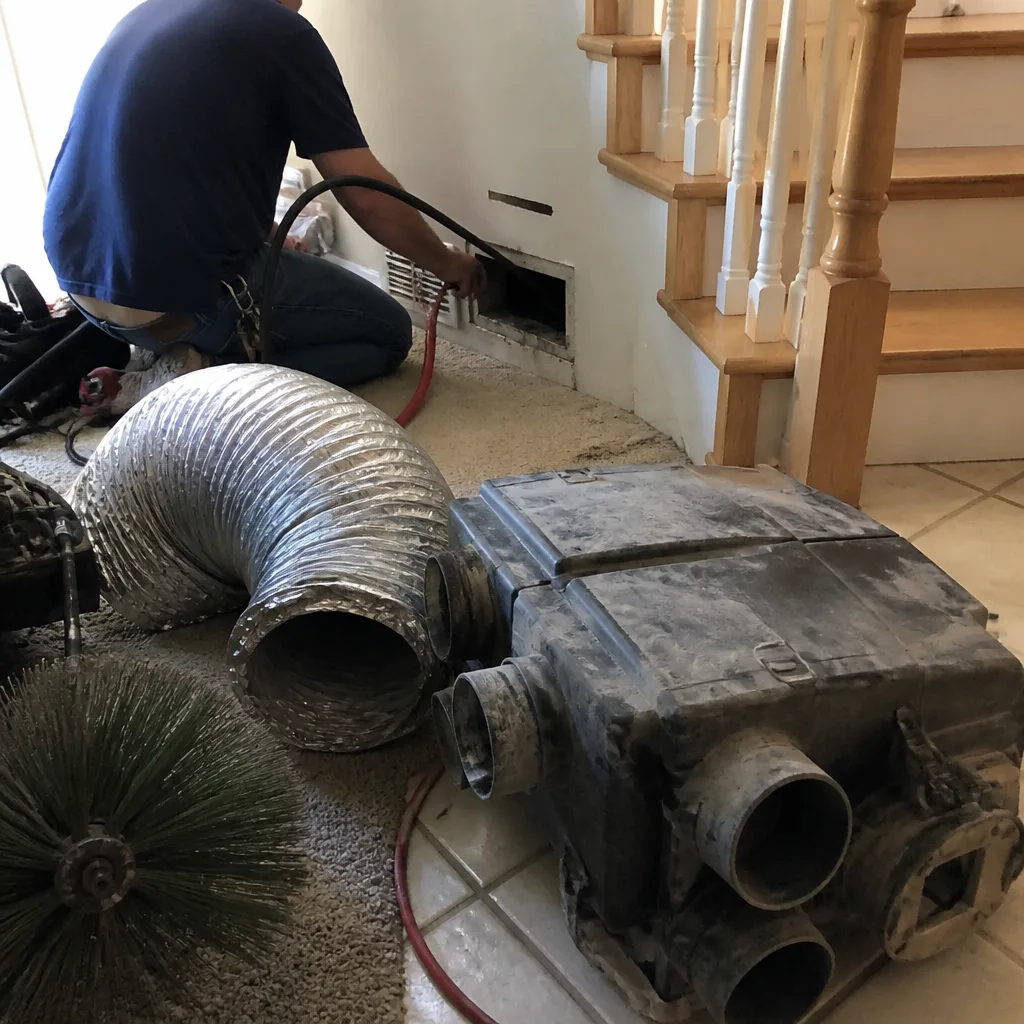 Before
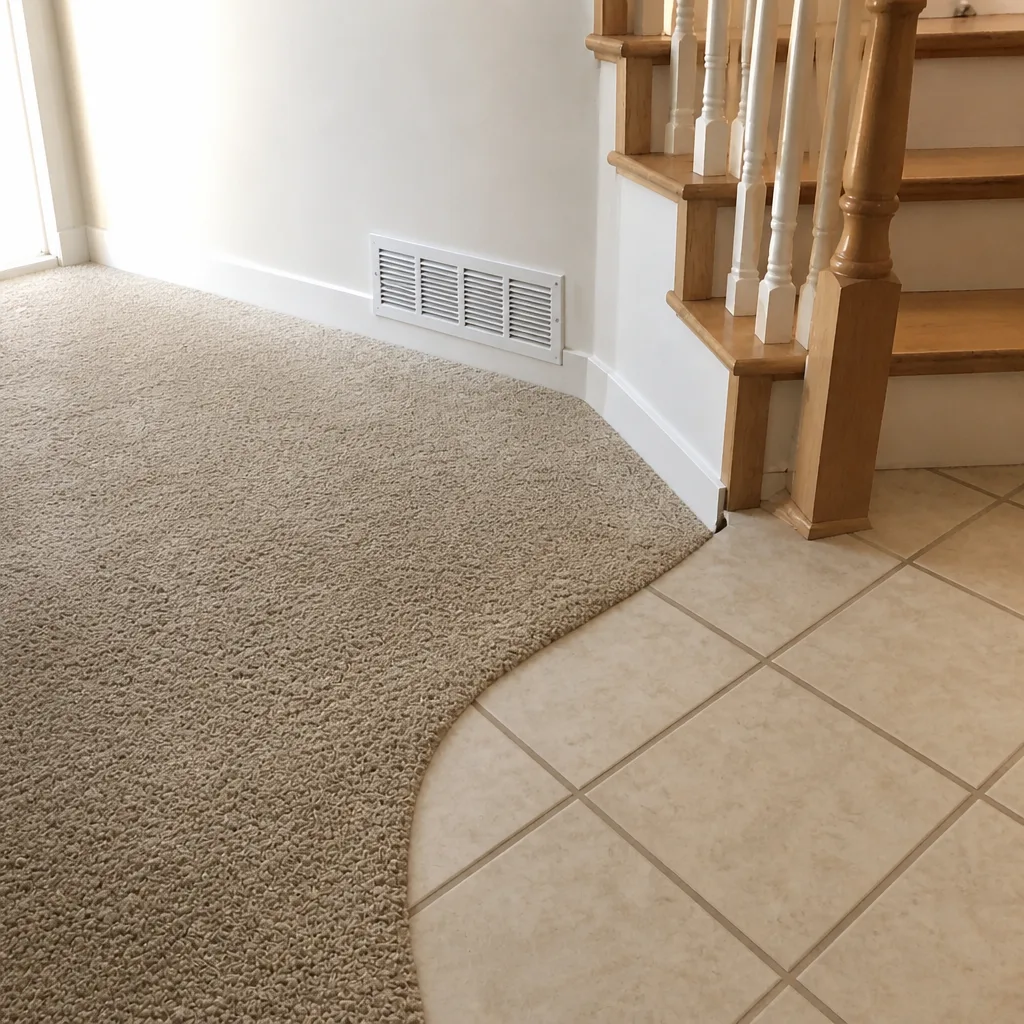 After
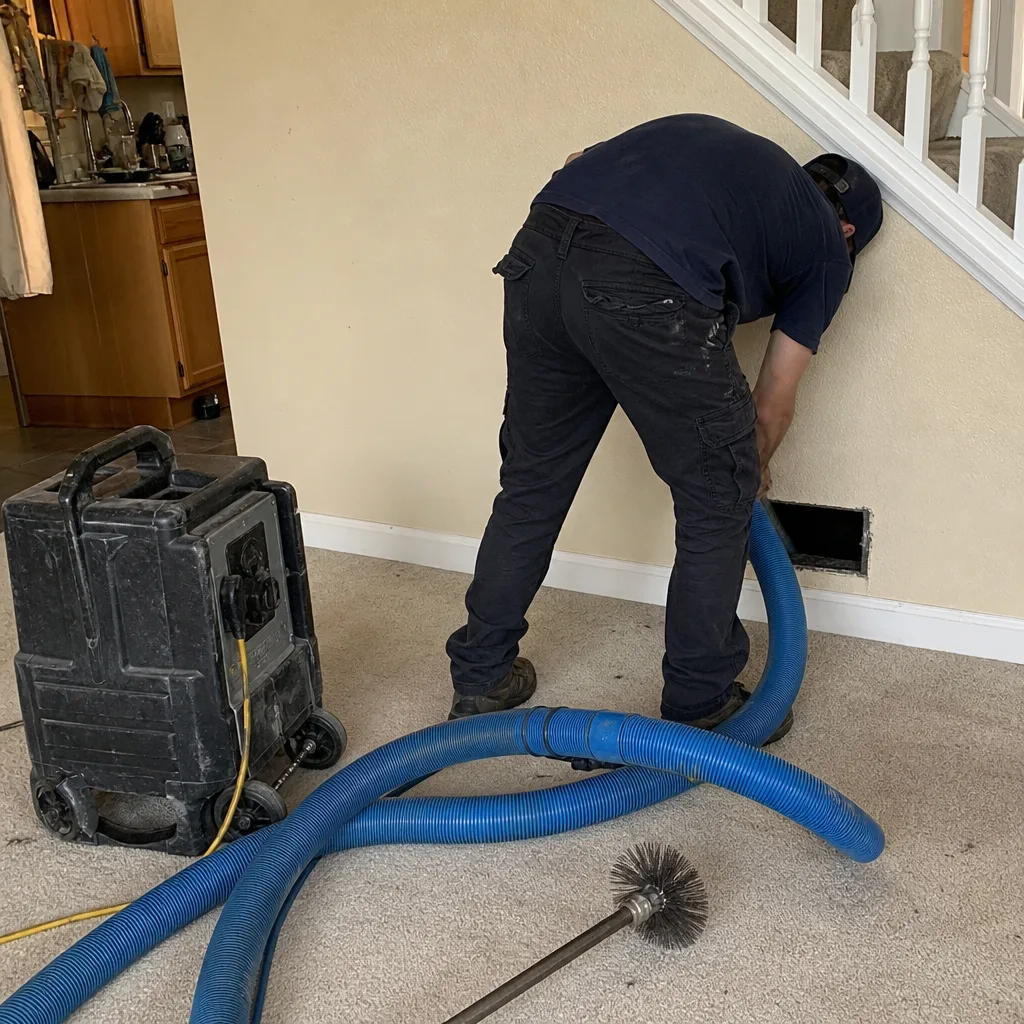 Before
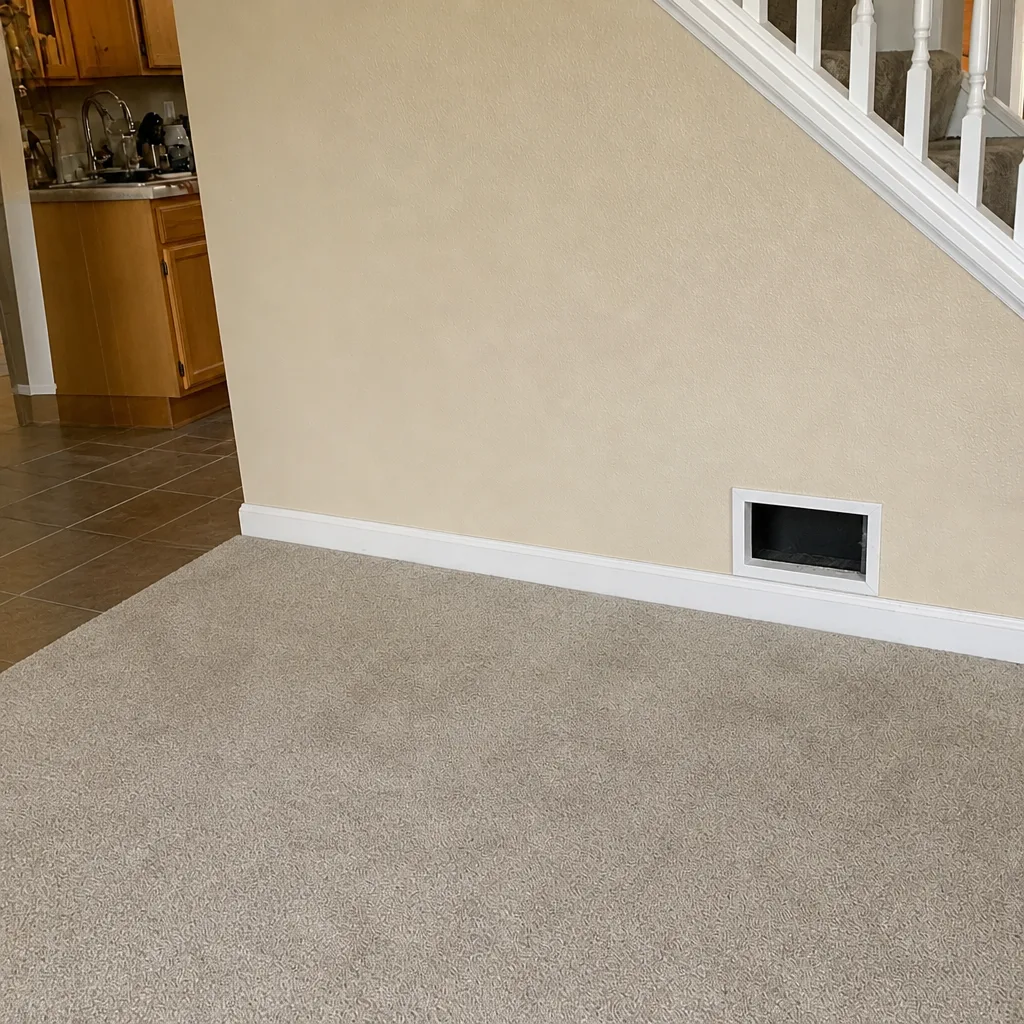 After
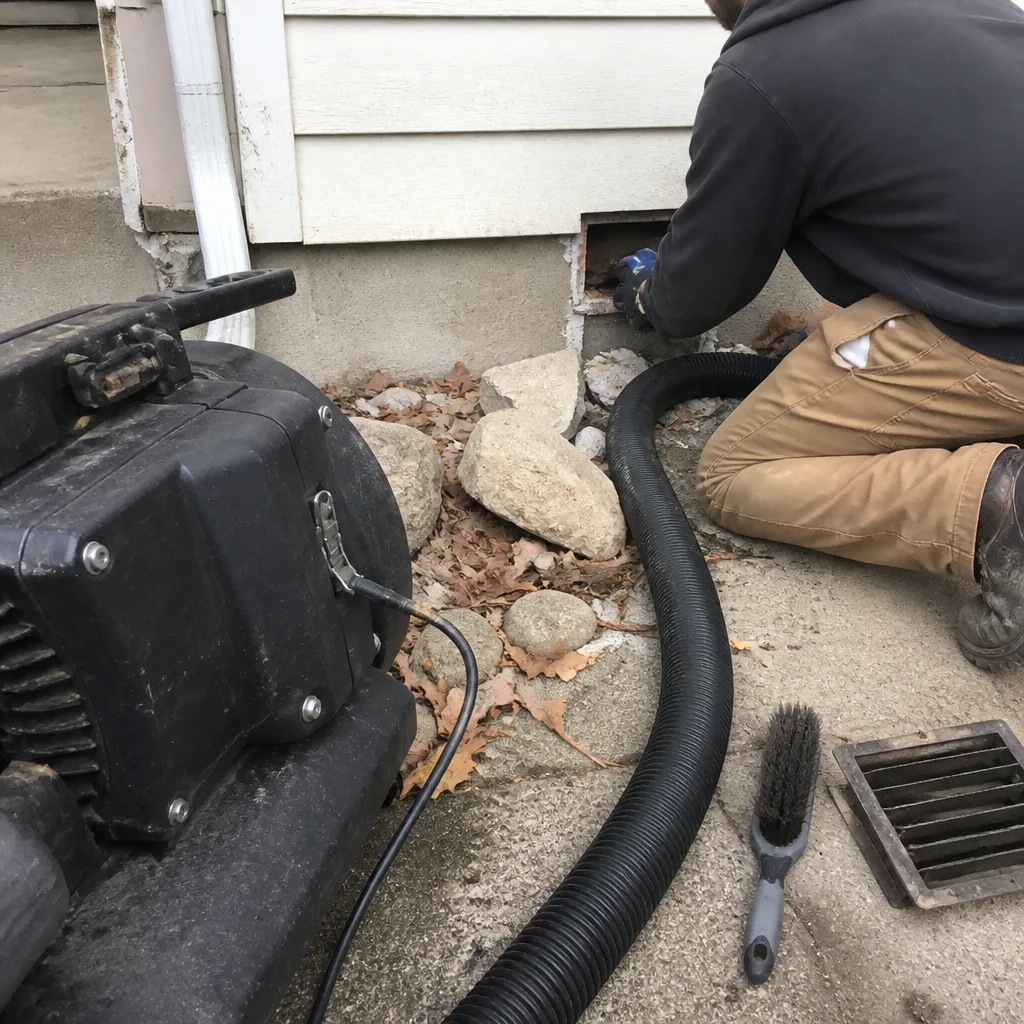 Before
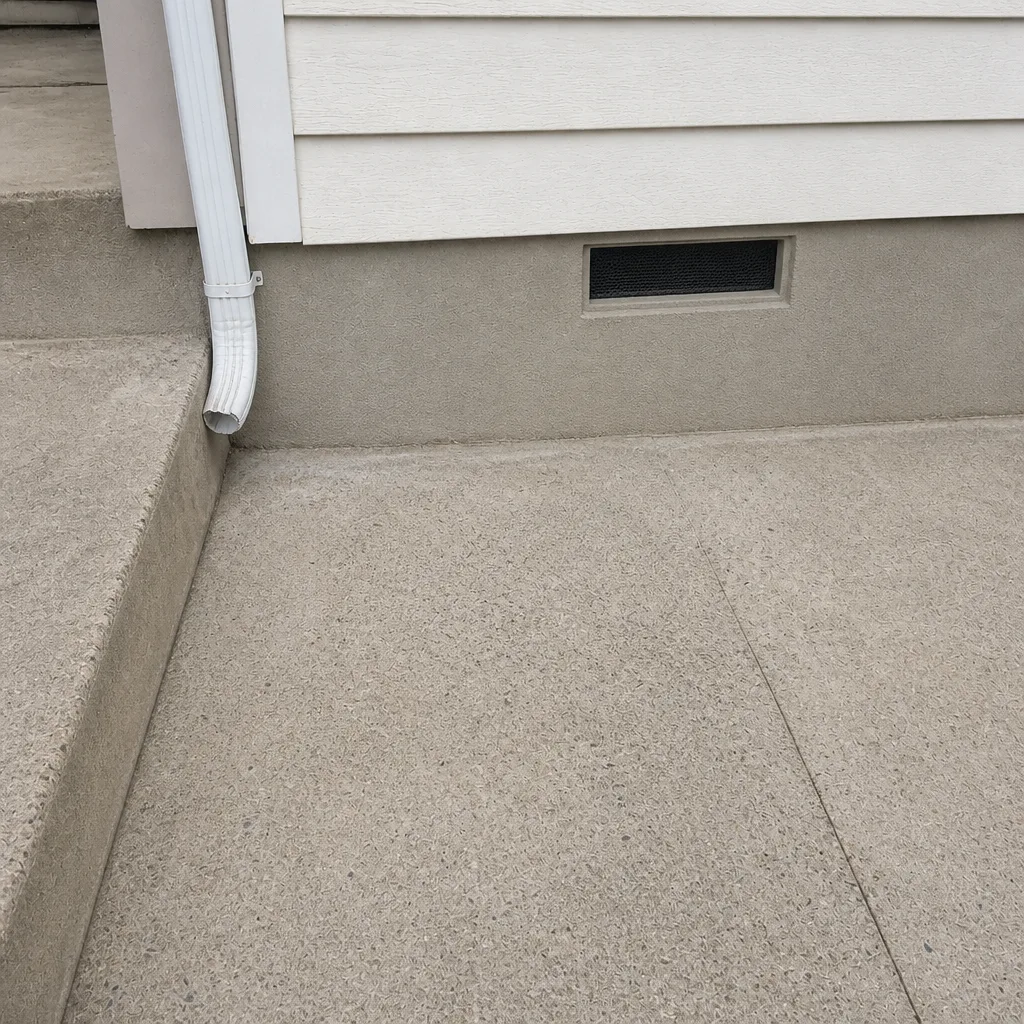 After
When to Call a Professional
Some signs warrant a call before your next scheduled seasonal service. If you notice a persistent musty or smoky smell that doesn’t fade after cleaning or filter replacement, that points to a duct-level issue a filter change can’t address. If winter utility bills climb with the same habits and the same thermostat setpoints, leakage or coil loading is the likely culprit. If a CO detector triggers or you notice soot around the burners or a flame that changes color, call before you run the system. If your dryer vent has never been cleaned or you notice clothes taking longer to dry, that’s a fire-hazard call, not a convenience one. If you’re approaching a fall clean-and-seal visit after a summer remodel, book it in late September to catch the dust while it’s settled and before heating season.
Murray Air Duct Cleaning Co offers free estimates in Murray. Call (833) 984-2965. We answer 24/7. Fast dispatch from 7am to 7pm, Sunday through Friday.
Frequently Asked Questions
For most Murray homes, once a year is a reasonable baseline, but timing the cleaning matters more than clocking the interval. Late September is the highest-value window for most homes because it clears the summer smoke and construction dust load before heating season. Homes with pets, heavy pollen exposure, or recent remodeling may benefit from a second targeted service in spring. Call (833) 984-2965 for an exact quote based on your home’s specific loading.
Price depends on the system, not the season, so there’s no discount month to chase. What changes with the season is what the technician finds and how much value the cleaning delivers. A September cleaning catches a system at its dirtiest and makes the heating season cleaner. A March cleaning costs the same but does less work per dollar. Call (833) 984-2965 for a seasonal timing recommendation.
Yes, and late summer is exactly when a smoke-loaded system benefits from cleaning, but the outdoor conditions matter for the timing of the service itself. Booking in the settled weeks after smoke events end (typically mid to late September in Murray) avoids re-loading a freshly cleaned system. If you need help planning the window, call (833) 984-2965.
Cleaning reduces coil dust loading and restores airflow, which translates into less runtime during peak heating. It doesn’t fix duct leakage on its own, so if bills are climbing despite a cleaning, Duct Repair & Sealing is the next step. Call (833) 984-2965 to schedule both inspections on one visit.
Yes, and for a safety reason, not a comfort one. A cracked heat exchanger can let combustion gases into the air stream, and that’s the kind of issue a filter change won’t reveal. Book the inspection before heating season, ideally alongside your fall duct cleaning. Call (833) 984-2965 for scheduling.
A professional duct cleaning should include before-and-after photos of your own ducts, not stock images. Ask for documentation of the system as it was found and as it was left. Our technicians provide that documentation as part of the service. Call (833) 984-2965 to schedule an estimate.
The Bottom Line
For Murray homes, the right duct cleaning schedule is a reading of the seasons, not a fixed annual date. Late summer leaves wildfire smoke; fall brings construction dust; winter concentrates inversion particulate; spring adds pollen. A cleaning placed in late September catches the system at its worst moment and prepares it for the heaviest months of operation. Pair that window with a pre-heating-season heat exchanger inspection, keep your filter MERV aligned to your equipment’s pressure drop rather than chasing higher numbers, and treat duct sealing as a separate seasonal service rather than an afterthought. That approach beats a generic annual loop every time.
Murray Air Duct Cleaning Co provides air duct cleaning, dryer vent cleaning, HVAC cleaning, Duct Repair & Sealing, and Air Quality & Sanitizing services. Our technicians have up to 13 years of experience, and we use professional-grade Rotobrush and Nikro systems alongside Abatement Technologies and Guardsman products for air quality treatment. Call (833) 984-2965 for a free estimate. We answer 24/7. Fast dispatch from 7am to 7pm, Sunday through Friday.
Written by the team at Murray Air Duct Cleaning Co.