
Last updated November 24, 2026
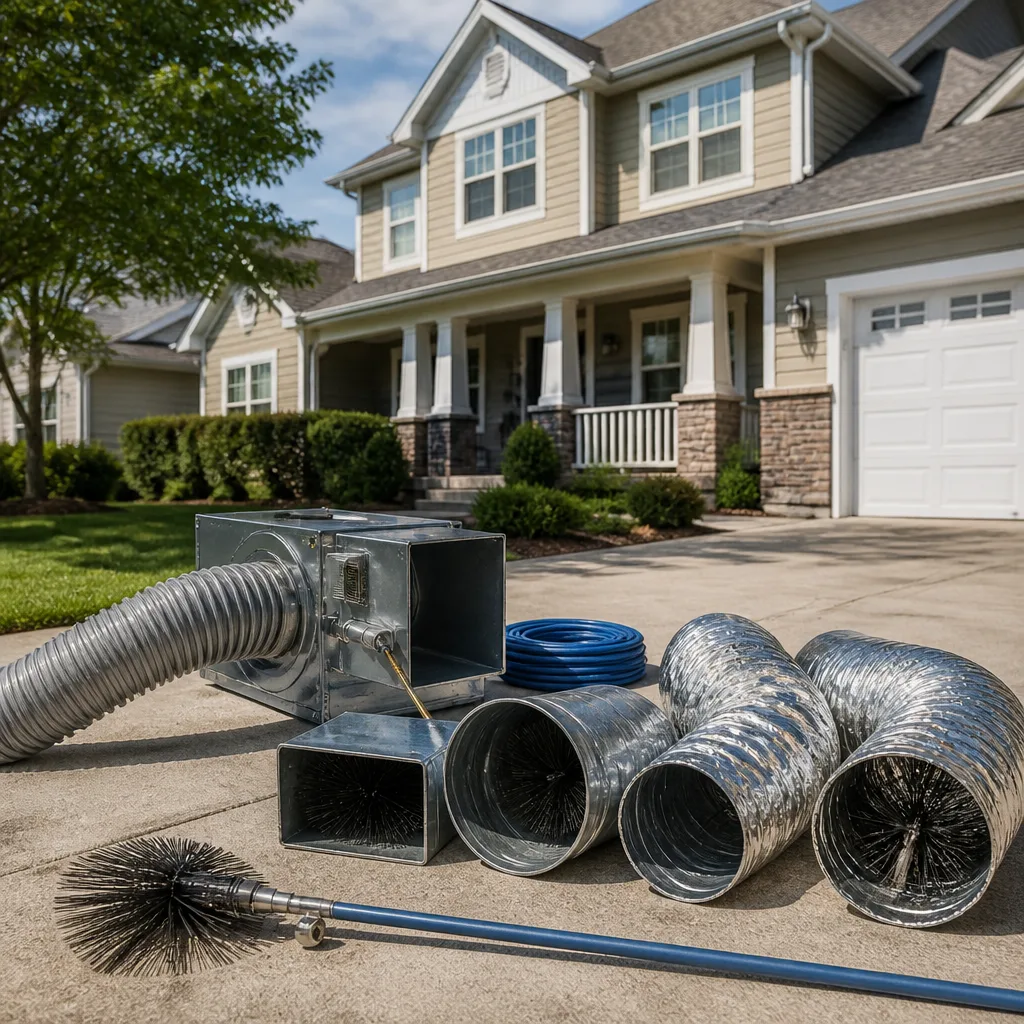 Whole-home duct cleaning
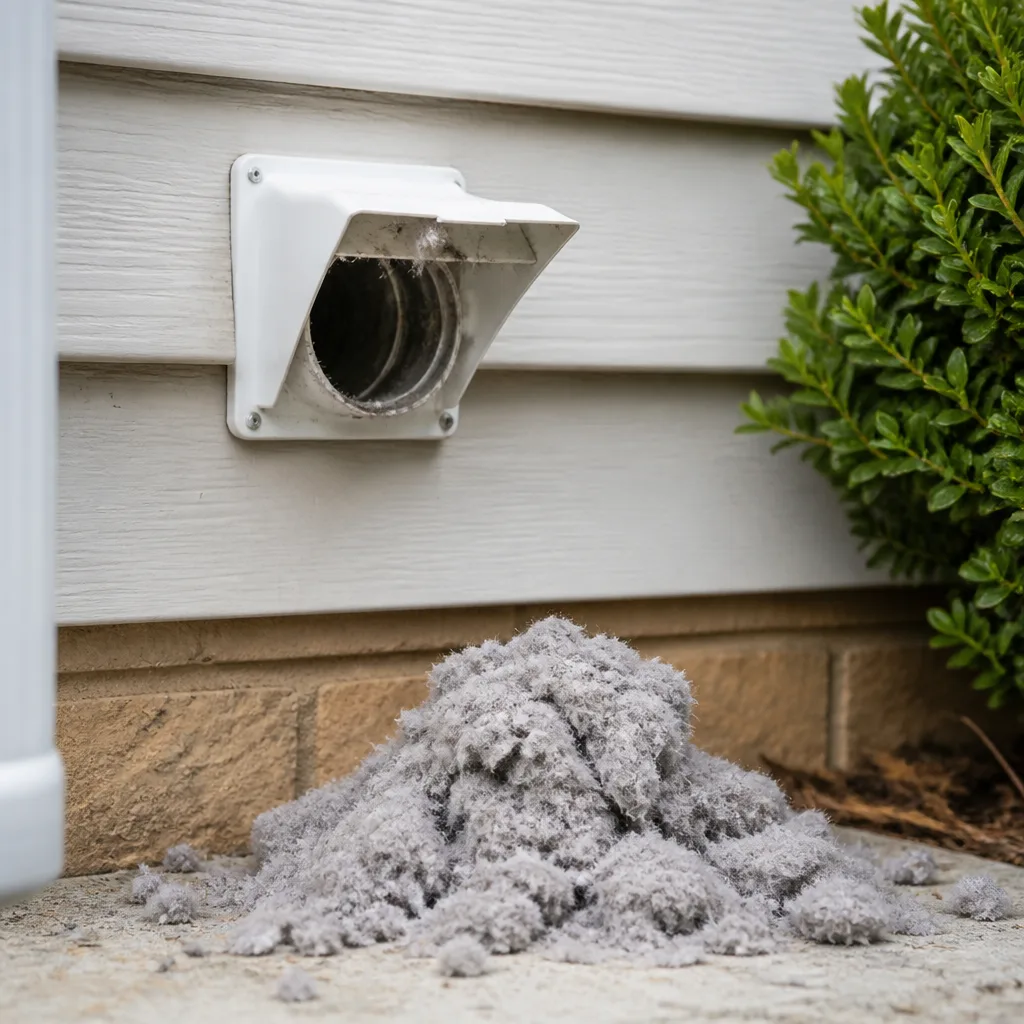 Dryer vent cleaning
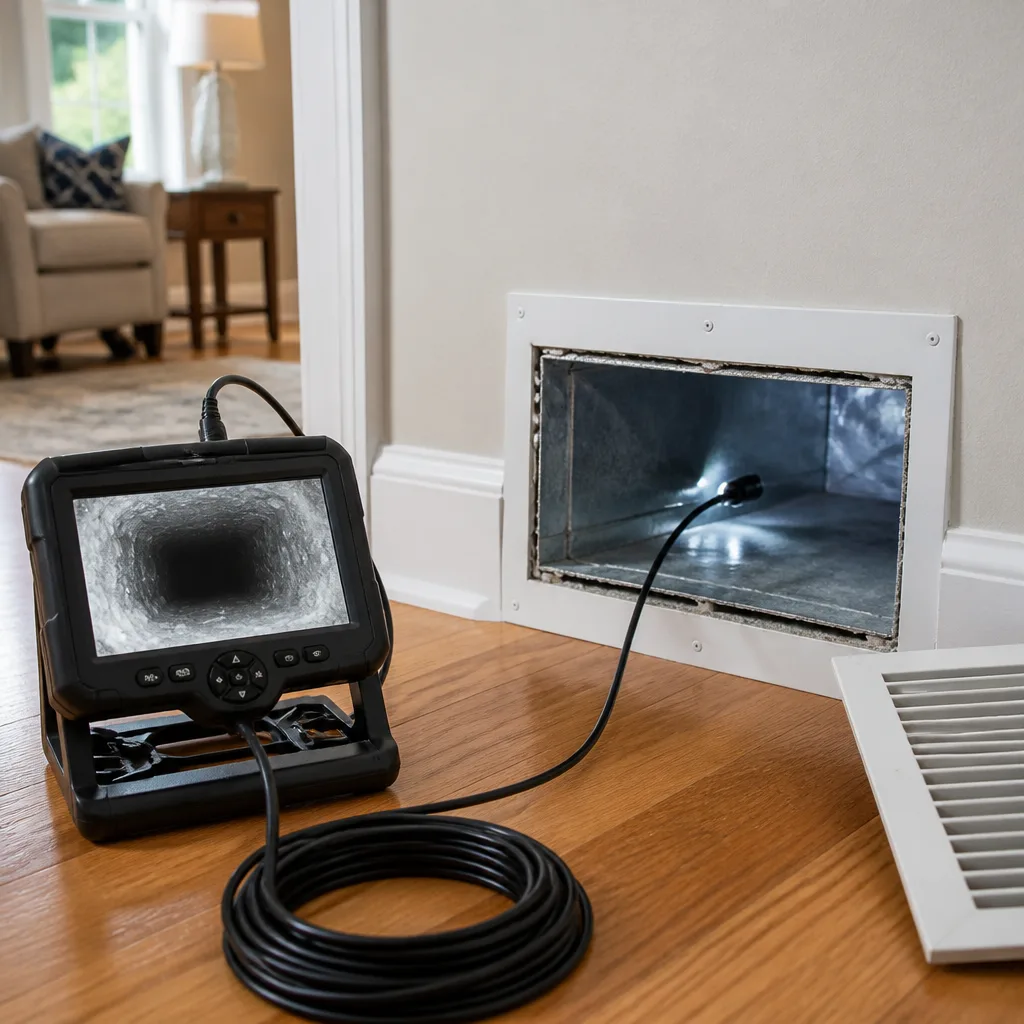 Camera inspection
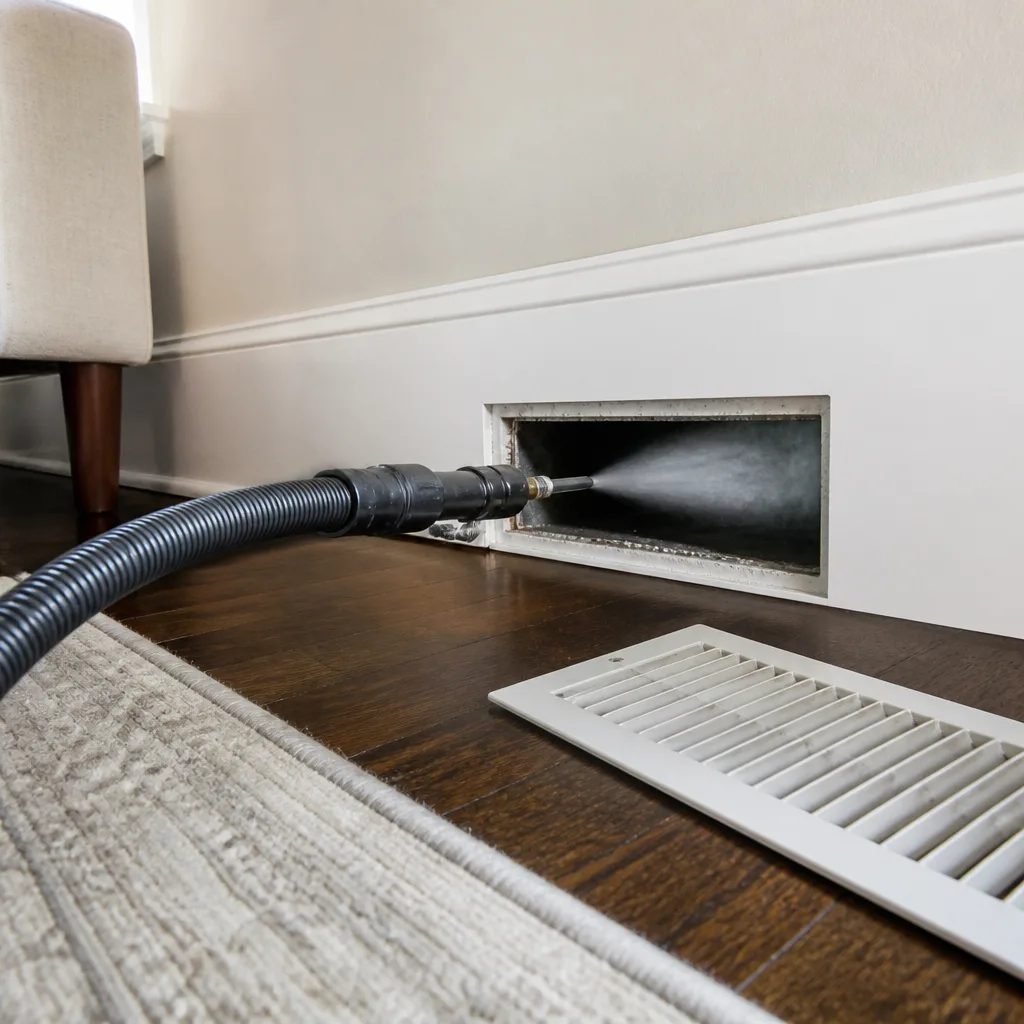 Sanitizing & deodorizing
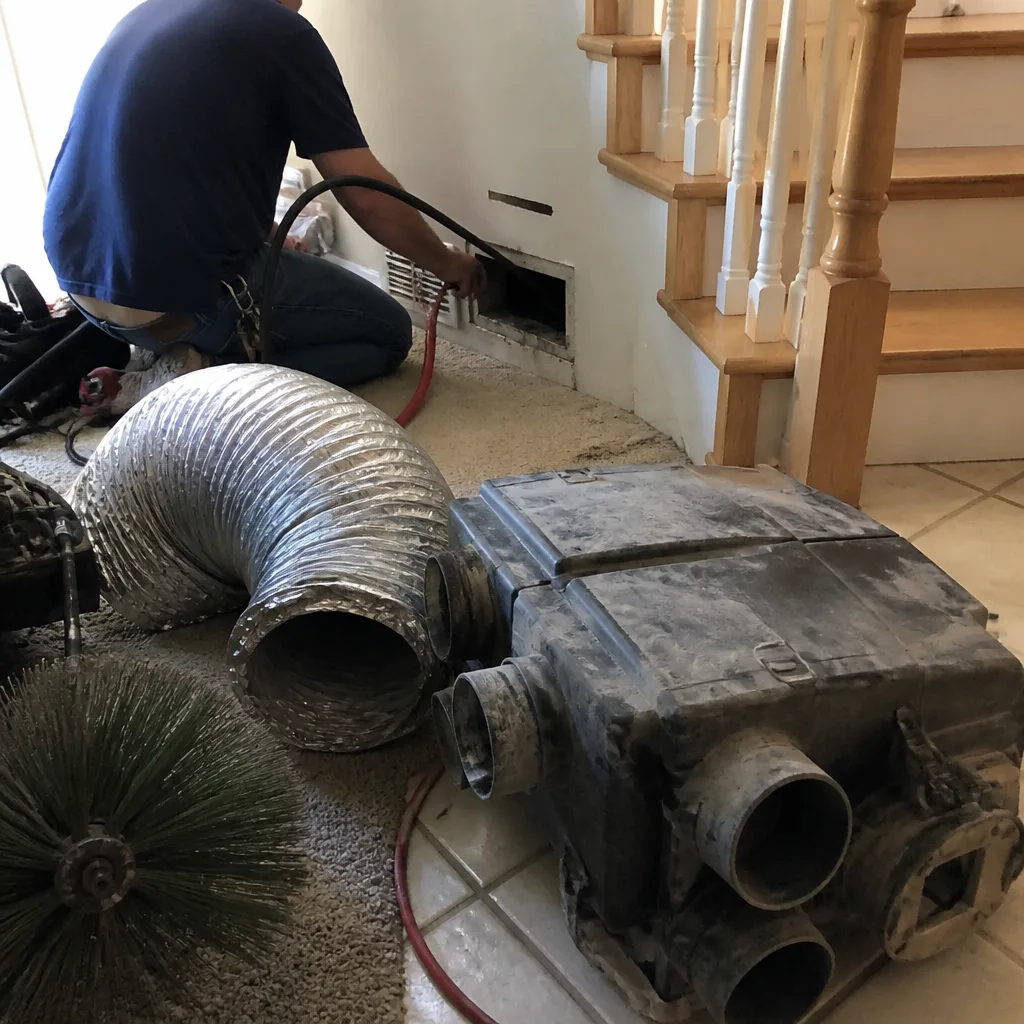
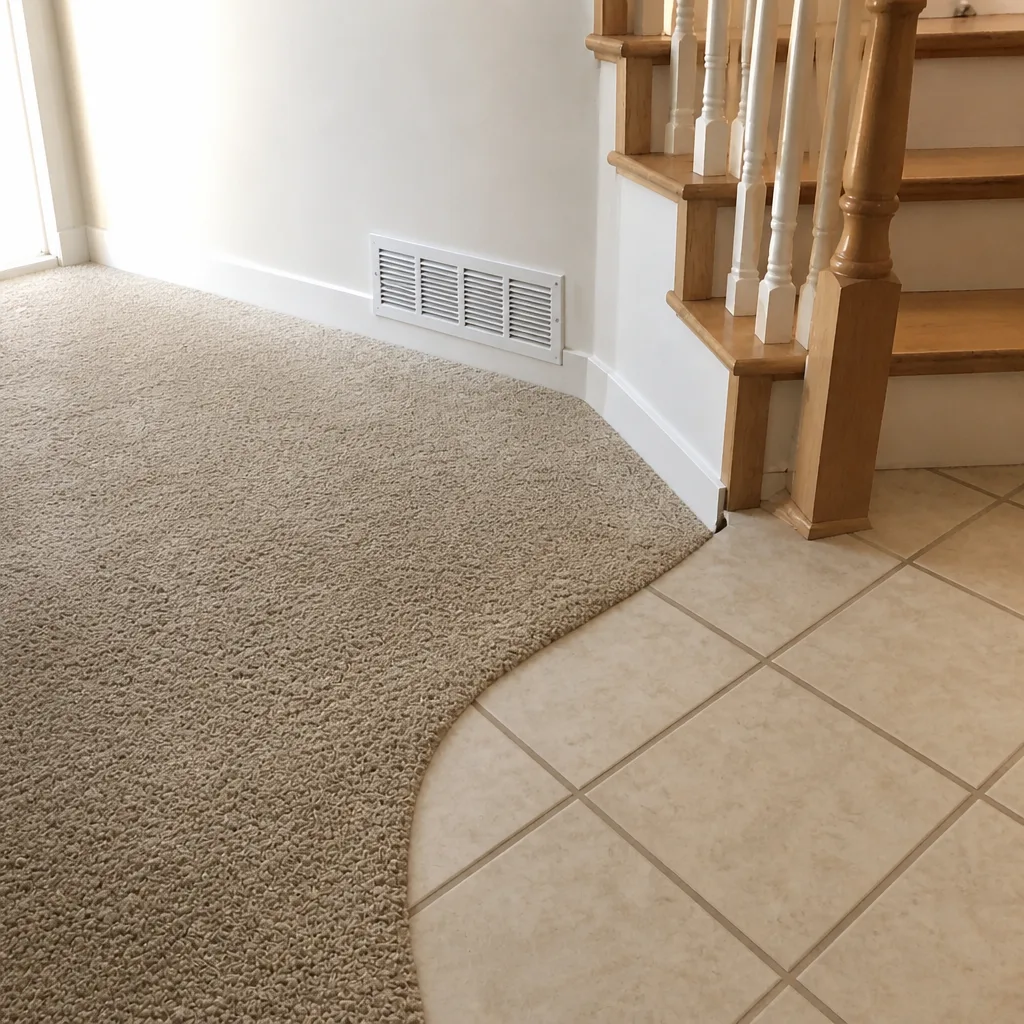
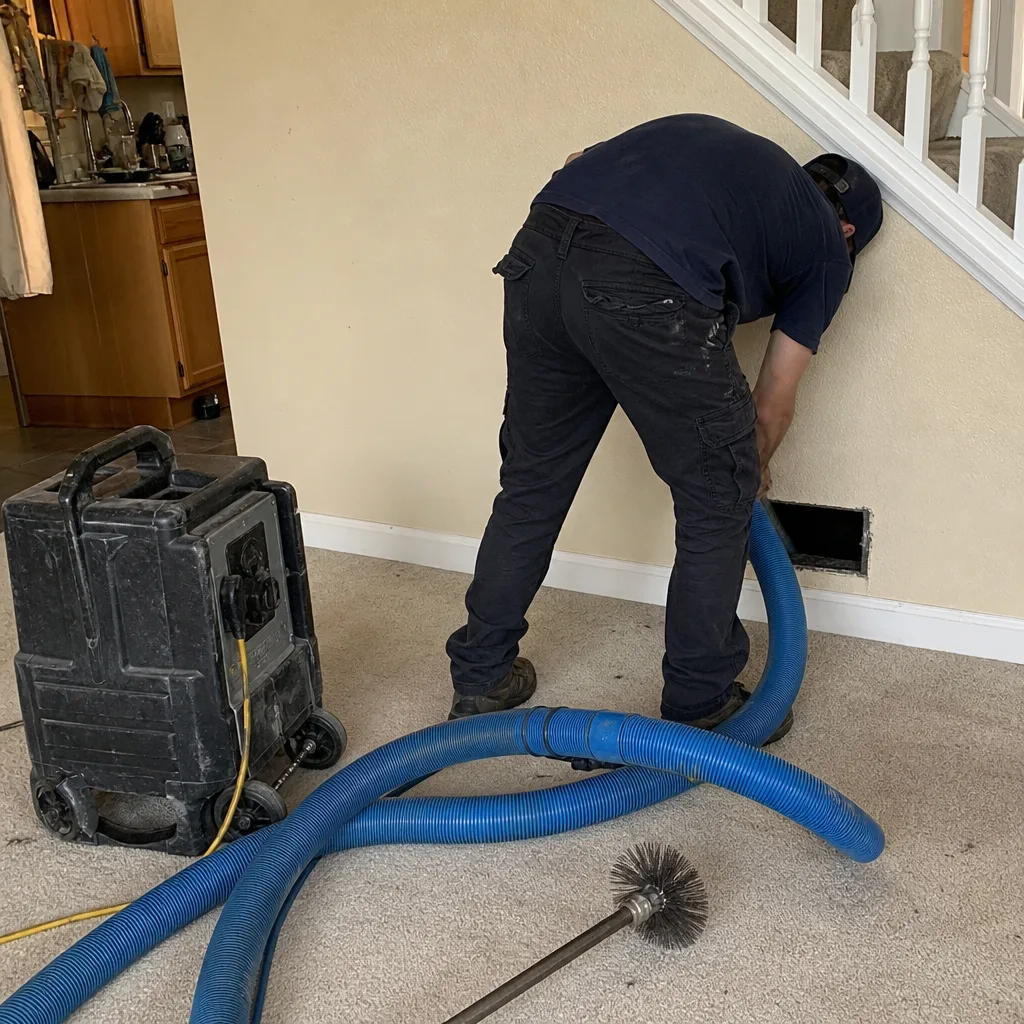
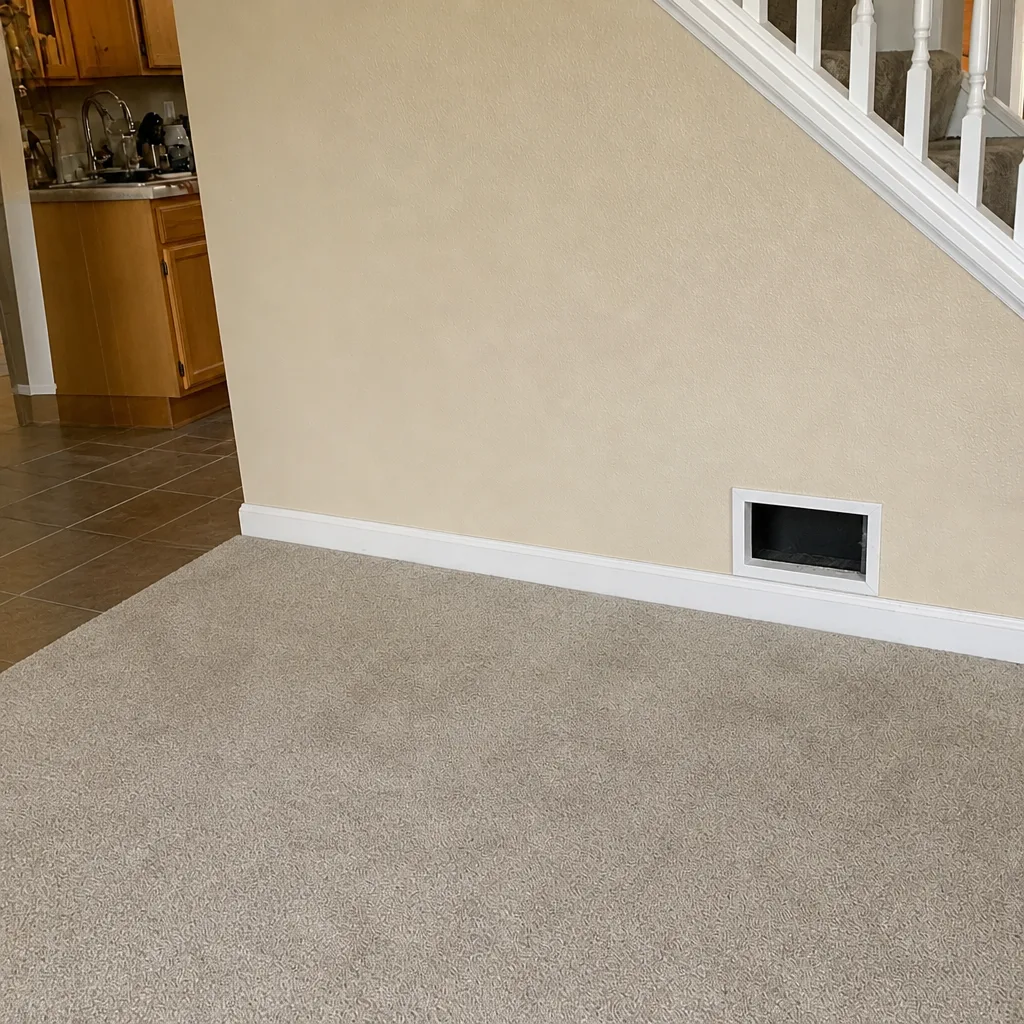
Whole-system duct and dryer vent check with before-and-after photos - you see exactly what came out of your vents
That "$99 whole-house special" is a bait ad - the real number appears once they are in your hallway, or the "clean" is a shop-vac at the register. We photograph the inside of your ducts before and after instead.
DIY vs Professional Air Duct Cleaning: The Murray Homeowner’s Decision Guide
Here’s the part most cleaning articles skip: a rented duct cleaning kit pulls roughly 150 CFM of suction. A truck-mounted professional unit runs 12,000 CFM or more. That’s not a modest gap you close with better technique or extra patience. It’s physics, and it’s the entire reason this decision matters. You can clean the surface of your system with consumer tools, and you can do real harm to it with those same tools if you disturb debris you can’t extract. This guide draws a clean line between what a Murray homeowner can legitimately handle and where the equipment ceiling makes DIY a false economy. We’ll walk through the tools, the honest costs, the diagnostic value of a pro visit, and the specific conditions along the Wasatch Front that change the answer.
Styles & brands we work with
- Whole-home duct cleaning
- Dryer vent cleaning
- Camera inspection
- Sanitizing & deodorizing
Quick Answer
DIY duct cleaning works for surface-level register cleaning, dryer vent clearing, and visual inspection. Professional cleaning is necessary for embedded debris in trunk lines, biological contamination, and post-renovation particulate. The dividing line is suction power: consumer equipment tops out around 150 CFM while professional truck-mounted systems exceed 12,000 CFM, and no amount of technique closes that gap. If you’re dealing with allergies, musty odors, or recent construction dust in a Murray home, the professional route produces a provable result the DIY route cannot. Call (833) 984-2965 for a free estimate to find out which side of that line your system falls on.
Table of Contents
- Where the Equipment Ceiling Actually Sits
- What a Homeowner Can Legitimately Accomplish
- What Requires Professional Equipment
- When DIY Makes the Professional Job Harder and Pricier
- An Honest Cost Comparison
- The Diagnostic Value Only a Pro Visit Provides
- What Makes Murray Ductwork Different
- Common Mistakes to Avoid
- When to Call a Professional
- Frequently Asked Questions
- The Bottom Line
Where the Equipment Ceiling Actually Sits
Airflow is the whole ballgame in duct cleaning. Debris in a duct isn’t sitting loose on a shelf waiting to be lifted. It’s adhered, compacted, and often bound to moisture or oil residue on the duct wall. To move it, you need enough negative pressure to break that bond and enough velocity to carry the material all the way back to a collection point. Consumer machines cannot generate either reliably across a full residential system.
Here’s the practical breakdown of what we’re talking about when we say professional-grade equipment:
- Rotobrush systems – purpose-built rotary brush and vacuum combinations designed for residential duct interiors, with agitation that breaks debris free from the duct wall before extraction.
- Nikro equipment – commercial vacuum and air-handling systems recognized across the HVAC and remediation trades for high-volume extraction.
- Abatement Technologies air scrubbing – the same standard applied in professional mold and contaminant abatement work, used for sanitizing treatments.
A shop vac attached to a floor register pulls air from the room around the register just as readily as from the duct. That’s the failing quietly built into every consumer approach. The machine creates the illusion of suction while moving almost no air through the trunk lines where the contamination actually lives. Professional units seal to the system and pull at volume, which is why the CFM gap matters more than the machine’s label. Our technicians have up to 13 years of experience with these systems, and the difference between a surface pass and a properly extracted system is visible the moment you open a trunk line afterward.
What a Homeowner Can Legitimately Accomplish
We’re not going to tell you that every duct cleaning task requires a professional, because that’s not true, and Murray homeowners deserve a straight answer. There is real value in a few consumer-level tasks. What follows is the honest inventory of what you can do yourself with reasonable confidence.
- Register and grille cleaning. Removing and washing the supply and return grilles is a legitimate task. Dust accumulates on the face of the grille and in the first few inches of the boot. Warm water, a soft brush, and a little dish soap handle it. Let them dry completely before reinstalling.
- Dryer vent clearing. This one is worth real attention. A clogged dryer vent is a documented residential fire hazard, not just an efficiency problem. Disconnecting the vent hose behind the dryer and clearing the accessible run to the exterior wall is a task a careful homeowner can do. If the run is long, full of elbows, or terminates on a roof, that’s a professional job.
- Visual inspection. A flashlight and a phone camera can tell you a lot. Look inside registers with the grille off. Watch for visible dust buildup, pest activity, moisture staining, or gaps at the boot connection. Photograph what you find so you have a baseline.
- Filter changes. This is the highest-return maintenance task available to any homeowner. A clean filter protects the blower and keeps downstream dust to a minimum. Understand whether filtration is handled by air duct cleaning alone or whether your system needs a better filter and humidity control working together (Honeywell and Aprilaire product expertise is what a technician brings to that conversation).
That’s the list. Everything else – the trunk lines, the plenum, the interior of the air handler, the deep recesses of the return – sits above the equipment ceiling for consumer tools.
What Requires Professional Equipment
Three categories of contamination reliably defeat consumer tools, and Murray homes present all three.
Deeply embedded debris in trunk lines. Trunk lines carry the highest volume of air in any residential system, which means they also accumulate the most material. Dust, pet dander, hair, construction particulate, and whatever the return pulled in over years compacts against the duct walls. A consumer machine cannot generate the pressure to break that layer free, let alone carry it out. Rotary agitation from a Rotobrush system paired with high-volume Nikro extraction is what moves compacted debris.
Biological contamination. Mold, mildew, and bacterial growth inside ductwork happen when moisture accumulates faster than it dries – a real concern in the Wasatch Front’s dry summers with evaporative cooling and in any home with a humidity imbalance. A surface wipe does nothing to a colony bound to the duct wall, and improper cleaning can aerosolize spores through the whole house. This is where Abatement Technologies air scrubbing equipment earns its place. It’s the same standard applied in professional mold and contaminant abatement work, and it’s not something a homeowner can approximate with a bottle of spray.
Post-renovation particulate. Drywall dust, sawdust, fiberglass fibers, and paint overspray are nasty because the fine fraction bypasses the filter. After a kitchen remodel or a basement finish, the return lines pull construction particulate into the system and it settles where you’ll never see it. Cleaning it properly means sealing the system, running negative pressure, and extracting with equipment that filters the exhaust.
If your situation falls into any of these three, it’s a professional job. Our HVAC cleaning work regularly uncovers contamination in systems where the homeowner did everything right – the problem was simply never at the surface.
When DIY Makes the Professional Job Harder and Pricier
Not every DIY attempt is neutral. Some actively worsen the situation, and we’ve seen the aftermath often enough to warn Murray homeowners directly. The mistake that hurts most is disturbing debris without extracting it.
Running a consumer vacuum over a register creates airflow that lifts loose material into the airstream but cannot pull it out of the system. That debris redistributes downstream – into the plenum, into the air handler, sometimes back through the supply side into the rooms. What was a maintenance task becomes a whole-system extraction job because the contamination is now spread across surfaces that were previously clean.
The second costly mistake is damage to flex duct. Flexible ductwork is common in attics and crawlspaces around Murray, and it’s fragile in ways rigid duct isn’t. Aggressive brush insertion, a shop vac nozzle pushed too hard, or a homeowner leaning on a run while maneuvering can collapse the inner liner or tear the outer jacket. A tear in the outer jacket is a duct repair, not a cleaning task – and damaged flex duct degrades system performance until it’s fixed. We regularly pair cleaning with Murray Air Duct Cleaning Co duct repair and sealing work specifically because damaged ductwork found during cleaning needs addressing, not just reporting.
One more: introducing moisture. A damp cloth in a duct seems harmless. A damp cloth left behind creates a moisture pocket that becomes a growth site. Any moisture introduced into the system has to dry completely, and in a sealed duct run it may not.
An Honest Cost Comparison
Here’s where most DIY-versus-professional comparisons fall apart, because they only count the equipment rental and ignore everything else. Let’s be honest about both sides. The DIY column includes time, the probability of incomplete results, and the risk of damage that turns a cleaning into a repair. The professional column includes diagnostics and, critically, a documented result you can verify. All professional pricing below is estimated per job and set by the written estimate – the ranges are typical for the Murray area and can vary by system size and layout.
- Equipment rental (consumer): typical rental rates in the area run roughly $40-$80 for a weekend, plus the cost of a shop vac, brushes, and a filter
- Homeowner time: four to six hours for a serious DIY attempt, with uncertain coverage of the trunk lines
- Probability of a complete result: low on the trunk lines, moderate on the registers, essentially zero on biological contamination
- Risk of damage: real if flex duct is involved or if moisture is introduced
- Professional air duct cleaning (estimated): ranges typical for a Murray home depend on system size, number of returns, and contamination level
- Diagnostic report: included with a professional visit – camera footage, system assessment, and photos of before and after
The honest read is this: if you need your registers wiped and your dryer vent cleared, DIY is a perfectly reasonable choice and the cost comparison favors it. If you need the trunk lines cleaned, contamination extracted, or the system evaluated for a real problem, the professional route is the only one that produces a completed result. Our dryer vent cleaning work is a good example – it addresses the fire-hazard side of duct maintenance that a DIY attempt can address partially but can leave the hard-to-reach run untouched.
The Diagnostic Value Only a Pro Visit Provides
Cleaning is a service. Diagnosis is a deliverable, and it’s the part DIY cannot replicate no matter how much effort goes into the attempt. When we open a system, we’re looking at more than dust.
- Camera footage of the trunk lines and plenum lets you see what was actually there and what was actually removed.
- Pressure testing reveals leaks in the duct system that are costing you energy and pulling unfiltered air into the supply side. Sealing those is often where the efficiency gain lives.
- System-condition assessment covers the air handler, blower, coils, and filter sizing – the components that determine whether clean ducts stay clean.
- Filter and humidity evaluation tells you whether your current setup is matched to your home, and whether a filtration or humidity control upgrade (this is where Honeywell and Aprilaire product knowledge matters) would keep the system cleaner longer.
That last point is the one Murray homeowners underrate. A cleaning resets the system. A diagnostic tells you why it needed resetting in the first place, and what to change so it doesn’t happen again. Cleaning without diagnosis is a cycle you repeat; cleaning with diagnosis is a one-time fix.
What Makes Murray Ductwork Different
Local conditions do change this answer, and Murray’s have a specific character. The valley’s dry summers mean evaporative coolers and the moisture they introduce are part of many homes’ cooling story, and any system that has seen that moisture needs a closer look than a simple dry-climate system would. Winter inversion days in the Salt Lake Valley concentrate particulate at ground level, and a system pulling filtered outdoor air through a compromised or dust-loaded return will pull that particulate in with it. Homes near the Intermountain Medical Center, along Vine Street, in Murray Park, or up toward Little Cottonwood Creek sit in slightly different dust and pollen environments, and a technician who works these neighborhoods knows which runs accumulate material fastest.
Housing stock matters too. Older Murray homes have rigid galvanized trunk lines that clean well with rotary equipment. Newer construction and additions often use flex duct in the attic or crawl. The right technique depends on what’s actually in the house, and that’s a determination best made on site. Our dryer vent cleaning guide is worth a read for the same reason – the fire-danger side of duct maintenance is one Murray homeowners tend to underestimate until they see the lint.
Common Mistakes to Avoid
- Renting a consumer “duct cleaning” kit and expecting trunk-line results. These machines are useful surface tools, not extraction systems. Expect register-level cleaning, not a whole-system reset.
- Running a shop vac over registers without sealing. Most of the suction comes from room air around the grille, not the duct. You move almost no air through the trunk lines and may redistribute debris.
- Pushing aggressive brushes into flex duct. Flex duct tears more easily than anything else in the system. Damage turns a cleaning task into a duct repair job.
- Ignoring the dryer vent because it’s hidden. A clogged dryer vent is a documented fire hazard. Check it, and have it professionally cleared if the run is long or full of elbows.
- Cleaning without changing the filter afterward. A fresh filter after cleaning protects the blower and keeps downstream dust minimal. Skip it and you undo part of the work.
- Assuming a musty odor is a cleaning problem. Odor often points to moisture or biological growth that requires Abatement Technologies-grade scrubbing and sanitizing, not a surface pass.
- Treating cleaning as a one-time event. Regular filter changes, an annual dryer vent inspection, and periodic professional cleaning keep the system ahead of contamination. Duct cleaning isn’t a checklist item you cross off and forget.
When to Call a Professional
Call a professional when the problem is above the equipment ceiling. That means visible mold or musty odor from the registers, a recent renovation that pushed drywall dust into the system, allergy flare-ups you suspect are duct-related, energy bills that climbed without explanation, or a dryer vent you haven’t checked. It also means any situation where you need documentation – a real estate transaction, an insurance matter, or simply the proof that the work was actually done. And it means any time you’ve attempted a DIY cleaning and want a qualified second look.
Murray Air Duct Cleaning Co offers free estimates in Murray – call (833) 984-2965 to schedule one. We answer 24/7. Fast dispatch from 7am to 7pm, Sunday through Friday. The estimate is free, the price is set per job by the written estimate, and you’ll see before-and-after photos of your own system so you know exactly what changed.
Frequently Asked Questions
Professional air duct cleaning in Murray is priced per job by the written estimate, and typical ranges vary with system size, number of returns, and contamination level. The estimate is free, and you’ll know the whole-system price before any work begins. Call (833) 984-2965 for an exact quote – estimates are free.
DIY is enough for register and grille cleaning, filter changes, visual inspection, and clearing a short dryer vent run. It is not enough for trunk lines, embedded debris, biological contamination, or post-renovation particulate. The dividing line is the CFM gap between consumer and professional equipment. Call (833) 984-2965 for an exact quote – estimates are free.
Cheap quotes usually reflect a per-vent price with a limited scope, or a consumer-grade machine in a professional-looking truck. A real whole-system cleaning involves rotary agitation, high-volume extraction, and a documented before-and-after. If a quote comes in far below what the equipment and process actually require, the scope is what’s missing. Call (833) 984-2965 for an exact quote – estimates are free.
Ask for photos and video footage of your own system before and after the work. A professional visit includes camera inspection and system-condition assessment, so you can see what was removed, not just take a technician’s word for it. Call (833) 984-2965 for an exact quote – estimates are free.
Yes. Aggressive brushing or a shop vac nozzle in flex duct can tear the inner liner or collapse it, turning a cleaning into a duct repair. Disturbed debris that cannot be extracted also redistributes into parts of the system that were previously clean. Call (833) 984-2965 for an exact quote – estimates are free.
Most Murray homes do well with professional cleaning every few years, with filter changes and dryer vent checks more frequently. Homes with pets, recent renovations, allergy concerns, or a history of moisture issues need it sooner. The right interval becomes obvious after a diagnostic visit. Call (833) 984-2965 for an exact quote – estimates are free.
The Bottom Line
DIY duct maintenance has a real and useful place: register cleaning, filter changes, visual inspection, and accessible dryer vent clearing are all worth doing yourself. Beyond that, the equipment ceiling is too low to produce a completed result. Consumer tools generate a fraction of the airflow needed to move embedded debris, address biological contamination, or extract post-renovation particulate. Treat this as a decision about scope, not effort – if your situation sits above the ceiling, professional cleaning is the only route that produces a provable outcome, and a diagnostic visit tells you exactly where your system stands. For everything below the ceiling, do it yourself and do it well. For everything above, bring in the equipment that can actually move the air.
Call (833) 984-2965 for a free estimate. We answer 24/7. Fast dispatch from 7am to 7pm, Sunday through Friday. Murray Air Duct Cleaning Co covers air duct cleaning, dryer vent cleaning, HVAC cleaning, duct repair and sealing, and air quality and sanitizing, so a single visit can address the full system rather than one piece of it.
Written by the team at Murray Air Duct Cleaning Co.
See the difference
 Before
 After
 Before
 After
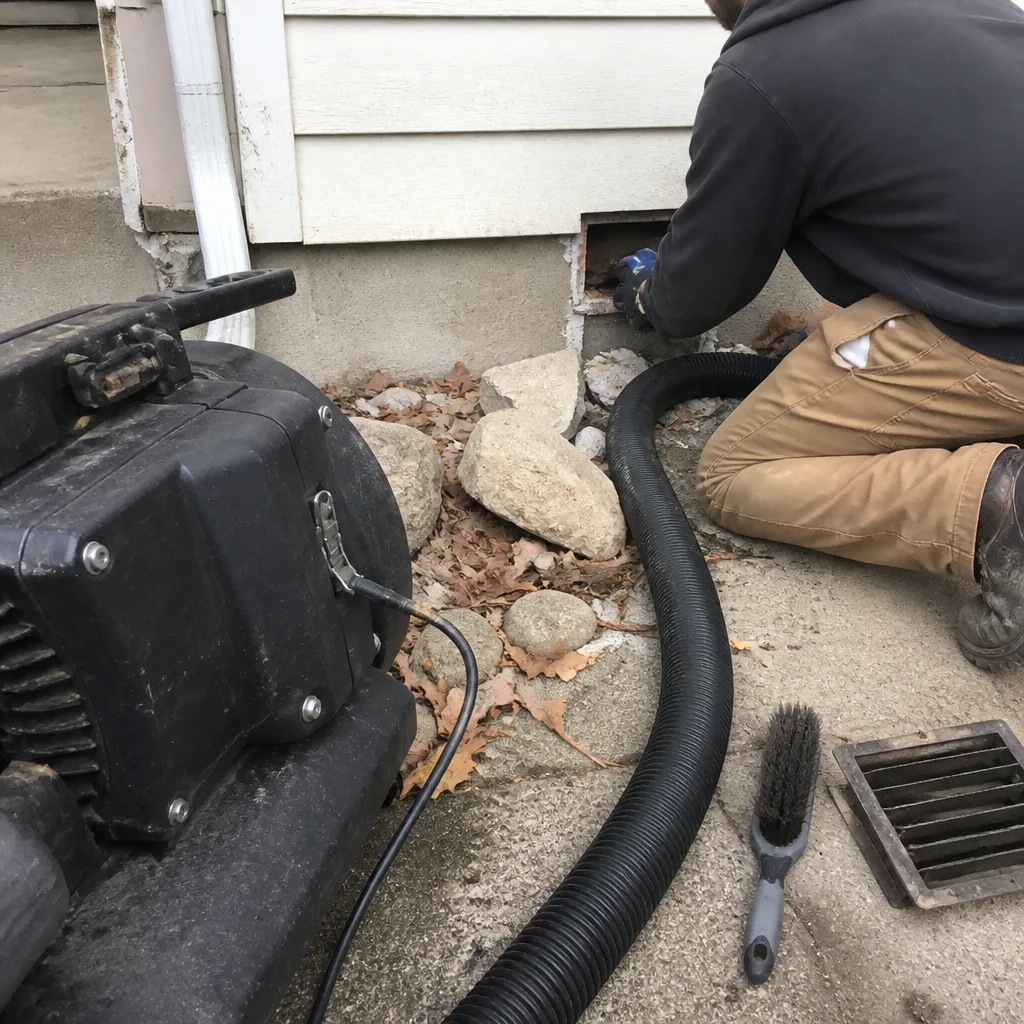 Before
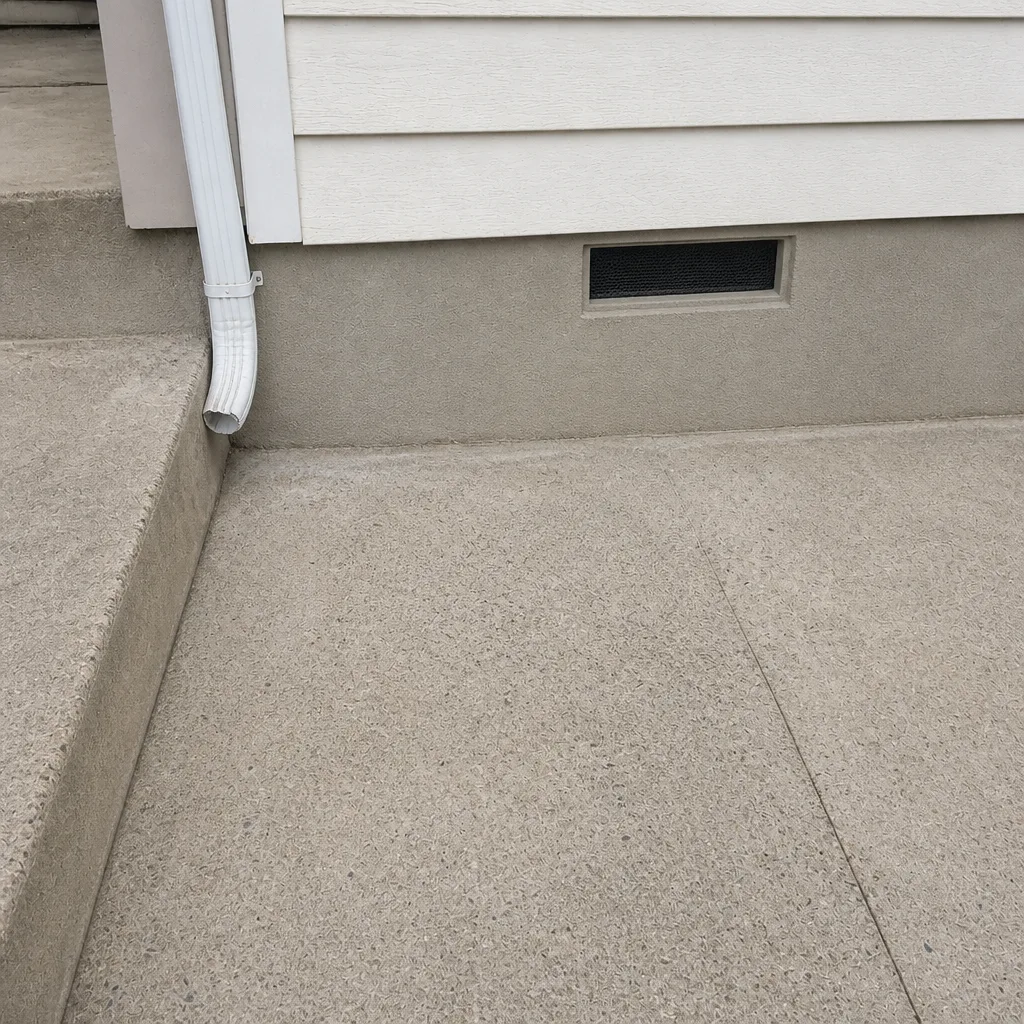 After